
The Hungarian language: how to pronounce it, 30 useful words and phrases, reading signs, and where English is spoken
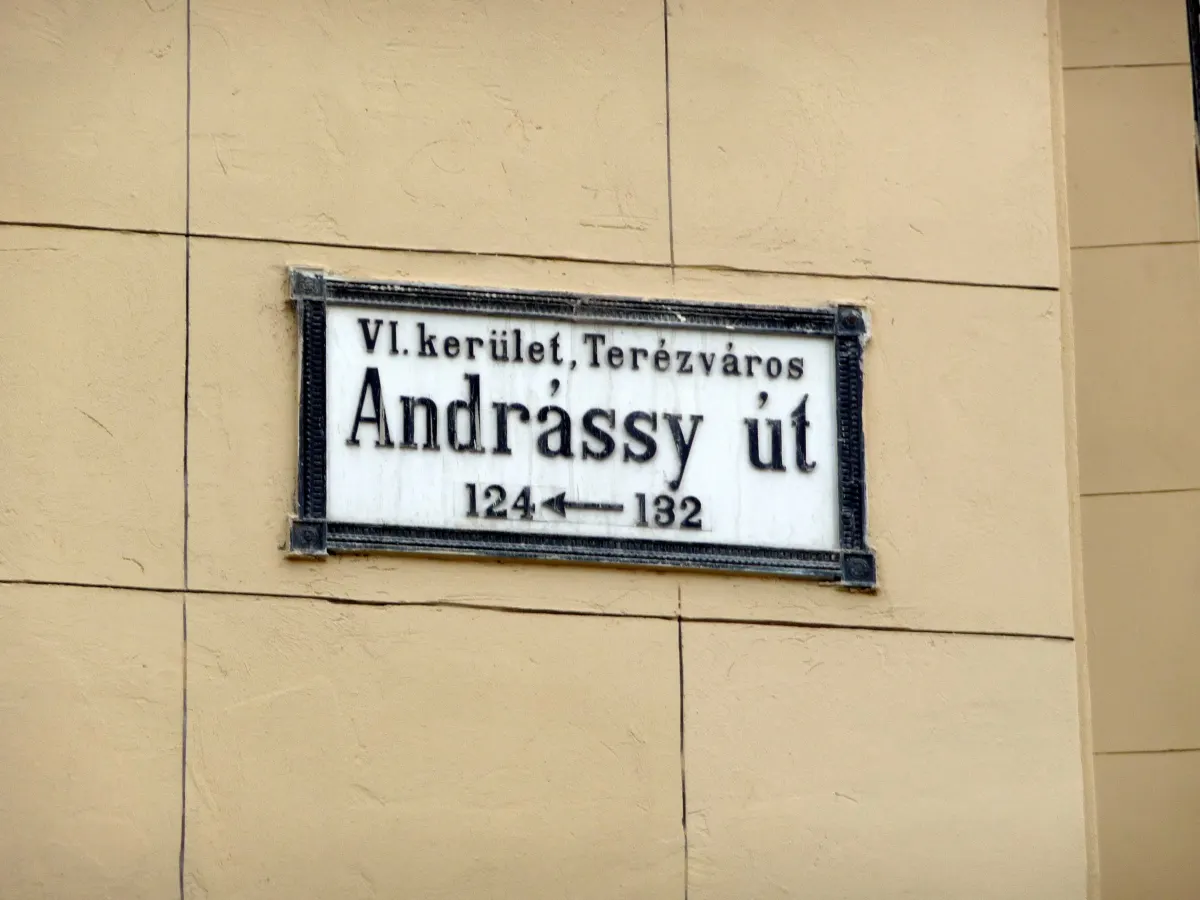
Hungarian isn't related to any of its neighbours' languages. Its nearest relations are spoken in Siberia, and Finnish is a distant cousin. You can't guess what a word means, but you can learn to pronounce it in ten minutes, as every letter always sounds the same.
Will people speak English?
- In Budapest's centre, in hotels, museums and among the under-40s, yes.
- In the country, on buses, in pharmacies and with older people, often not. Around Lake Balaton and in the west, German may work better.
- A translator app with Hungarian downloaded does the rest. It reads menus and signs through the camera.
How to say it
- The stress is always on the first syllable.
- s is "sh", and sz is "s". So Budapest is BOO-da-pesht, and Szeged SEH-ged.
- cs is "ch", c "ts", zs the sound in "pleasure", gy like the d in "during", ny as in "canyon", ty as in "Tuesday", ly like "y", and j is "y".
- a is like the o in British "hot", and á like "ah". e as in "pet", and é as "ay".
- ö and ü are as in German, and ő and ű the same but longer. An accent makes a vowel long.
Greetings and courtesies
- Good day: Jó napot (yoh NAH-pot). Good morning: Jó reggelt (yoh REG-gelt). Good evening: Jó estét (yoh ESH-tait).
- Hello or bye to a friend: Szia (SEE-ah), and to several, Sziasztok (SEE-ahs-tok).
- Goodbye: Viszontlátásra (VEE-sont-lah-tahsh-rah), or Viszlát (VEES-laht).
- Thank you: Köszönöm (KUR-sur-nurm). Please, when you ask: Kérem (KAY-rem).
- Yes: Igen (EE-gen). No: Nem (nem).
- Excuse me: Elnézést (EL-nay-zaysht). Sorry: Bocsánat (BOH-chah-not).
- Do you speak English?: Beszél angolul? (BEH-sail ON-go-lool). I don't understand: Nem értem (nem AIR-tem).
- Cheers: Egészségedre (EH-gay-shay-ged-reh).
Useful phrases
- I'd like a beer: Kérek egy sört (KAY-rek edj shurt).
- The bill, please: Fizetnék (FIZ-et-nake).
- How much is it?: Mennyibe kerül? (MEN-yee-beh KEH-rewl).
- Where is …?: Hol van …? (hol von). The toilet: a vécé (VAY-tsay).
- A ticket to Eger: Egy jegyet Egerbe (edj YEH-djet EH-ger-beh). The ending -be, -ba or -ra means "to".
- Help!: Segítség! (SHEH-geet-shayg).
Numbers
1 egy, 2 kettő (or két), 3 három, 4 négy, 5 öt, 6 hat, 7 hét, 8 nyolc, 9 kilenc, 10 tíz, 100 száz, 1,000 ezer, 10,000 tízezer. After a number, nouns stay singular.
Words on signs
- Bejárat entrance, kijárat exit, nyitva open, zárva closed, tolni push, húzni pull, tilos forbidden.
- Férfi men, női women. Toilets may have only F and N.
- Pályaudvar (often pu.) big station, állomás station, megálló stop, vágány track, indul leaves, érkezik arrives, késik is late.
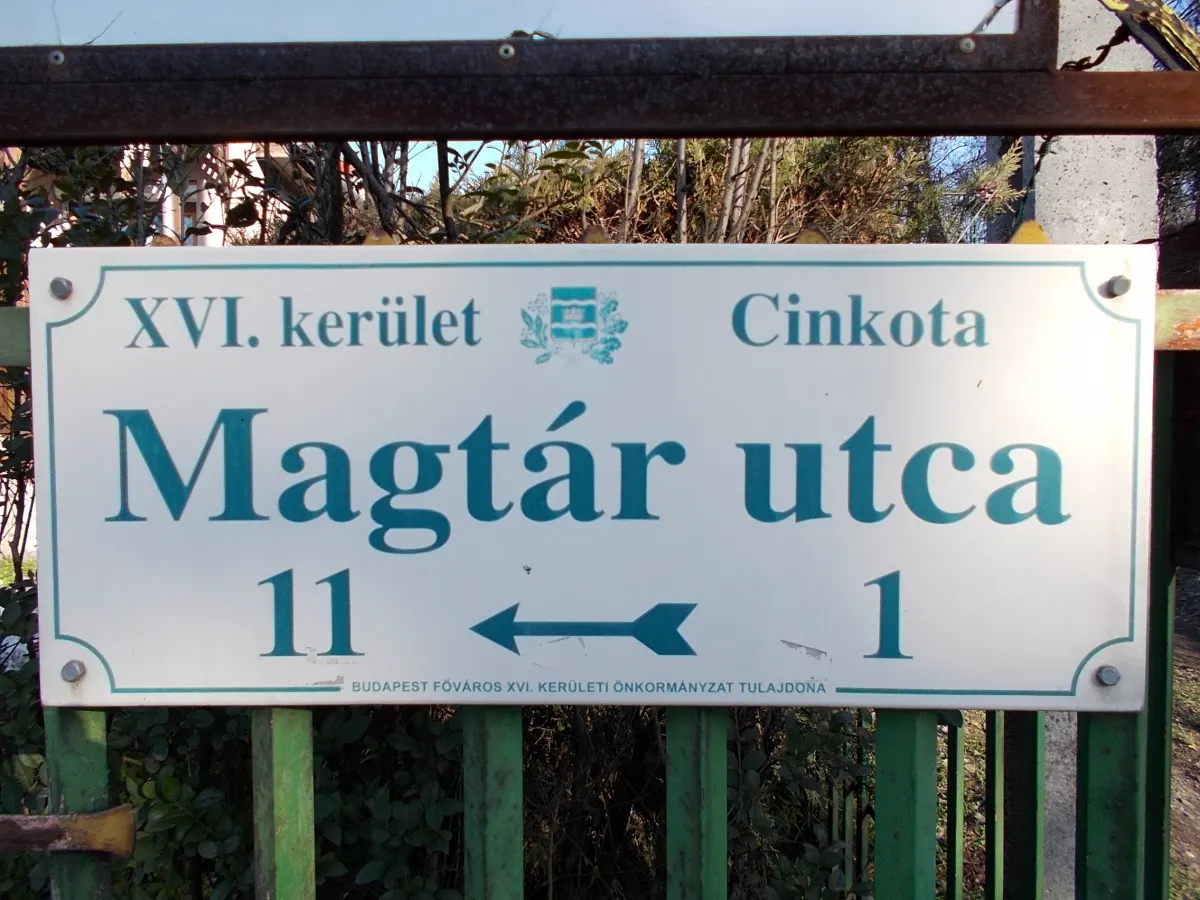
- Utca street (u.), út road, tér square, híd bridge, vár castle, templom church, fürdő bath, pince cellar, gyógyszertár or patika pharmacy.
- Days: hétfő, kedd, szerda, csütörtök, péntek, szombat, vasárnap, Monday to Sunday. Timetables use H, K, Sze, Cs, P, Szo, V.
Place names
Vienna is Bécs, Bratislava Pozsony, Belgrade Belgrád, Venice Velence (which is also a lake near Budapest). Germany is Németország and Italy Olaszország. Hungary itself is Magyarország.
See also Culture and manners.

Comments