
Culture and manners in Hungary: greetings, names back to front, visiting homes, clinking glasses, and subjects to treat with care
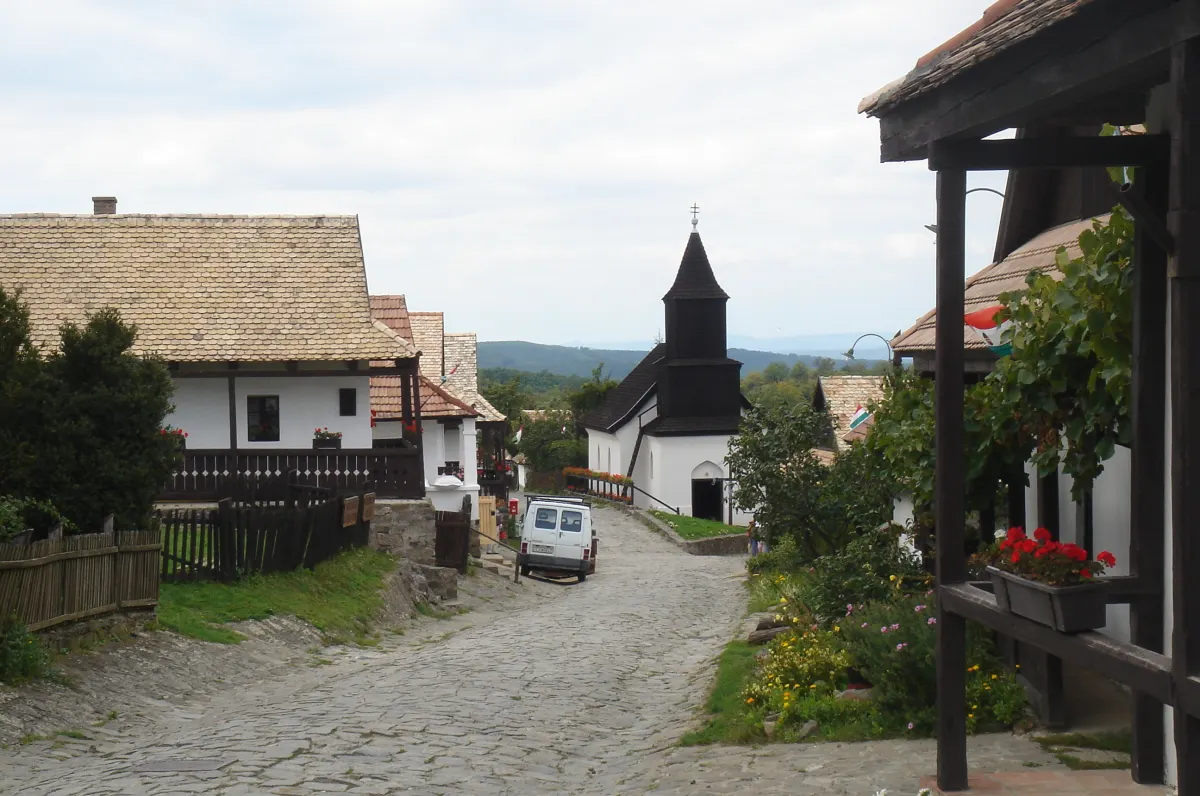
Hungarians can seem reserved, and service brisk, until you say good day. Politeness here is a matter of small forms, and people are pleased when a visitor knows one.
Greetings
- Say Jó napot (yoh NAH-pot, "good day") when you go into a small shop, a waiting room or a lift, and Viszlát when you leave.
- Szia (SEE-ah) is for friends and the young. It means both hello and goodbye. So, confusingly, does Helló.
- Shake hands, and look people in the eye. Friends kiss on both cheeks.
- Older people use the formal "you". Wait to be offered the other.
- You'll still hear children, and gallant old men, say Csókolom, "I kiss your hand".
Names
- The surname comes first: Liszt Ferenc, Bartók Béla. On cards for foreigners they may turn it round, so ask.
- Dates go the same way: 2027. 05. 14. is 14 May. So do addresses: the house number comes after the street.
- Name days are celebrated like birthdays, and flower shops remind you whose it is.
Visiting a home
- Take your shoes off at the door, unless told not to.
- Bring wine from elsewhere, chocolates or flowers in an odd number, but not 13, and not chrysanthemums, which are for graves.
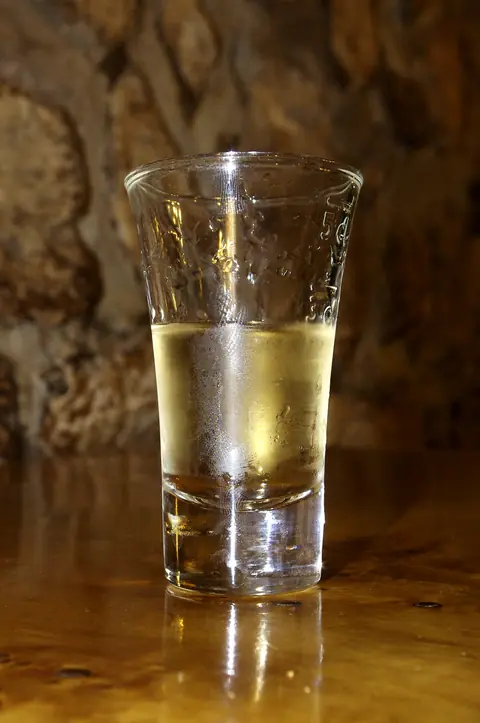
- You'll be fed more than you can eat, and offered pálinka. A small glass is polite, and a hand over the glass is accepted.
- Jó étvágyat before you eat, and Egészségedre (EH-gay-shay-ged-reh) as you drink, with your eyes on theirs.
Clinking beer glasses
By tradition Hungarians don't clink beer, because the Austrians are said to have done so when they executed thirteen Hungarian generals in 1849. The story can't be proved, and many young people clink away. Wine and pálinka are always clinked. Follow the others.
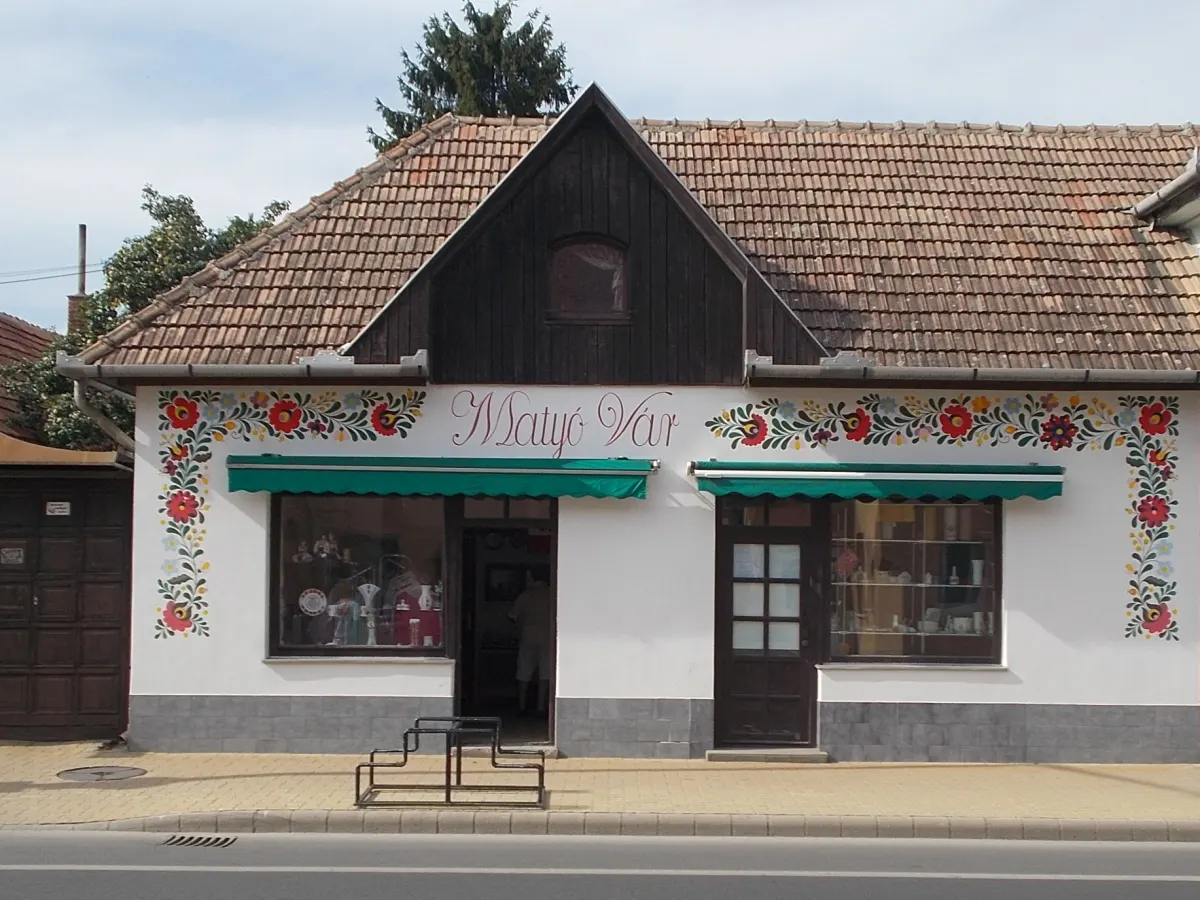
In public
- Keep your voice down on trams and in restaurants.
- Stand on the right of escalators, which in the metro are fast. Give up your seat to older people.
- Queues exist, though not always in a line. Ask Ki az utolsó? ("Who's last?") at a doctor's or an office.
- Waiters leave you alone, and don't bring the bill unasked. It isn't rudeness. See Tipping.
- Couples walk hand in hand, and Budapest is relaxed. Outside it, same-sex couples may attract stares.
Churches, synagogues and memorials
- Cover shoulders and knees. Men take hats off in churches, and put one on in synagogues, where kippahs are handed out.
- Don't walk round during a service.
- At the Shoes on the Danube Bank and other Holocaust memorials don't pose or touch. People leave pebbles and candles. See Jewish Budapest.
- On 1 November families light candles in the cemeteries. It's beautiful, and you may walk through quietly at dusk.
Subjects to treat with care
- Trianon: the treaty of 1920 that took two thirds of the old kingdom. You'll see its map on car stickers. Feelings about it are strong, and not only on the right.
- The Second World War, the Holocaust, and who was to blame. Some monuments are themselves disputed, such as the one to the German occupation on Szabadság tér, with the relatives' own memorial in front of it.
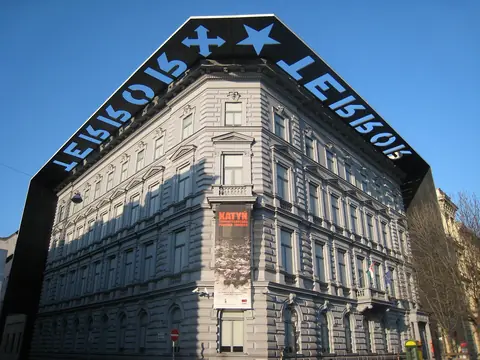
- 1956: the rising against Soviet rule. Nearly every family has a story. The House of Terror tells one version of those years.
- Politics: an election in April 2026 ended 16 years of Viktor Orbán's government, and people are divided about it. Listen first.
- Roma people are Hungary's biggest minority, and you may hear things said about them that shock you.
Photos
Ask before photographing a person: the law protects your right to your own image, as it does theirs. See Laws.
Food and drink
Pálinka
Budapest
Strong fruit brandy, usually apricot or plum, a welcome drink.
Attractions
House of Terror, Budapest
Budapest
A museum of fascist and communist terror in the former secret police headquarters, with cells in the basement.

Comments