
Health in Hungary: insurance and the GHIC, doctors and pharmacies, ticks and mosquitoes, heat, tap water and thermal baths
There's little to worry about. Bring insurance, use something against ticks and mosquitoes in the warm months, and respect the summer heat.
Insurance
- EU citizens with an EHIC, and people from the UK with a GHIC, get necessary state treatment on the same terms as Hungarians. It doesn't cover private clinics or a flight home, so take insurance too.
- Everyone else needs travel insurance. Canada and Australia say hospitals and doctors may want to be paid first. Keep the receipts.
Who to call
- 112: an ambulance, in an emergency. English is spoken.
- 1830: the national out-of-hours line, for evenings and weekends, when it isn't life-threatening.
- Public hospitals are sound on emergencies, but crowded and worn. English depends on the doctor. Bring somebody who speaks Hungarian, if you can, and your own towel and toilet paper if you're kept in.
- Private clinics in Budapest have English-speaking doctors and appointments the same day. The UK government keeps a list, and so do hotels.
Pharmacies
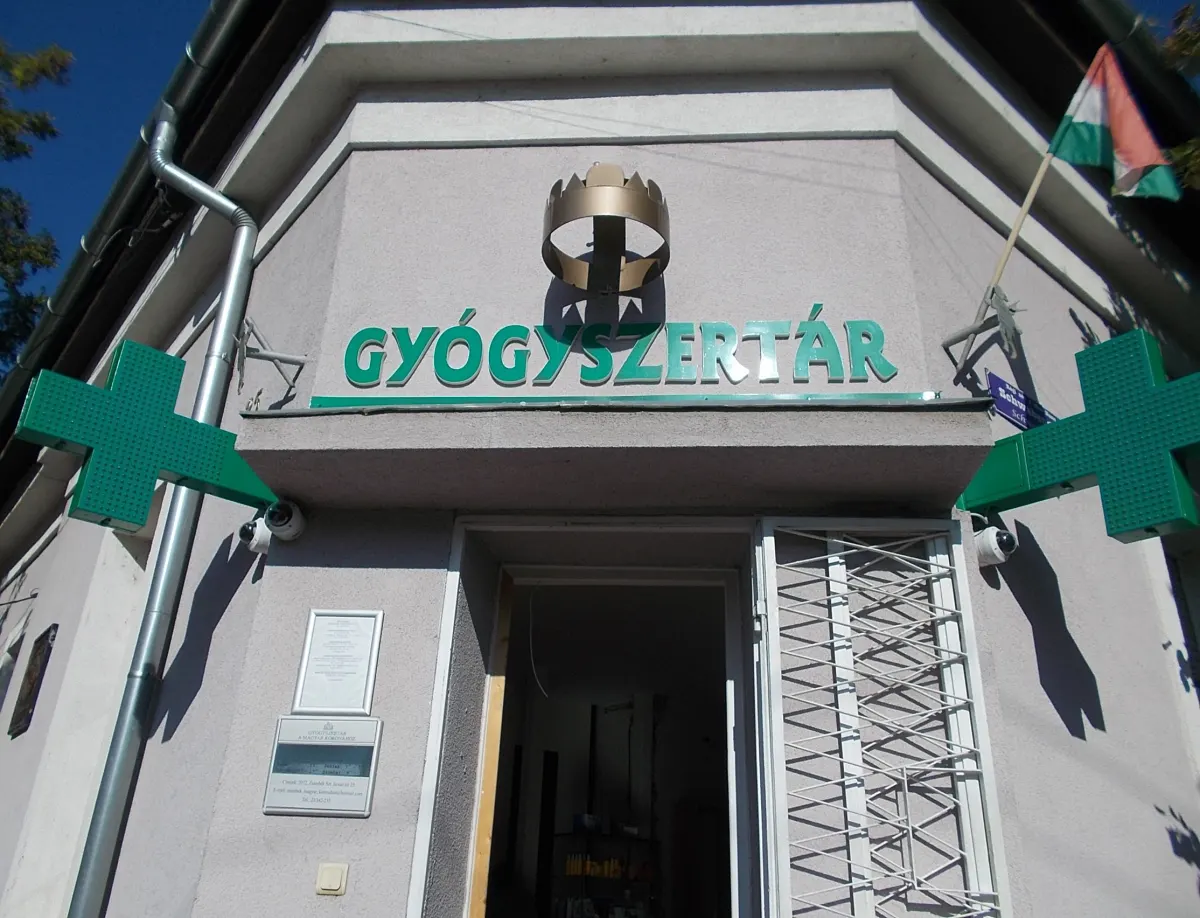
- A pharmacy is gyógyszertár or patika, with a green cross. Even painkillers are mostly sold there, not in supermarkets.
- Usual hours are 8 am to 6 or 8 pm, and Saturday to noon or so. In malls they're longer. A notice on the door gives the one on duty (ügyelet) at night.
- Bring enough of your own medicines, in their boxes, with the prescription. See Laws.
Dentists
Hungary treats thousands of foreigners a year. It's cheaper than western Europe, and the quality is mostly high. Get a written plan and price, don't have big work done in a three-day trip, and ask who will put things right if they go wrong.
Ticks
- They're active from early spring to late autumn, in woods, meadows, gardens and city parks, and carry Lyme disease and, in places, tick-borne encephalitis (TBE). The risk of TBE is highest in the west, around Lake Balaton, and in the northern hills.
- Long trousers, repellent, and a check of your whole body at the end of the day. Pull a tick out with fine tweezers, straight and soon. See a doctor if a red ring spreads or you get a fever.
- There's a vaccine against TBE, of several doses. The UK's travel health service recommends it if you'll walk or camp in the woods.
- Don't drink unpasteurised milk, which can carry it as well.
Mosquitoes
A nuisance by the rivers and lakes from May to September. They can carry West Nile virus, with some cases most summers, and one was confirmed in August 2026. Use repellent in the evening. Older people should take most care.
Heat
- July and August bring days of 35 °C and more. Many flats and older trains have no air conditioning. See sights early, spend the middle of the day in a museum or a pool, and drink.
- In a heat alert the city puts out mist gates and opens cooled rooms.
Water and food
- Tap water is safe all over the country. Street pumps marked nem ivóvíz are not for drinking.
- Medicinal spring water at the baths tastes of eggs, and isn't for drinking by the litre.
- Lake Balaton is clean enough to swim in, and is tested. After long heat there can be blue-green algae: look for notices.
Animals
Rabies is very rare, but bats can carry it. If you're bitten or scratched by a bat, a fox or a stray dog, wash it for 15 minutes and see a doctor the same day.
Thermal baths
Hot pools are hard work for the heart. Read the health advice if you're pregnant or have heart or blood pressure trouble.
Vaccinations
None is required. Have the routine ones, measles included. Canada recommends hepatitis A where there's a risk. Ask about TBE two months before.
Air
On still winter days smoke from stoves makes the air bad, in the northern valleys above all. People with asthma should look at an air quality app.

Comments