Country guides
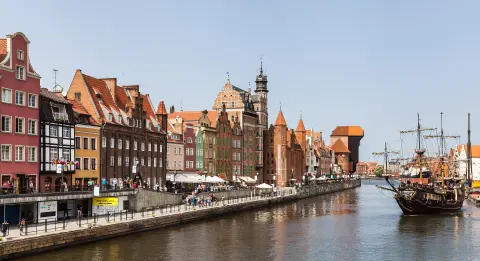
Brick Gothic, amber, the places where the Second World War began and communism started to end, and one of Europe's finest sandy coasts.
Country guides
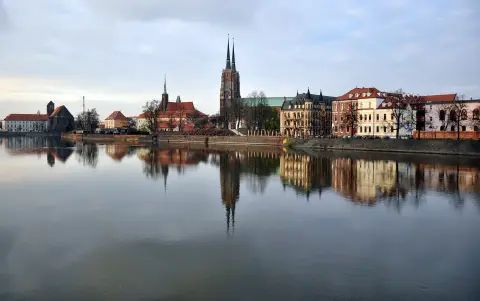
South-west Poland was German until 1945, and it shows: half-timbered churches, spa towns, castles, and the strange underground works of Project Riese.

Country guides
This is the classic first trip: the rebuilt capital and its great museums, the old royal city, two places nobody forgets, and mountains to finish.
Country guides
Poland is in the Schengen area, the group of European countries with no routine passport checks between them.

Country guides
Kraków's big sights sell tickets for a fixed day and time, in limited numbers, and the best sell out.

Country guides
Warsaw's museums are among Europe's best, and almost all have one free day.
Country guides
Between big cities the train is usually quicker.

Country guides
Polish markets are as pretty as Germany's, cheaper, and many go on past New Year.
Country guides
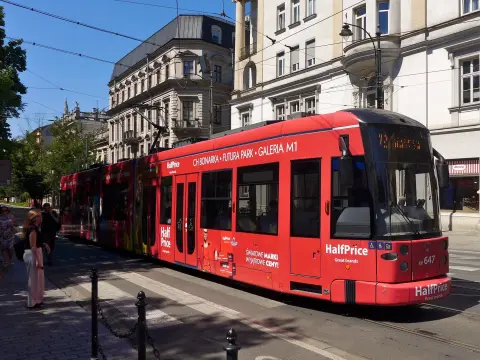
Polish cities have excellent trams and buses, for about the price of a coffee a day.

Country guides
Poles can seem reserved with strangers: people don't smile at everybody in the street.
Country guides
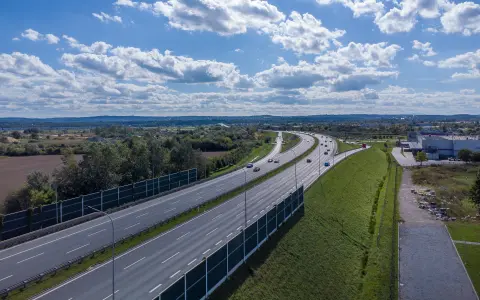
Poland has built thousands of kilometres of new expressways, and most are free.

Country guides
Polish food is hearty, sour and smoky, with superb soups, dumplings, bread and cured meat.

Country guides
Poland has good doctors, modern private clinics and pharmacies on every corner.

Country guides
Poland is one of the safer countries in Europe, and violent crime against visitors is rare.
Country guides
Poland is in the EU but doesn't use the euro.

Country guides
Mobile data in Poland is fast and among the cheapest in Europe.
Country guides
Poland's borders with Ukraine, Belarus and Russia are the edge of the EU, and there's a war on the other side of one of them.

Country guides
The Tatras are small and steep, and the paths go much higher than their signs suggest.

Country guides
Tipping (napiwek) is usual in restaurants and optional everywhere else.

Country guides
Poland has no national tourist tax. Some towns charge a small amount for each night, and from 2027 more of them can, Kraków probably among them.
Country guides
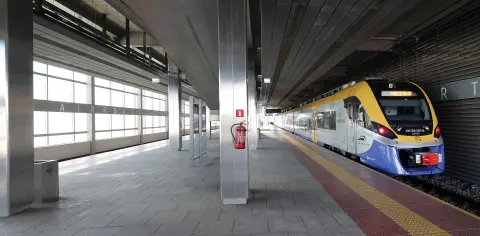
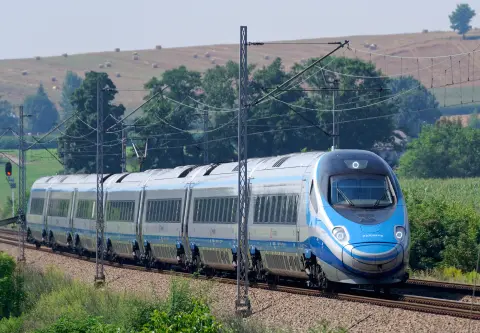
Trains are the best way between Poland's cities: fast, frequent, cheap by European standards, and mostly on time.

Country guides
More than 1.1 million people, most of them Jews, were murdered at Auschwitz-Birkenau by Nazi Germany.

Country guides
The Wieliczka Salt Mine is half an hour from Kraków: seven centuries of tunnels, with lakes, statues and a whole church carved in salt.

Country guides
Poland and Russia both claim to have invented vodka, and Poles drink it neat, cold and with food.

Country guides
Late May, June and September are the best months almost everywhere.

Country guides
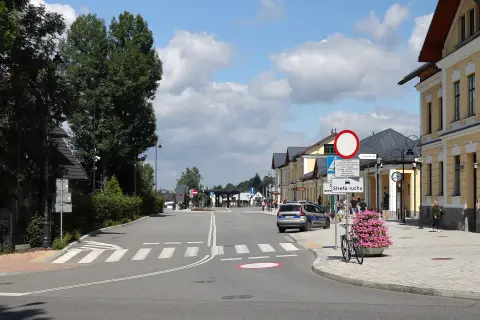
Zakopane, two hours south of Kraków, is the way into the Tatras, Poland's only Alpine mountains.
