
7 days in Gdańsk and on the Baltic coast by train: Malbork, Sopot, the Hel peninsula, the dunes of Łeba and Toruń
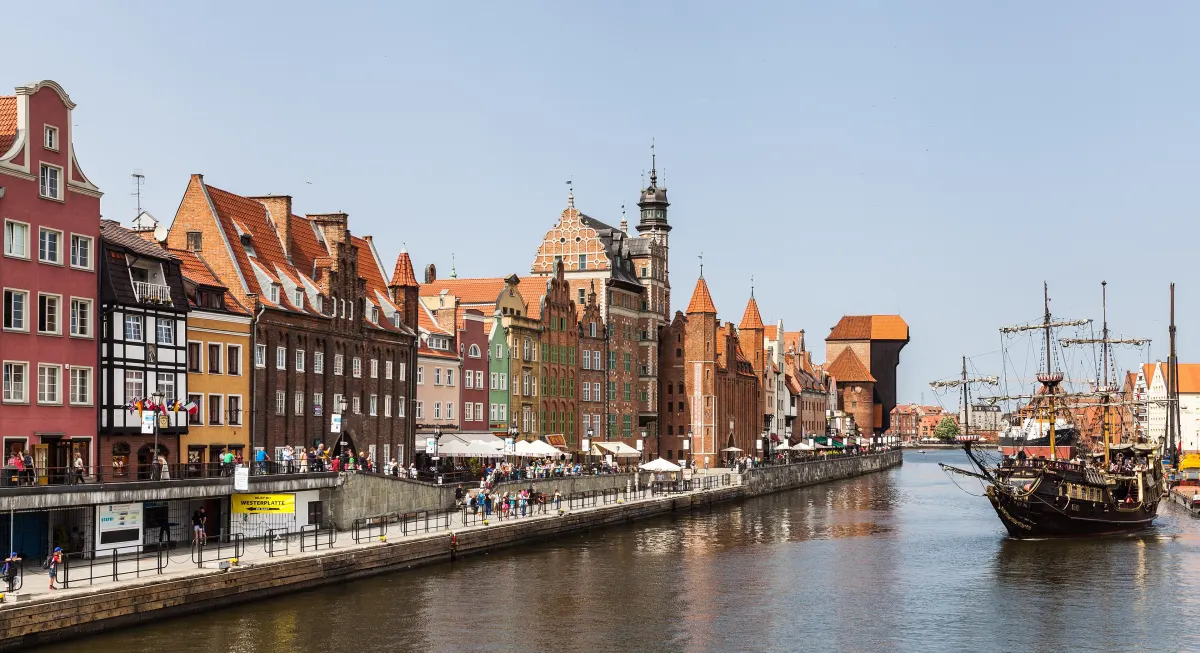
Brick Gothic, amber, the places where the Second World War began and communism started to end, and one of Europe's finest sandy coasts. Local trains link nearly all of it. Nothing here needs a car.
Map of the route
Train from Gdańsk to Malbork, about 52 km
Train from Gdańsk to Hel by Sopot and Gdynia, about 97 km
Train from Reda to Lębork, about 45 km
Summer train or bus from Lębork to Łeba (drawn by road), about 31 km
From Łeba to the Łącka dune, about 8 km
Train from Gdańsk to Toruń by Bydgoszcz, about 178 km
Click a dot for the place. Labels show where you spend each night, and the day trips. The dashed line is the walk, bicycle or electric cart to the dune. Some trains to Hel and Łeba run only in summer. Distances are approximate. Route from OpenStreetMap (© OpenStreetMap contributors, ODbL).
Before you go
- When: late May to mid-September. In July and August book rooms months ahead. Out of season Gdańsk, Malbork and Toruń are still worth it, but trains to Hel and Łeba are few or don't run.
- From Warsaw it's about 2½ hours by fast train. From 17 January 2027 trains leave from Warszawa Gdańska: see Trains.
- Book Malbork, the war museum and Saturday nights.
- Gdańsk takes a small tourist tax, and Sopot a bigger one.
Day 1: Gdańsk
Walk the Royal Way through the Golden Gate to the Long Market, the Green Gate and the river with its medieval crane. Climb the tower of St Mary's, over 400 steps, and look for amber in Mariacka street. In the evening walk over the bridges to Granary Island.

Long Market and Old Town, Gdańsk
Gdańsk's main street and square, the Long Market, is lined with tall, richly decorated merchants' houses from the city's days as a wealthy Hanseatic …
Day 2: War and freedom
The Museum of the Second World War needs three hours: 33 zł (23 reduced), closed on Monday and free on Tuesday. In the afternoon the European Solidarity Centre, in the shipyard where Lech Wałęsa led the strikes, with a roof terrace. In winter its exhibition is closed on Tuesday. Between them is the old Polish Post Office, whose workers held out for a day in 1939.
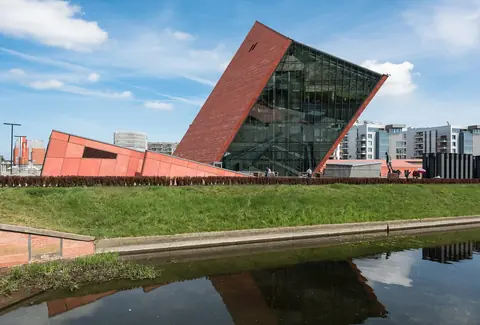
Museum of the Second World War, Gdańsk
A huge museum in the city where the war began, telling the war's story with reconstructed streets and personal stories.
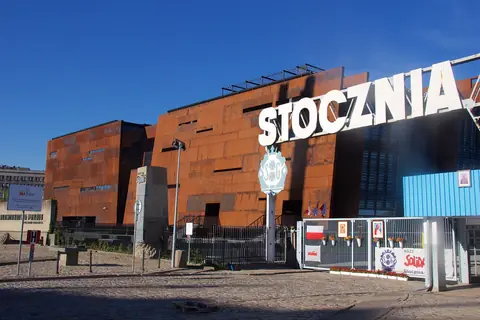
European Solidarity Centre, Gdańsk
The story of the Solidarity movement that began in the Gdańsk Shipyard and helped end communism in Europe, with a roof terrace over the shipyard.
Day 3: Malbork
A train takes 30 to 50 minutes. Malbork is a whole day's castle: the Historical Castle route was 80 zł (60 reduced) in winter 2026/27, Tuesday to Sunday, with the last entry at 12.45 pm (later in summer) and an audio guide. Only 500 people an hour get in, so book. On Monday only the grounds are open, and they're free. Cross the footbridge for the view from the far bank.
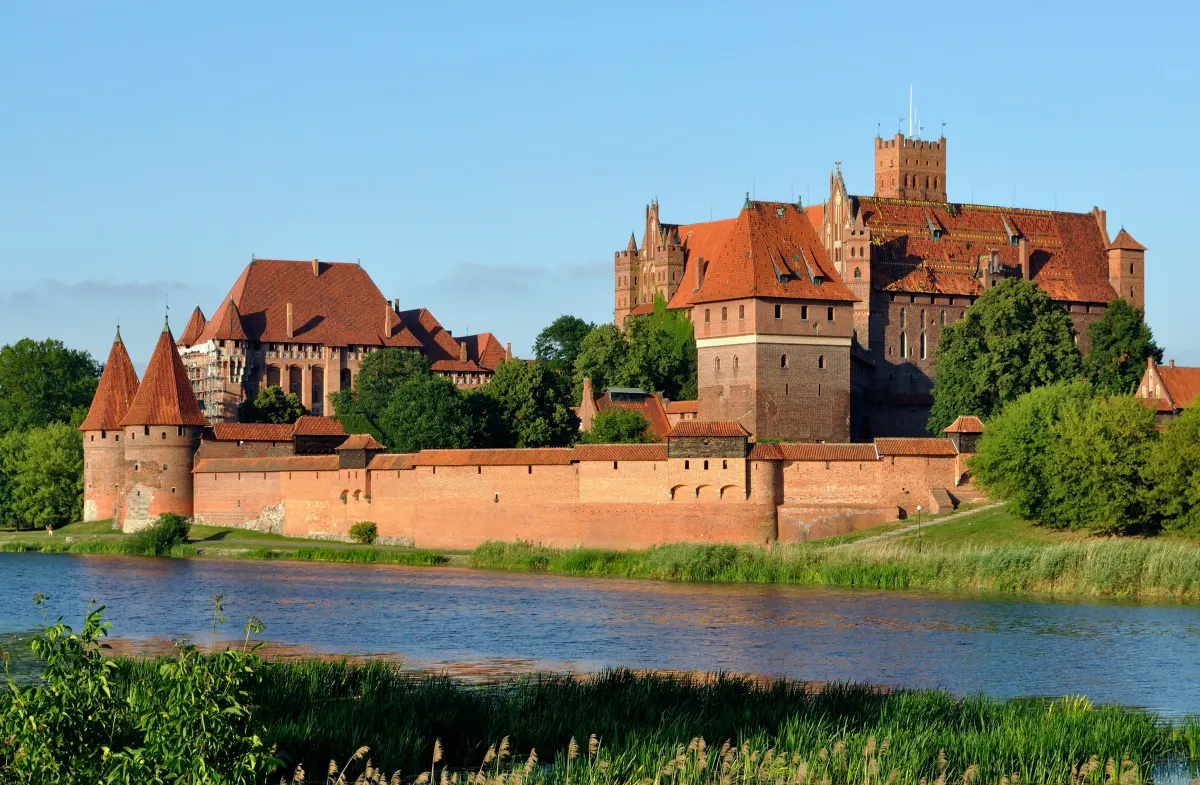

Malbork Castle
The largest castle in the world by land area, a huge red-brick Gothic fortress built by the Teutonic Knights from the 13th century beside the Nogat R…
Day 4: Sopot, Gdynia and Oliwa
Take the SKM to Oliwa for the cathedral's organ, which is played for visitors most days, and its park. Go on to Sopot, for the longest wooden pier in Europe and the beach, and Gdynia, for a 1930s city, museum ships and the cliff at Orłowo. History lovers should take bus or boat to Westerplatte instead, where the war's first battle was fought: a new museum is being built there, and you can walk the ruins.
Day 5: The Hel peninsula
Trains from Gdynia (about 2 hours, more from Gdańsk, many only in summer) run along a sandbar 35 km long, with the open sea on one side and the shallow bay of Puck on the other, famous for kitesurfing. At Hel: grey seals, gun batteries, smoked fish and empty beaches beyond the lighthouse. In summer go one way by boat. Stay in Jastarnia for a beach day.
Day 6: The dunes of Łeba
From Gdynia, trains to Lębork and on to Łeba take about 2½ hours (the last part runs only in summer, and otherwise it's a bus). The line towards Słupsk is being rebuilt, so check. From Rąbka, 2 km west of Łeba, walk or cycle 5.5 km, or ride an electric cart, to the Łącka dune in Słowiński National Park, over 30 m of moving sand. Come back along the beach. The park charges from May to September, about 10 zł. Sleep in Łeba.
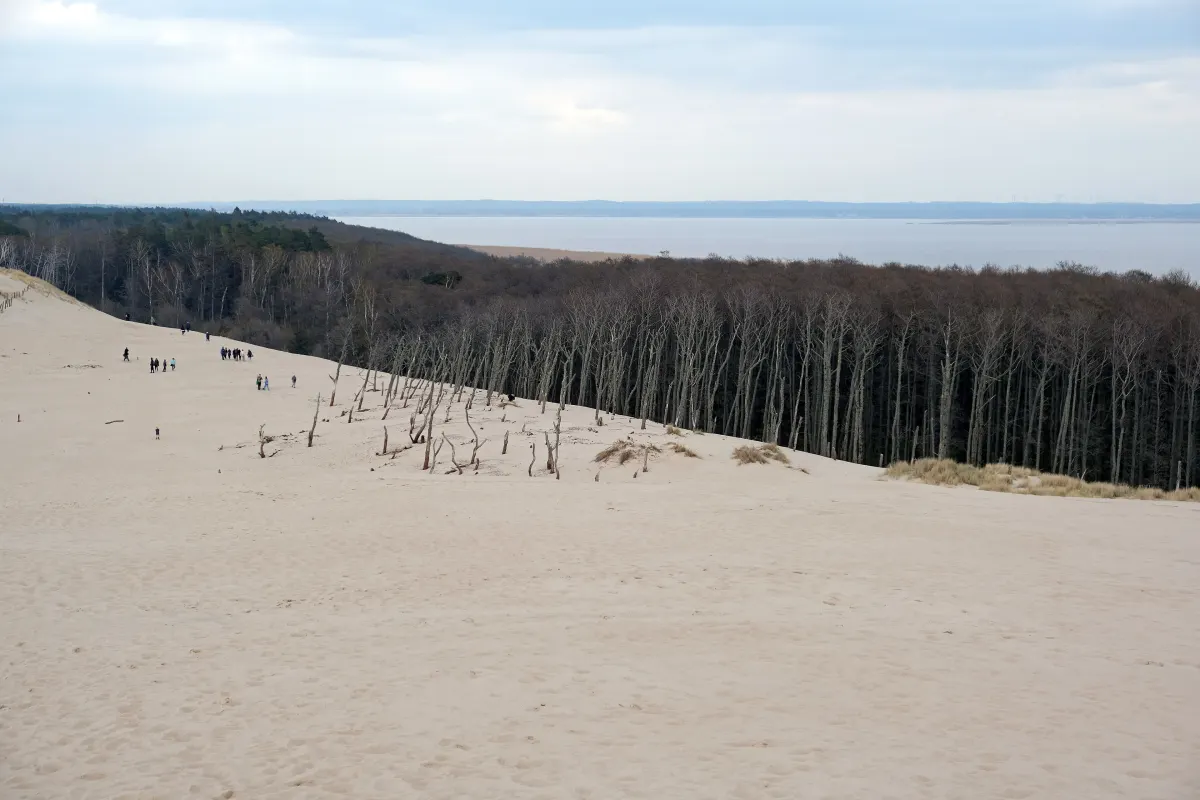
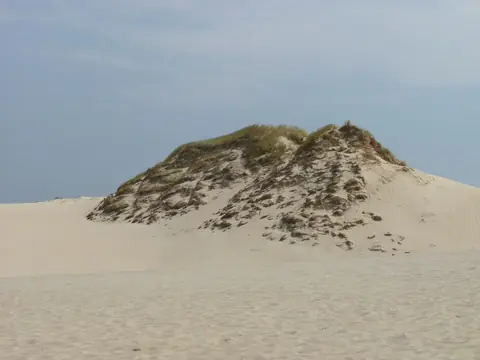
Słowiński National Park
Moving sand dunes up to 30 m high on the Baltic coast, between the sea and lakes, which bury the forest as they advance.
Day 7: Toruń
It's a long morning by Gdynia, so leave early, or skip Łeba. Toruń is about 2½ to 3 hours from Gdańsk by train: an untouched medieval town, Copernicus's house and gingerbread. Sleep here, and go on to Warsaw (about 2½ hours), or Poznań (under 2).

Toruń Old Town
A beautifully preserved medieval Gothic town of red brick on the Vistula River, a UNESCO World Heritage Site and the birthplace of the astronomer Nic…
With more time
- The Elbląg Canal, where boats are pulled over hills on rails (May to September).
- Frombork, where Copernicus worked, and the Vistula Spit.
- The Mazury lakes, for sailing and kayaking, by train to Giżycko.
- Kashubia, the lakes and hills behind Gdańsk, by train to Kartuzy or Kościerzyna.
On the beach, read the flags: Safety.


Comments