
City transport in Poland: tickets and fares in Warsaw, Kraków, Wrocław and Gdańsk, validating, taxis and e-scooters
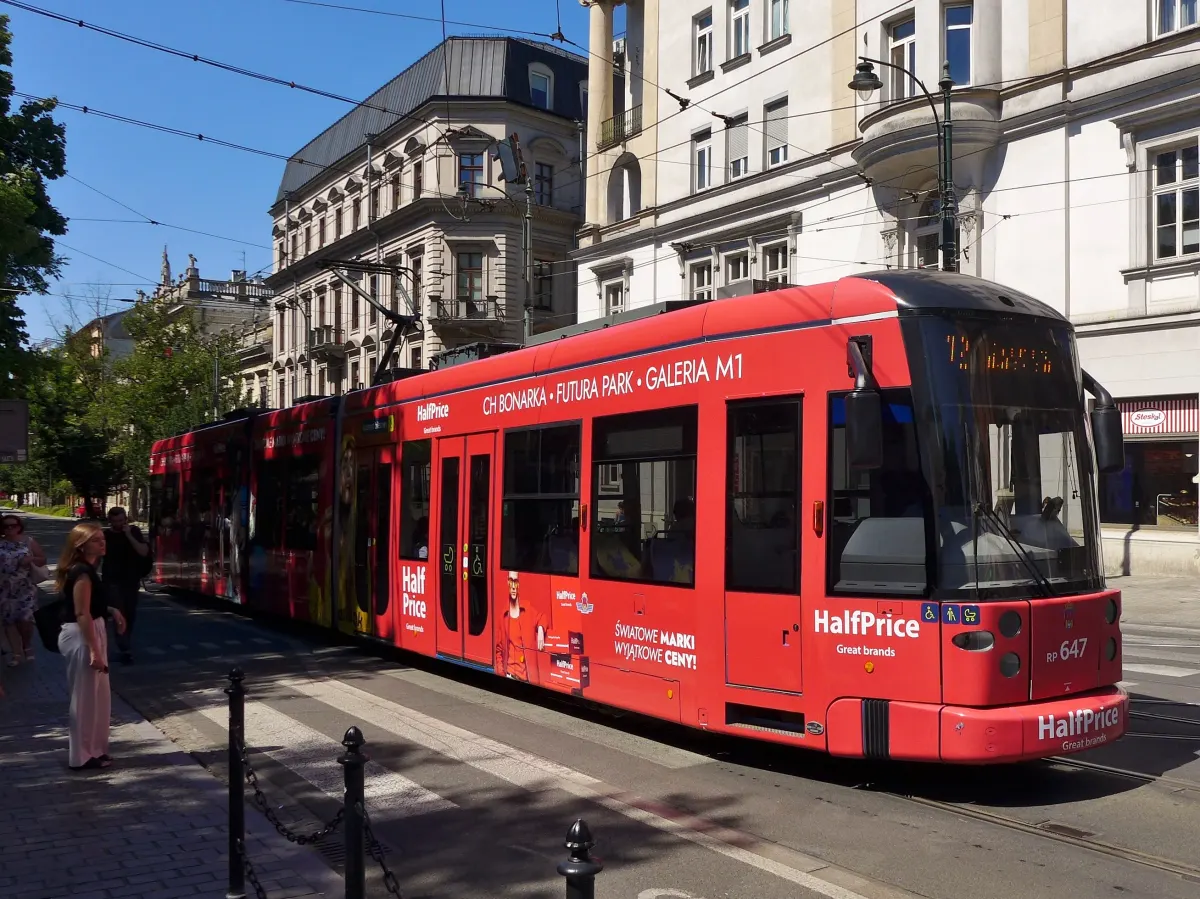
Polish cities have excellent trams and buses, for about the price of a coffee a day. The one thing that catches visitors is that tickets are timed and must be validated as you start.
How tickets work
- Nearly all are time tickets: you can change as often as you like until the time runs out. They count minutes by the timetable's clock, so delays use them up.
- Stamp a paper ticket in the machine on board as soon as you get on. In Warsaw's metro, do it at the gate.
- Many vehicles have a card terminal: tap your card, and either a ticket prints or it's stored on the card. Inspectors check the card.
- Phone apps such as Jakdojade, mPay and SkyCash sell tickets for all the big cities, and Jakdojade plans the trip. Activate the ticket as you get on.
- Inspectors wear plain clothes. The fine is several hundred złoty, less if you pay at once by card. Ask for identification and a receipt, and don't hand over cash in the street.
Warsaw
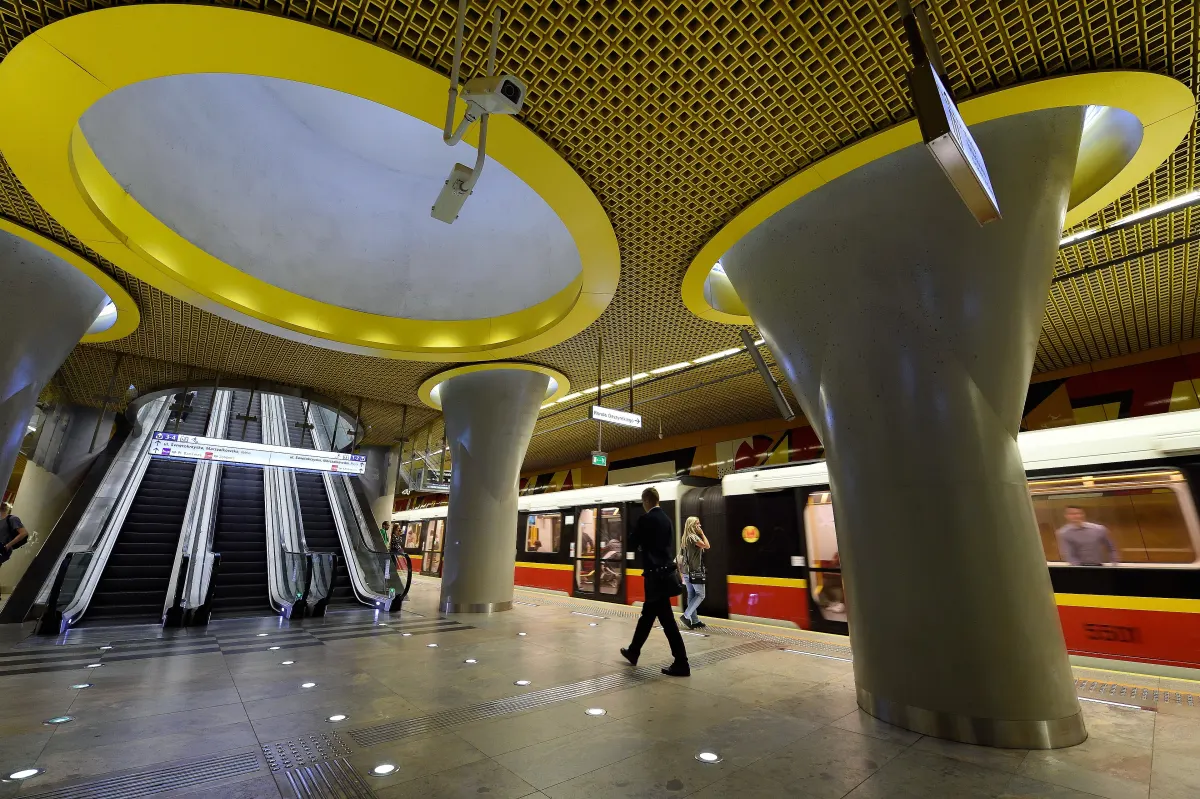
- One ticket covers the metro (M1 and M2), trams, buses and the SKM suburban trains. Nearly everything you'll see is in zone 1, including Chopin airport.
- Fares reported in 2026, the same for some years: 20 minutes 3.40 zł, 75 minutes 4.40 zł, 24 hours 15 zł, 3 days 36 zł.
- The metro runs from about 5 am to midnight, and to about 3 am on Friday and Saturday nights. Night buses start with N, and meet by the Central station.
- The station tunnel works from January 2027 affect suburban trains: see Trains.
Kraków
- Fares went up on 2 March 2026: 15 minutes 4 zł, 30 minutes 6 zł, 60 minutes 8 zł, 90 minutes 9 zł, 24 hours 20 zł, 48 hours 40 zł, 72 hours 55 zł. Tickets for the zones beyond the city cost a little more, and the press expects another change in 2027.
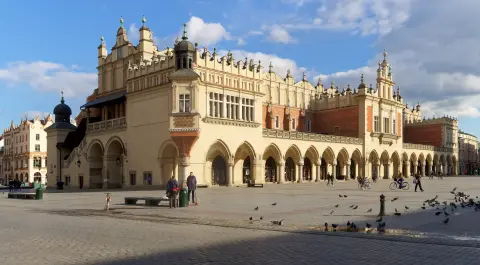
- There's no metro. The old town is a pedestrian zone, so you'll mostly walk, and use trams for Kazimierz, Podgórze (Schindler's Factory) and Nowa Huta.
Wrocław
15 minutes 3.20 zł, 30 minutes 4 zł, 60 minutes 5.20 zł, 90 minutes 7 zł, a single ride 4.60 zł and 24 hours 15 zł. In September 2026 the city denied a report that the fares would rise.
Gdańsk, Sopot and Gdynia
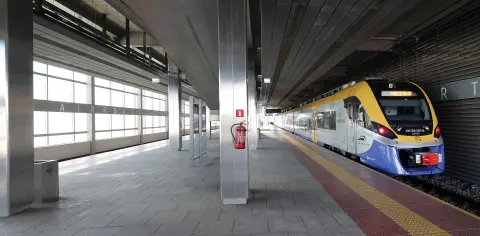
- The three cities run together for 30 km. The SKM is the blue and yellow train that links them every few minutes: about 40 minutes from end to end. It's a separate ticket from Gdańsk's trams and buses, unless you buy a metropolitan one.
- The SKM no longer sells the paper tickets that you stamp, and old ones are good only until 12 December 2026. Buy from a machine or an app.
- The last price list found for Gdańsk's trams and buses gave 6 zł for 75 minutes and 22 zł for 24 hours. Check on the machine.
Taxis and app rides
- Bolt, Uber and FreeNow work in all the cities and are cheap. Check the plate and the driver's photo, and sit in the back.
- Official taxis have the company's name and phone number on the door and roof, and a price card in the window. A crest alone, or only the word TAXI, isn't enough.
- Don't take a lift from somebody who approaches you at a station or airport.
Walking, bikes and scooters
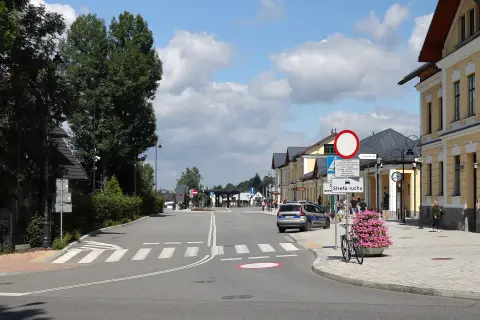
- You can be fined for crossing on red, or outside a crossing when one is close. Cars must stop for you as you step on to a marked crossing, but look first. Trams have priority.
- Don't walk in the red cycle lanes.
- Share bikes: Veturilo in Warsaw, WRM in Wrocław and Mevo around Gdańsk, some of them electric. Seasons vary.
- E-scooters go on the cycle lane, at 20 km/h at most, one person on each, and never after drinking. Under-16s must wear a helmet on a bicycle or scooter.

Historic sites
Warsaw Old Town and Royal Castle
Warsaw, Mazovia
Warsaw's Old Town was almost completely destroyed in 1944 and rebuilt brick by brick from paintings and old photographs, so faithfully that it's a UN…
Attractions
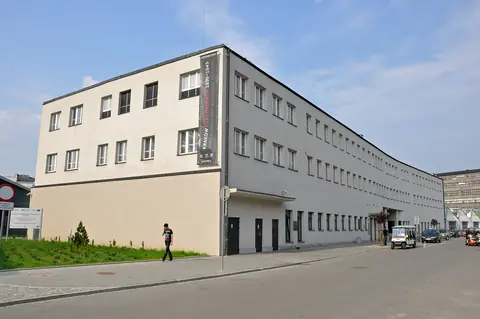
Oskar Schindler's Enamel Factory, Kraków
Kraków, Lesser Poland
A museum of Kraków under Nazi occupation, in the factory where Oskar Schindler saved over 1,000 Jews.
Comments