
Driving in Poland: speed limits, the 0.2 alcohol limit, motorway tolls, clean zones in Kraków and Warsaw, and winter roads
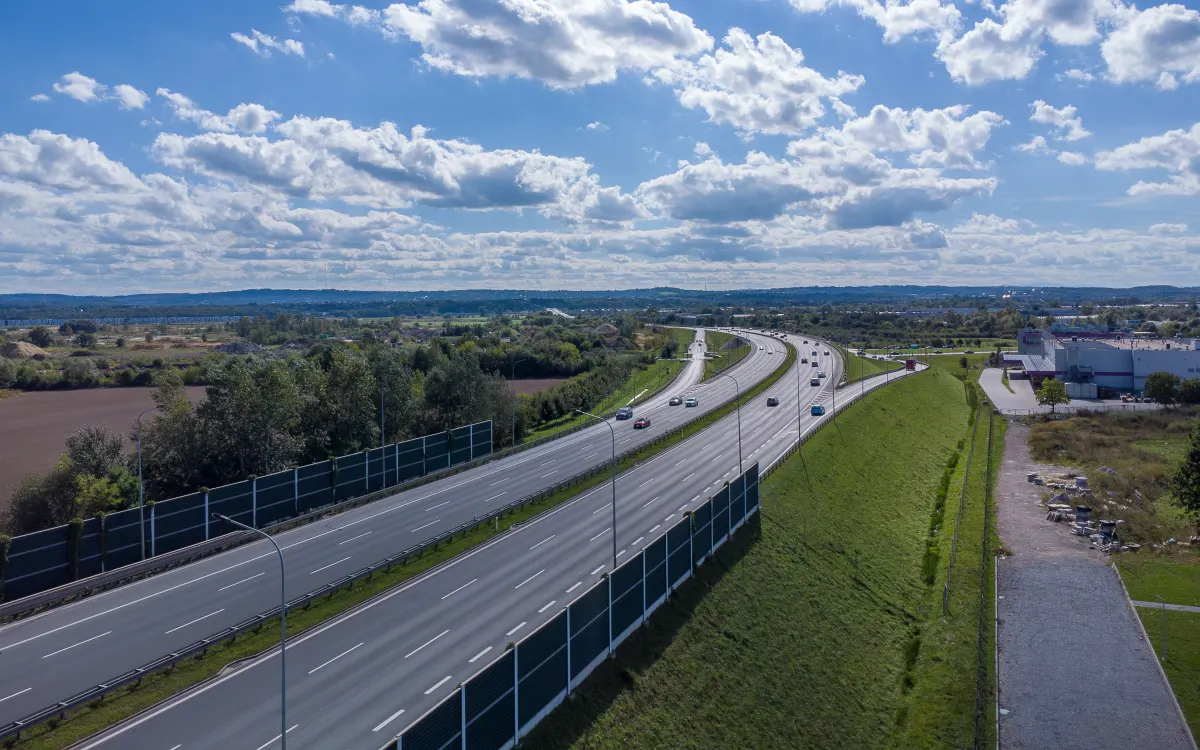
Poland has built thousands of kilometres of new expressways, and most are free. You don't need a car between cities. You do want one for castles, lakes, Lower Silesia and the Bieszczady.
Licence and papers
- EU and EEA licences and UK photocard licences are accepted. The UK government says up to six months.
- From the USA, Canada, Australia and New Zealand, bring an international driving permit with your own licence. Canada's government says you need it, and get it at home. Hire firms may ask for it.
- Carry your licence, passport or identity card, and the car's registration and insurance papers. The police can take the car if you can't show them.
- A warning triangle and a fire extinguisher are compulsory. Hire cars have them.
- Children under 150 cm need a child seat or booster.
Rules of the road
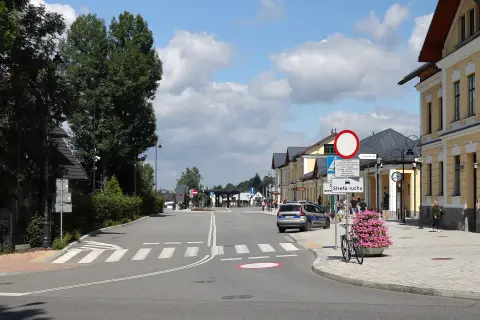
- Limits: 50 km/h in towns (a white sign with the town's skyline starts it), 90 outside, 100 to 120 on expressways (S roads), 140 on motorways. 20 in residential zones (strefa zamieszkania), where walkers have priority.
- More than 50 km/h over the limit, in a town or, since March 2026, on single-carriageway roads outside, can cost you your licence for three months, and a large fine. Average-speed cameras are common.
- Alcohol: 0.2 g per litre, which is practically nothing. Above 0.5 it's a crime, with the car confiscated at high levels. The morning after counts.
- Headlights on day and night, all year.
- Phones only hands-free.
- Stop for anyone on or stepping on to a crossing, and never overtake there.
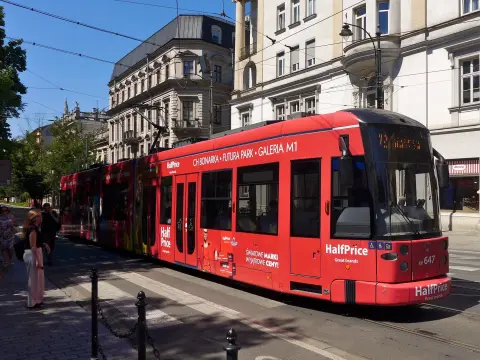
- Trams go first at equal junctions, and you stop behind one that's letting people off into the road.
- When traffic stops on a motorway, make a corridor for ambulances: left lane to the left, all the others to the right.
- In country areas look out for people walking in the dark. They must wear a reflector, and so must you if you walk: the fine is 100 zł.
- Foreign drivers pay fines on the spot, usually by card.
Motorway tolls
Cars pay only on three motorways, run by private companies. All state roads are free for them, and there's no vignette. Prices in autumn 2026 for a car:
- A2 from Świecko (the German border) by Poznań to Konin: up to 141 zł for the whole 255 km. Nowy Tomyśl to Konin is 123 zł.
- A4 Katowice to Kraków: 18 zł at each of two plazas, 36 zł in all. The concession ends on 15 March 2027, and from the 16th it should be free for cars.
- A1 from near Gdańsk to near Toruń: about 30 zł.
Pay by card or cash, or set up an app such as Autopay that reads your plate. The A4 from Wrocław to Katowice and the A2 from Konin to Warsaw are free.
Clean transport zones
- Kraków: since 1 January 2026 a zone covers about 60% of the city, at all hours. Petrol cars need Euro 4 or to be built in 2005 or later, and diesels Euro 6 or 2014.
- Cars with foreign plates must be registered in the city's system (sct.zdmk.krakow.pl) before you drive in, even if they comply. You need the registration document.
- Older cars from outside can pay until the end of 2028: 2.50 zł an hour in 2026 (two hours cover the day), and 15 zł a day in 2027. Cameras check plates, and fines of up to 500 zł are reported. The city was consulting in November 2026 on a smaller zone.
- Warsaw has a smaller one in the centre, with older limits that rise every two years. Check yours before you go.
- A hire car from Poland is fine in both.
Parking
- City centres have paid zones (strefa płatnego parkowania), normally on weekdays and in some cities at weekends. Pay at the machine with your plate number, or on an app.
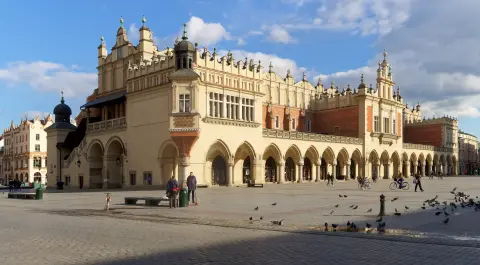
- Kraków's and Gdańsk's old towns are closed to cars. Use a P+R by a tram line, or a guarded car park (parking strzeżony).
- For Morskie Oko you must book: see Zakopane.
- Don't leave anything in sight.
Winter
- Winter tyres aren't required by law, but everybody fits them from November to April, and so should you. Studs are banned. A round blue sign with a chained wheel means chains are compulsory.
- Hire firms fit winter tyres in season. Ask if you collect the car in a neighbouring country.
- The Zakopianka (Kraków to Zakopane) jams on Friday evenings and Sundays in winter and summer.
Roads and help
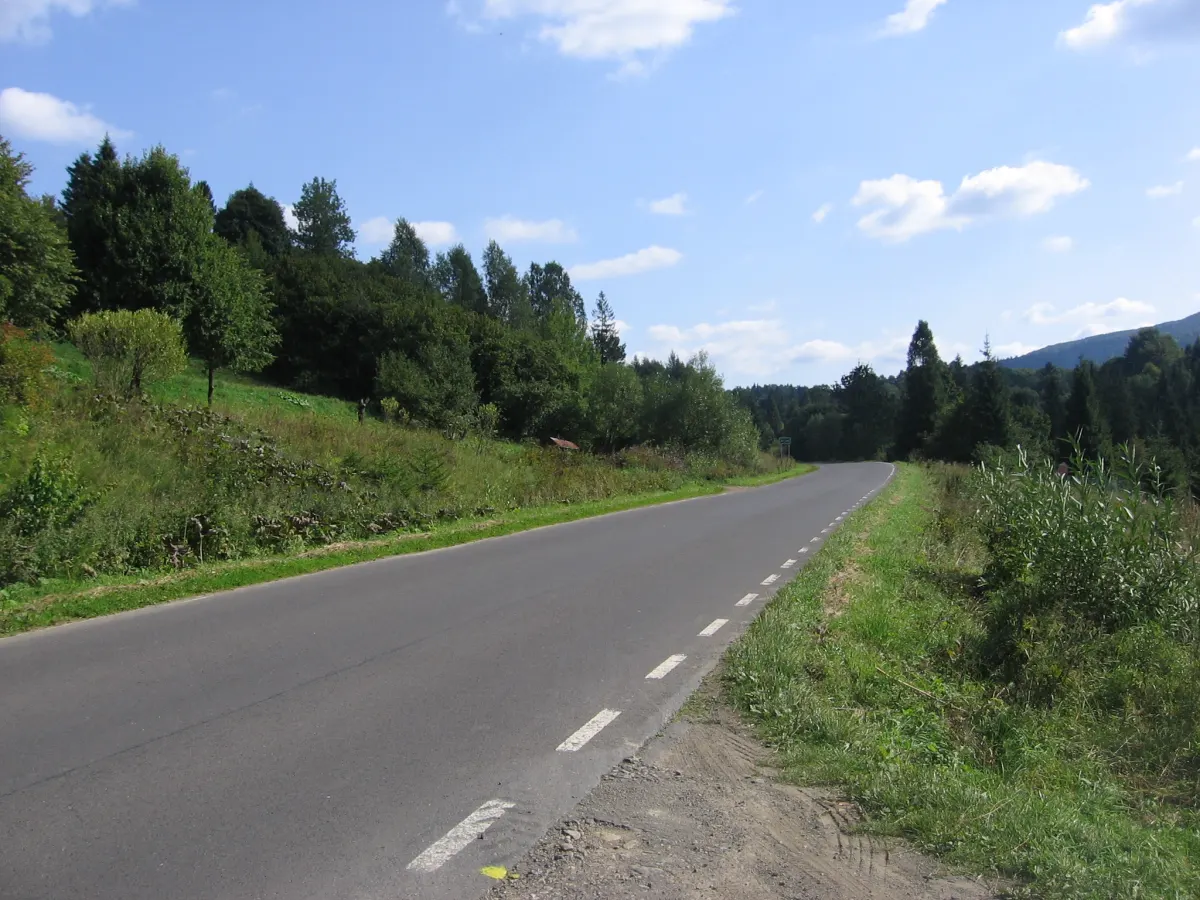
- Minor roads are narrow, with trees close to the edge, and tractors and cyclists without lights. Avoid them at night. Storks and deer are a real hazard.
- Most hire firms ban taking the car to Ukraine, Belarus and Russia, and charge for other countries.
- Emergencies: 112. Call the police if anybody is hurt, or if you disagree about blame.
See also Wrocław and Lower Silesia by car, with a route map.
Comments