
Is Poland safe? The attack in Kraków, alert levels, theft, taxis and bars, storms, floods and emergency numbers
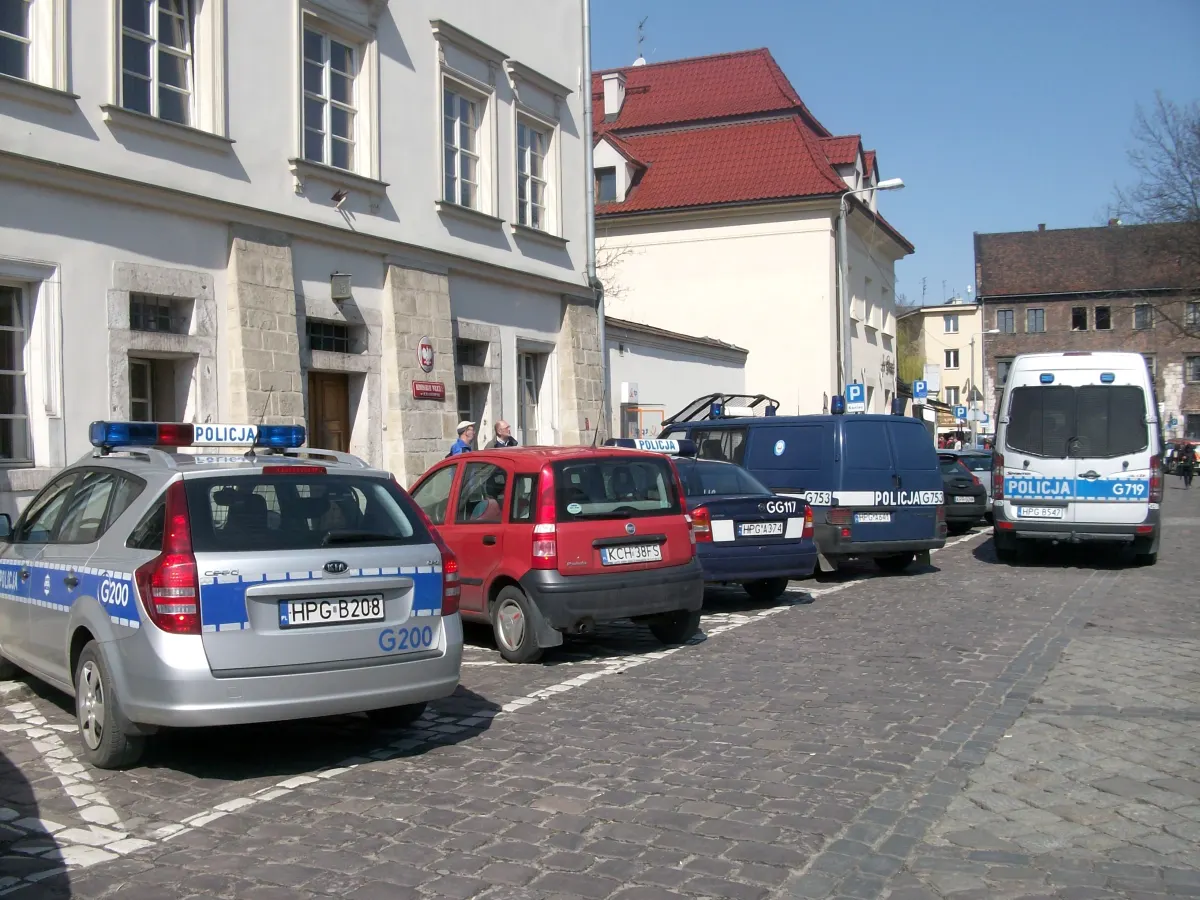
Poland is one of the safer countries in Europe, and violent crime against visitors is rare. Canada and Australia have it at their lowest level (normal precautions). It has had one terrible attack in November 2026, and a war next door.
The attack in Kraków
- On Saturday 7 November 2026 a gunman drove on to Kraków's Main Market Square and shot at people. He killed six and injured at least 15, two of them police officers. The police shot him, and Polish media report that he later died. The interior minister called it a terrorist attack, and said he may have held extreme right-wing views.
- Kraków is open. There are concrete barriers on the streets into the square, more police and cameras, and the Christmas market is going ahead. Warsaw and other cities have put up barriers too.
- If you were affected, your embassy can help, and witnesses are asked to call 112.
Alert levels
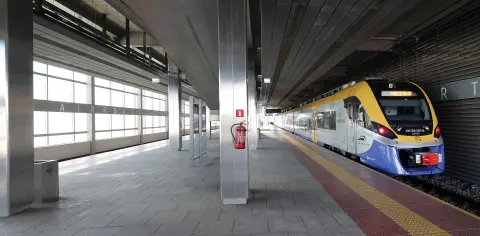
- In November 2026 the whole country was at BRAVO, the second of four terrorism levels, and the railways at CHARLIE, the third, until 30 November. They've been extended many times since sabotage on the railways.
- In practice there are soldiers and bag checks in stations, and unattended luggage is taken away. Leave if you're told to.
The war in Ukraine
Fighting is outside Poland, but missiles and drones have strayed across the border, and several airports closed for hours in September 2025. Check your flight, and keep away from the closed strips: see the eastern borders. The government sends warnings by text.
Theft
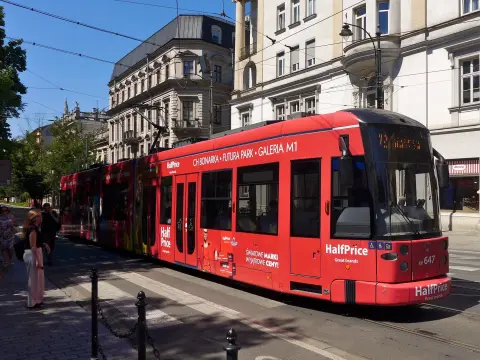
- Pickpockets work in Warsaw's Centralna station, on the trams and buses tourists use (such as 175), on Kraków's square, on night trains, and at Christmas markets.
- Keep your bag shut and in front as you board, when a crowd pushes.
- On night trains lock the compartment.
- Don't leave bags in a car, and lock bicycles with two locks.
- If your passport is stolen, report it to the police: you need the paper for a new one.
Taxis, bars and cash
- Use official taxis or an app, and check the car and driver match. The UK and Canadian governments report sexual assaults in unofficial taxis and in some cars booked by app. Sit in the back, and share your trip.
- Drink spiking and card fraud happen in strip clubs and some bars. Pay by card only when you've read the amount.
- Cash machines and exchange offices: see Money.
People and crowds
- Racist and homophobic attacks are rare but real, mostly by drunk men at night. Move on, and report it.
- Football: rival fans fight. Don't wear club colours, and avoid the stadium trams on match days.
- Demonstrations are common and nearly always peaceful. The biggest is in Warsaw on 11 November: avoid the route unless you mean to join.
Weather and water
- Thunderstorms with hail come on summer afternoons. Lightning killed people on Giewont in 2019.
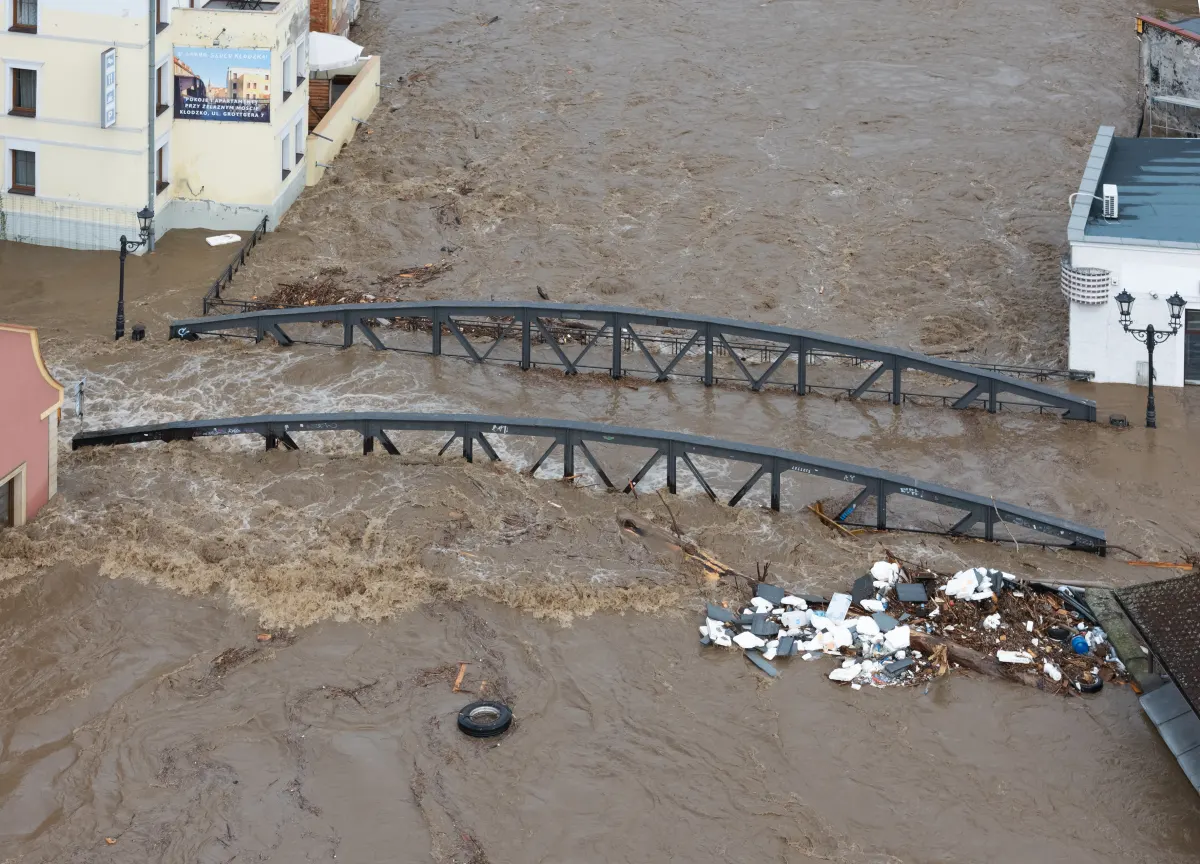
- Floods: in September 2024 they wrecked towns in Lower Silesia, around Kłodzko. Don't drive through water.
- The Baltic has rip currents. Swim between the flags: white is safe, red means no swimming. Lakes are deep and cold. Water rescue is 601 100 100.
- In the mountains read Tatra hiking and safety.
Laws that catch visitors
- Any drug, cannabis included, can mean prison. Airports screen transit bags too.
- Drinking in the street, and crossing on red, are fined.
- Don't photograph military sites. Drones need registration, and are banned in all national parks without a permit.
Emergency numbers
112 for everything, in English. 999 ambulance, 998 fire, 997 police. Mountains 985 or 601 100 300. Water 601 100 100.

Main Market Square, Kraków
One of the largest medieval squares in Europe, at the heart of Kraków's old town, with the Renaissance Cloth Hall (Sukiennice) in the middle, full of…
Comments