
Visiting Auschwitz-Birkenau: booking a named entry pass, guided and free visits, prices, rules, bags and getting there
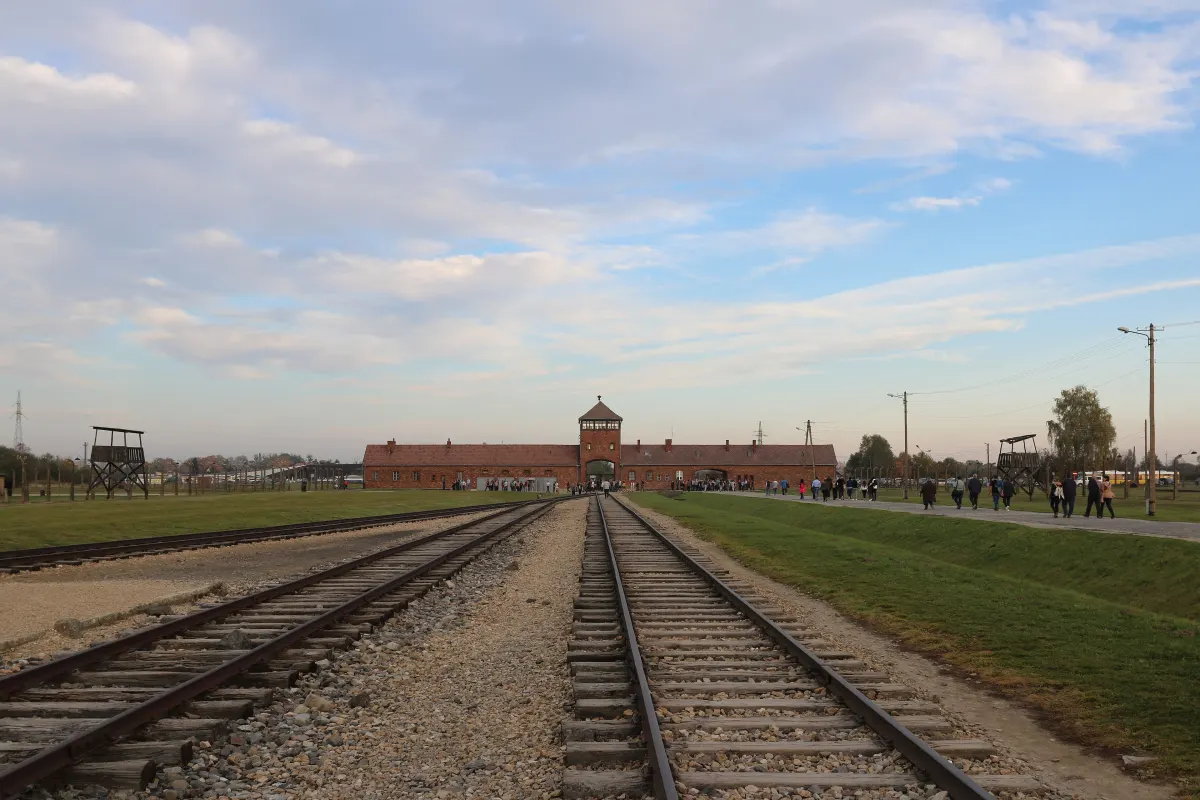
More than 1.1 million people, most of them Jews, were murdered at Auschwitz-Birkenau by Nazi Germany. It's a cemetery and a memorial, so it runs on strict rules, and you need to book before you come. Everything here is from the museum's own pages and its rules of 1 July 2026.
Book on the official site only
- Everyone needs an entry pass, from visit.auschwitz.org. No other site is official. The museum says no passes are available at the entrance. Its rules allow a machine to sell leftover guided places on the day, but don't count on one.
- Bookings open 90 days ahead. A day's new places appear at 12 noon, Polish time. From April to October the English tours go weeks ahead.
- Passes carry your name, and you must show the passport or identity card it matches. They can't be changed or refunded for individuals, or resold.
- If it's full: look again in the last days, as places come back, and guided ones are sold until shortly before the start. Try another language, or stay a night in Oświęcim and take an early tour. Tours from Kraków have their own places. Check that the price includes the museum's guide.
With a guide
- For most of the day individuals can enter only on a tour with one of the museum's educators.
- The general tour takes about 3½ hours and covers both camps, with headphones and the bus between them.
- 2026 price: 150 zł in a foreign language (140 zł reduced, for students under 26 and people over 75), 140 zł in Polish (130). The 2027 list wasn't out in November 2026.
- English is the most frequent: hourly from 8.30 am to 12.30 pm in November, and more often in summer.
- A six-hour study tour in English, for people who want more, is 190 zł.
Without a guide: free, and late
- A free pass lets you in on your own only from: 1 pm in December, 2 pm in January and November, 3 pm in February, 4 pm in March and October, and 5 pm from April to September.
- The museum's page says to book it at least seven days before.
- Read the guidebook first. Audio guides and guide apps are banned.
Opening hours
- Every day except 1 January, 25 December and Easter Sunday, from 7.30 am. The last entry is at 2 pm in December, 3 pm in January and November, 4 pm in February, 5 pm in March and October, 6 pm in April, May and September, and 7 pm in June, July and August. You can stay 90 minutes after that.
- Be there 30 minutes early for the security check. If you miss your tour there's no refund.
- Some blocks close for conservation: see the notices on auschwitz.org.
Rules
- Bags no bigger than 35 × 25 × 15 cm. Leave others in your vehicle, or in the paid lockers.
- Dress and behave as you would at a funeral. No food, alcohol, smoking or vaping.
- Photos for yourself are allowed without flash or stands, but never in the room with the victims' hair (Block 4, room 5) or the cellars of Block 11. Don't photograph the security checks, or record the guide. Think before you take a picture of yourself here.
- No phone calls in buildings or by Block 11. No drones.
- Don't leave your group on a guided tour.
- Prams can't go into buildings. Wheelchairs can reach the ground floors only, and can be borrowed free.
Children
The museum recommends the visit only for those aged 14 and over.
The two camps
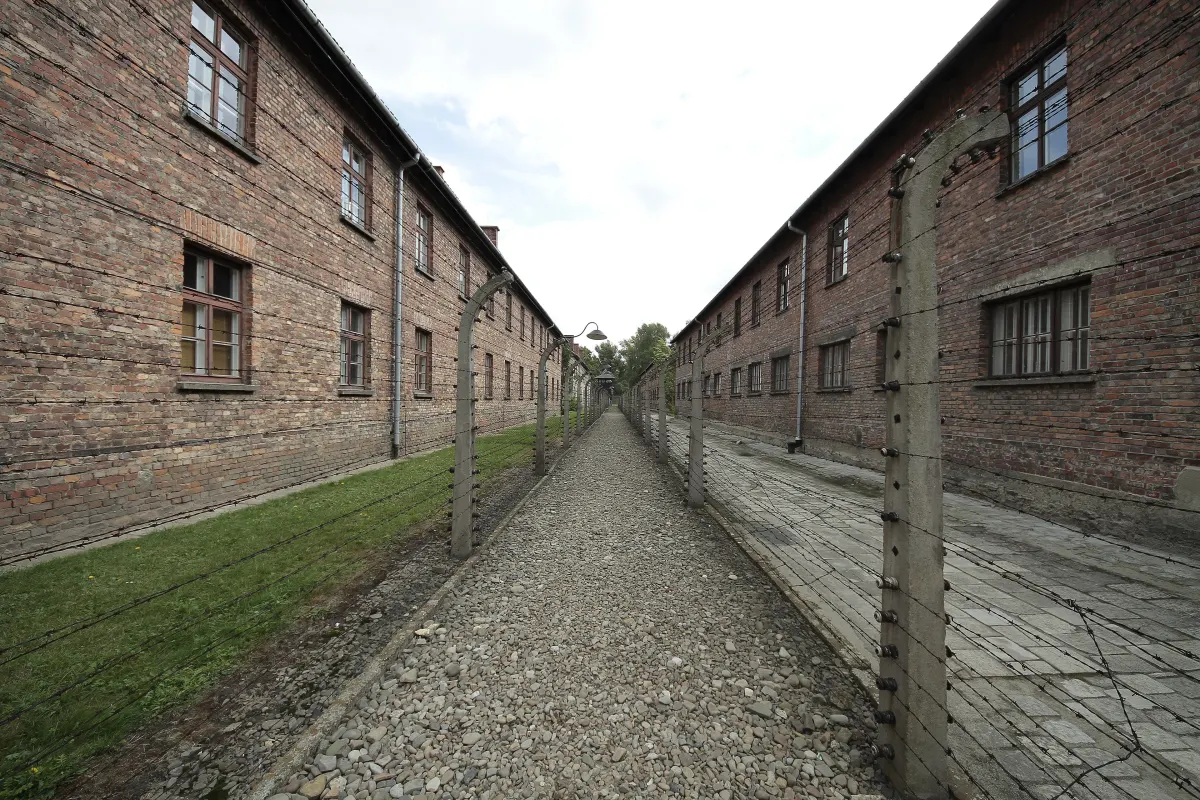
- Auschwitz I: the brick barracks, with the exhibitions. Every visit starts here. Allow 90 minutes at least.
- Auschwitz II-Birkenau: the huge site 3.5 km away, with the gate, the ramp and the ruins of the gas chambers. Another 90 minutes, in the open: bring water, a hat or an umbrella, and warm clothes in winter. The bus between them runs often.
Getting there
- The entrance is the Visitor Services Centre, 55 Więźniów Oświęcimia street, Oświęcim.
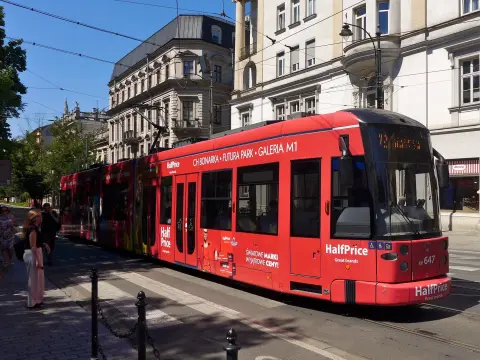
- Coach: Lajkonik from Kraków's bus station straight to the car park, about 1½ hours. Book a seat.
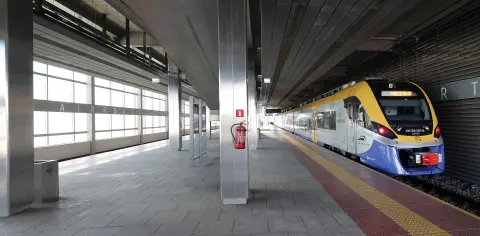
- Train: from Kraków or Katowice to Oświęcim, then a walk of about 1.5 to 2 km, or a local bus.
- Car: about an hour and a quarter from Kraków. Paid car parks at both camps.
- Buy your way back before you go in, and leave an hour spare.
Afterwards
Don't plan anything cheerful for the evening. The Auschwitz Jewish Center, in the town's last synagogue, tells of the people who lived in Oświęcim before. See also POLIN in Warsaw.

Historic sites
Auschwitz-Birkenau Memorial
Oświęcim, Lesser Poland
The largest Nazi German concentration and extermination camp, where more than 1.1 million people, most of them Jews, were murdered.

Comments