
Culture and manners in Poland: greetings, visiting a home, churches, name days, sensitive history and things not to say
Poles can seem reserved with strangers: people don't smile at everybody in the street. Once you've been introduced they're warm, generous and funny, and hospitality is taken seriously.
Greetings
- Say dzień dobry (good day) when you go into a shop, lift, compartment or waiting room, and do widzenia as you leave. Cześć is hi and bye, only for friends.
- Shake hands, with eye contact. Some older men kiss a woman's hand. Don't shake hands across a doorway: it's bad luck.
- Use Pan (Mr) and Pani (Mrs, Ms) with adults you don't know. Young people are quick to use first names.
In somebody's home
- Bring flowers, an odd number and not chrysanthemums (they're for graves), or chocolates or wine.
- Take off your shoes unless told not to. You may be lent slippers.
- There will be too much food. Take a little, praise it and leave room. Wait for smacznego (enjoy your meal).
- Name days (imieniny) are celebrated like birthdays, and wishes are wszystkiego najlepszego (all the best).
Church
- Most Poles are Catholic, and churches are in use. Cover your shoulders, take off your hat, and don't walk round during Mass.
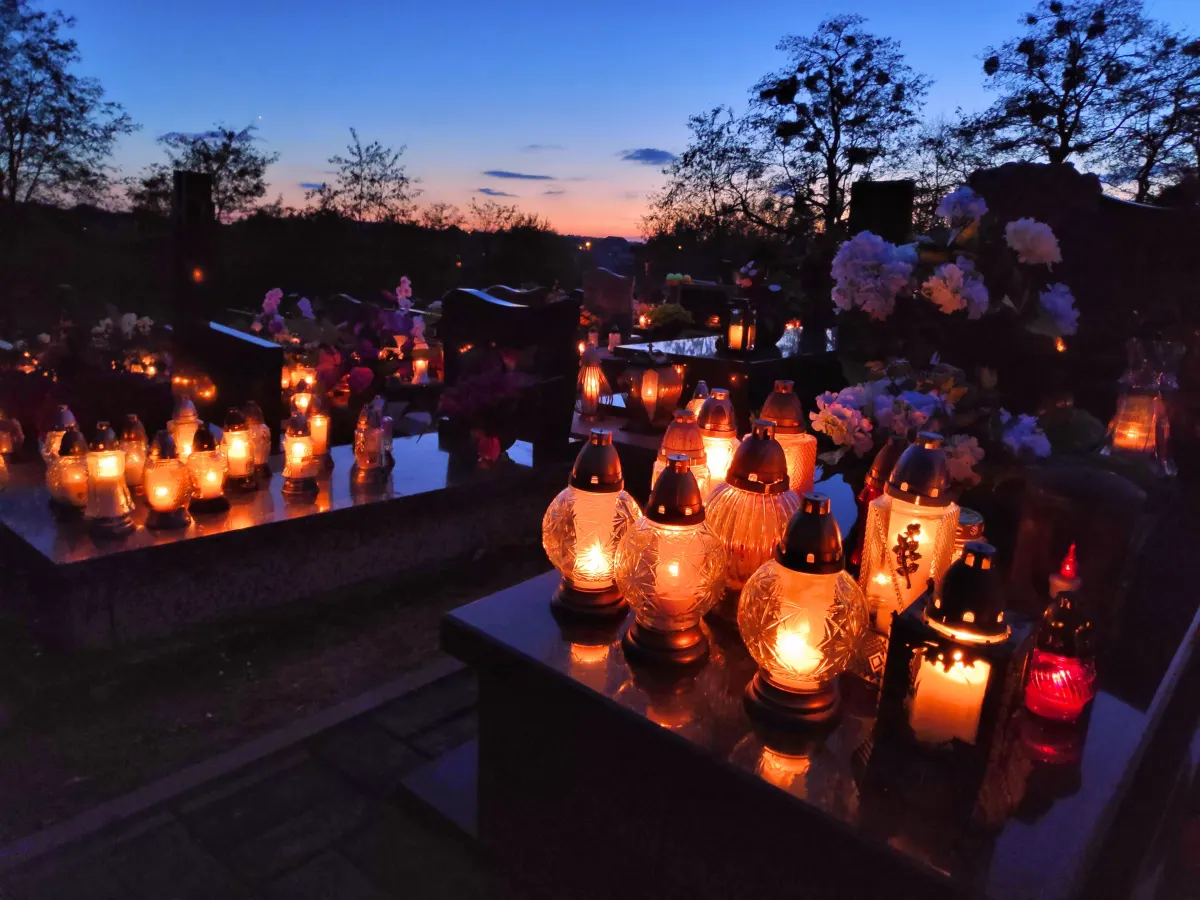
- All Saints, 1 November, fills cemeteries with candles. Visiting one after dark is unforgettable. Be quiet and don't photograph families.
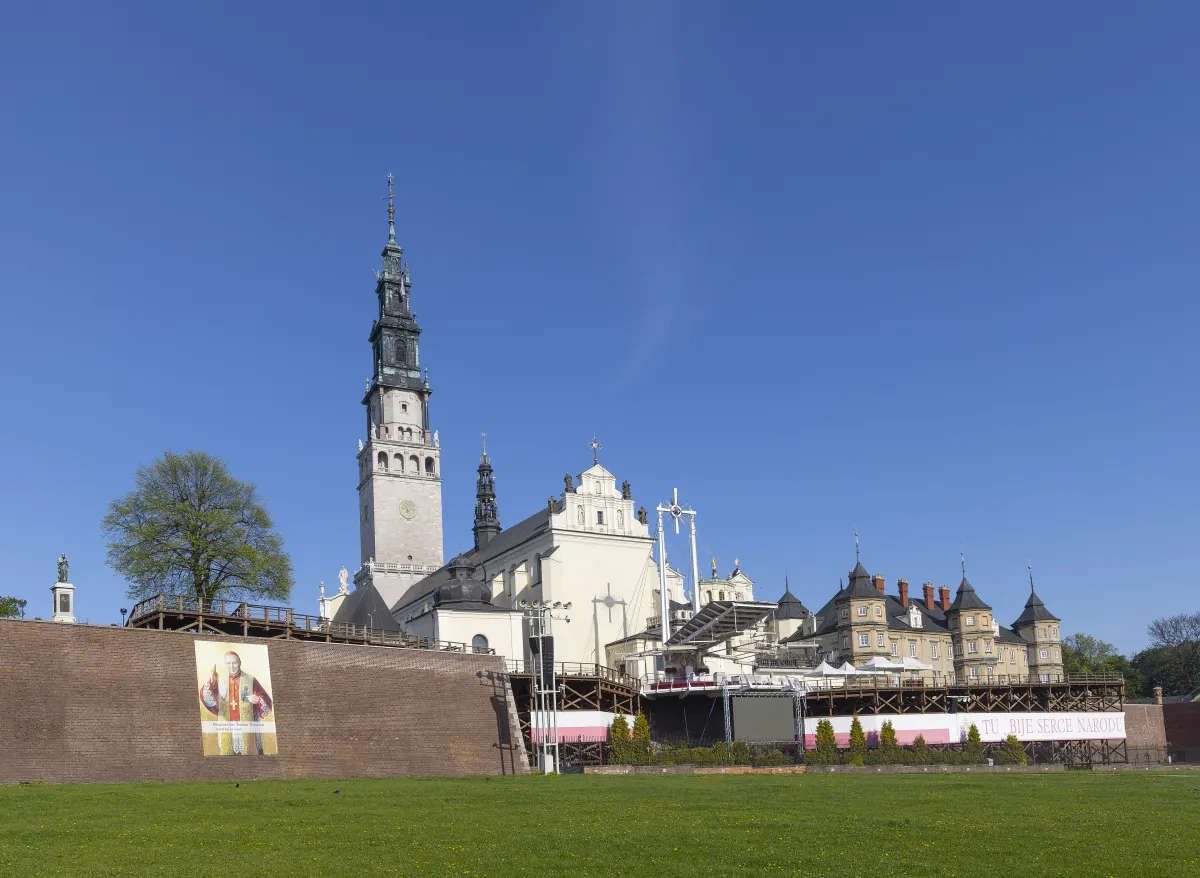
- Pilgrims walk to the Black Madonna of Częstochowa, above all for 15 August.
- Corpus Christi processions close streets.
In public
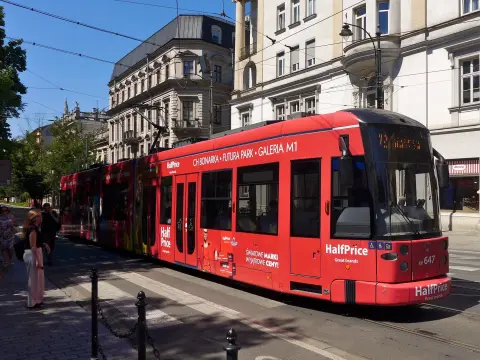
- Give up your seat on a tram to older people, and keep your voice and phone down.
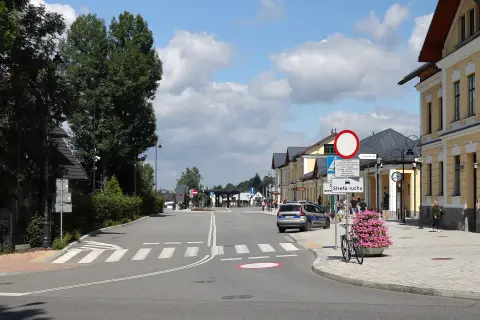
- Wait for the green man: others do, and you can be fined.
- Queue. At a post office or clinic take a number, or ask who's last (kto ostatni?).
- Smoking is banned indoors in public places, at stops and on many beaches. Drinking in the street is banned too: see Vodka and drink.
History
- About six million Polish citizens, half of them Jewish, were killed in the Second World War. Never say "Polish camps": they were German Nazi camps in occupied Poland.
- Don't confuse the two Warsaw uprisings: the Ghetto Uprising was in 1943 (see POLIN), and the Warsaw Uprising in 1944 (the Rising Museum). On 1 August at 5 pm sirens sound and Warsaw stands still for a minute. Stand still too.
- Poles think of themselves as in Central Europe. Don't lump Poland in with Russia, or the language with Russian.
- Communism, the Church, abortion and politics split families. Listen first.
- Displaying Nazi or other totalitarian symbols is a crime. Insulting the national symbols is too.
- At memorials dress and behave quietly. See Auschwitz.
Who may have trouble
- Same-sex relations are legal, but there's no same-sex marriage or civil partnership. Cities are relaxed and villages conservative. Public affection can draw stares or worse.
- Racist abuse happens, though rarely to visitors. See Safety.
A little Polish
- Dziękuję ("jen-KOO-yeh"): thank you. Proszę ("PRO-sheh"): please, here you are. Przepraszam ("psheh-PRA-sham"): sorry, excuse me. Tak, nie: yes, no.
- Letters: w is v, ł is w, c is ts, cz is ch, sz is sh, j is y, ó is oo. So Łódź is "woodge" and Wrocław "VROTS-waf".
- Young people mostly speak English. Older ones may know Russian or German. Try a few words of Polish first.
Attractions
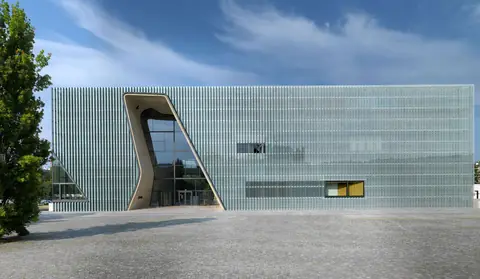
POLIN Museum of the History of Polish Jews, Warsaw
Warsaw, Mazovia
A thousand years of Jewish life in Poland, in a striking building in the former ghetto, with a recreated painted wooden synagogue ceiling.
Attractions
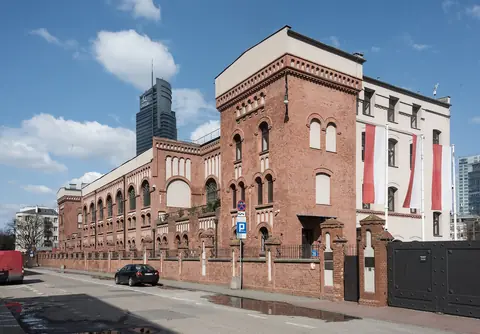
Warsaw Rising Museum
Warsaw, Mazovia
The 1944 uprising against German occupation, in a former tram power station, with a replica sewer and a 3D film of the ruined city.
Comments