
Health in Poland: doctors, pharmacies and insurance, ticks, vaccinations, medicines, tap water, algae and winter smog
Poland has good doctors, modern private clinics and pharmacies on every corner. The health risk most visitors overlook is ticks.
If you're ill
- Emergency: call 112 or 999. Hospitals' emergency department is the SOR. Waits are long for anything that isn't urgent.
- Evenings, nights and weekends: go to the nocna i świąteczna opieka zdrowotna (night and holiday care) clinic. Every town has one.
- By day: private clinics, such as Medicover, LUX MED and Enel-Med, see you the same day, in English, for about 200 to 350 zł.
- The health fund's information line is 800 190 590.
- In the country few hospital staff speak English.
Paying
- EU visitors with an EHIC, and UK visitors with a GHIC or EHIC, get the same public care as Poles. It isn't a substitute for insurance, and doesn't cover private clinics or a flight home.
- Everybody else pays, often first. Have insurance with medical evacuation. If you'll hike near the Slovak border, it should cover helicopter rescue, as Slovakia charges for it.
Pharmacies
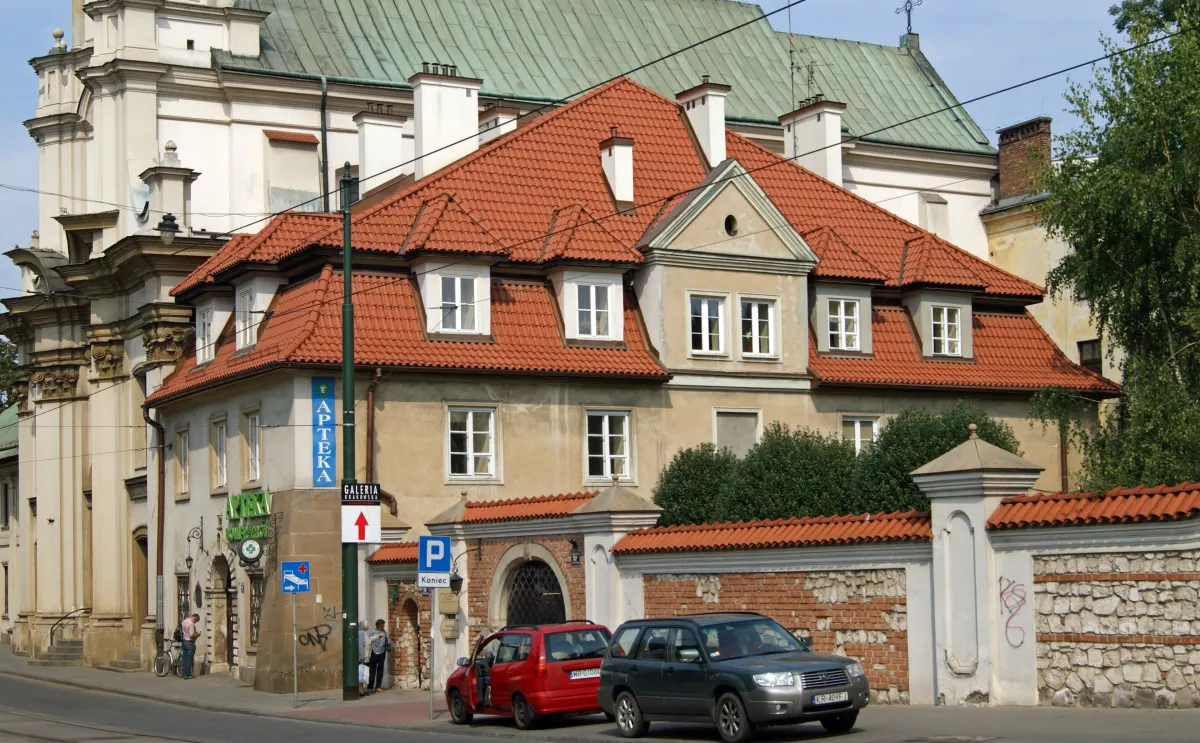
- An apteka has a green cross. Pharmacists advise well, and usually speak English.
- Painkillers and cold remedies are sold in shops and petrol stations too. Antibiotics need a prescription.
- Most are closed on Sundays. Look for a 24-hour one (całodobowa) or the list of those on duty (dyżur) on the door.
- Emergency contraception needs a prescription, though some pharmacists can write one.
Ticks
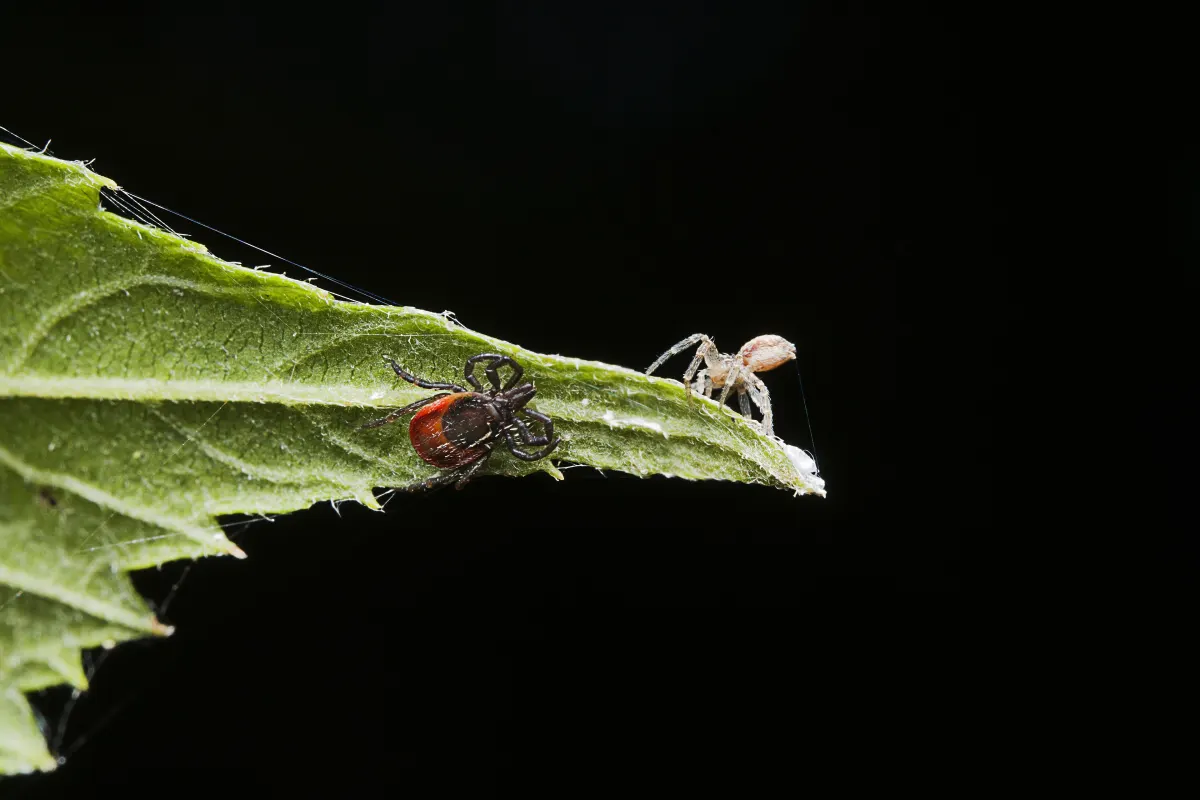
- They live in forest, long grass, city parks and gardens everywhere, from about March to November.
- Tick-borne encephalitis is a brain infection with no cure. Cases have risen, and the north-east (Białowieża, Mazury, Biebrza) has the most. There's a vaccine: ask a doctor months ahead, as it takes two or three doses. It isn't sold in every country.
- Lyme disease is much commoner and is treated with antibiotics. Watch for a growing red ring, or fever, in the weeks after.
- Wear long trousers and use repellent. Check your whole body every evening, and pull a tick straight out with tweezers, at once.
Vaccinations
None is required. Be up to date with the usual ones, including measles. Canada's government recommends hepatitis A for some travellers. Rabies has occurred in foxes and bats, above all in the east, so don't touch wild animals, and see a doctor at once after a bite.
Your medicines
- Bring enough, in the original packets, with a copy of the prescription.
- Narcotic and psychotropic medicines, such as strong painkillers and some for ADHD or anxiety, need papers: a Schengen certificate from your doctor, or permission from the Chief Pharmaceutical Inspectorate. Ask well ahead.
Water
- Tap water is safe everywhere on a public supply.
- In hot summers blue-green algae close beaches on lakes and the Baltic, especially the Bay of Puck. A red flag or a notice (sinice) means keep out, dogs too.
Air
- In winter, smoke from stoves makes bad smog on still, cold days. Kraków has banned coal and wood fires since 2019 and is much better, but the valleys around it, Nowy Targ and Silesia aren't. Check the Airly app if you have asthma.
Heat and cold
Summers reach 35 °C, and many older rooms have no air conditioning. In January it can be −15 °C or less in the east and the mountains: bring real boots. Pavements are icy.
See also Tatra hiking and safety.

Comments