Country guides
A week in the Algarve: Tavira, the Ria Formosa, Benagil, Lagos and Sagres, by car or train
The Algarve is two coasts in one: lagoons, sandbanks and quiet old towns in the east, and golden cliffs, coves and surf in the west.
Portugal is in the Schengen area, the group of European countries with no routine passport checks between them.
The Atlantic is the most dangerous thing in Portugal, and the most beautiful.
At 2,351 m, Pico is the highest mountain in Portugal, a black cone straight out of the sea.
Portuguese people are polite, quiet and patient with visitors.
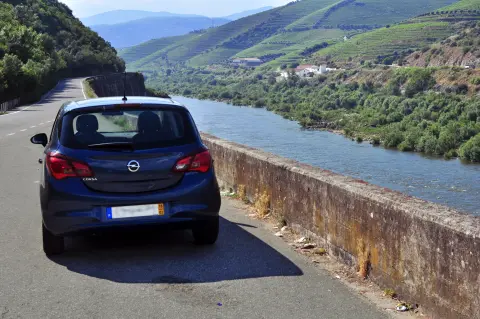
Roads are good, and the motorways often nearly empty.
The north is where Portugal began: granite towns, baroque staircases, the country's only national park, and the steepest vineyards you've seen.
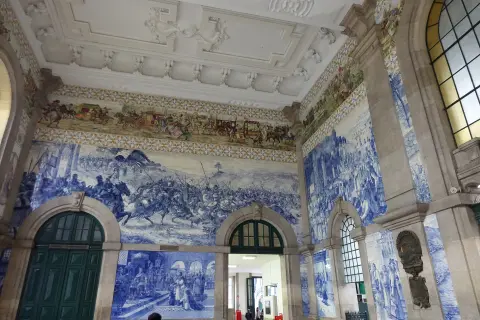
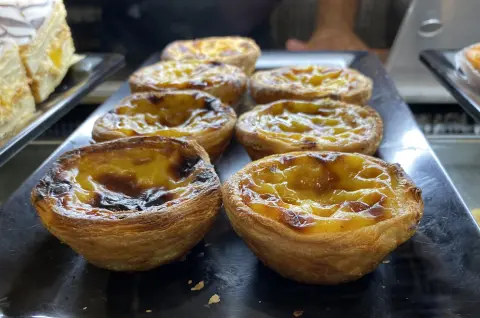
Tiles, viewpoints, custard tarts, a fairytale palace and port by the river: eight days is enough for the best of Portugal's two great cities and what…
Every town has a saint, and every saint has a party: sardines, paper garlands, a procession and fireworks.
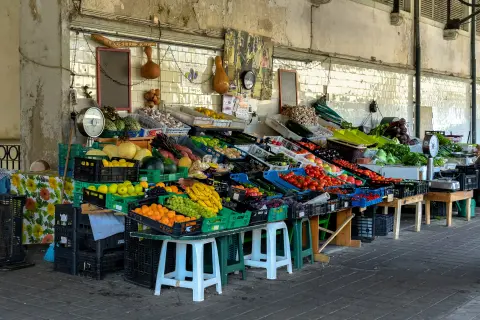
Portuguese cooking is simple and generous: grilled fish, slow stews, good bread, olive oil and eggs.
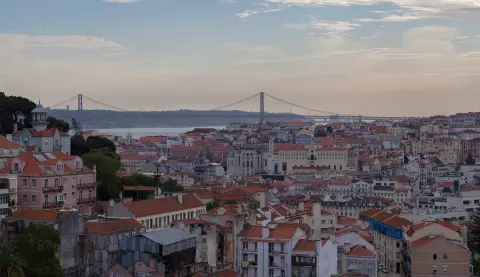
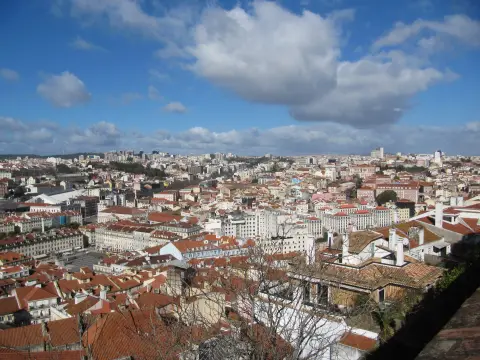
Lisbon is steep, but the centre is small.
You can walk across the old centre of Porto in 20 minutes, though you'll know about the hills.
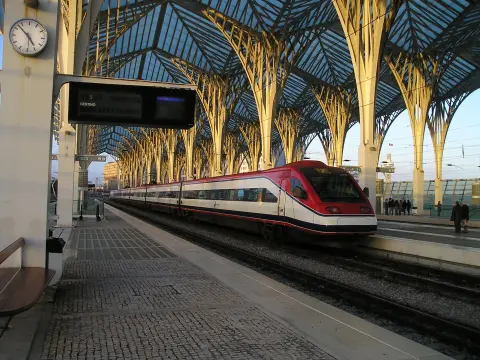
Portugal is small. Trains link Lisbon, Coimbra, Porto and the Algarve well and cheaply, and coaches go nearly everywhere else.
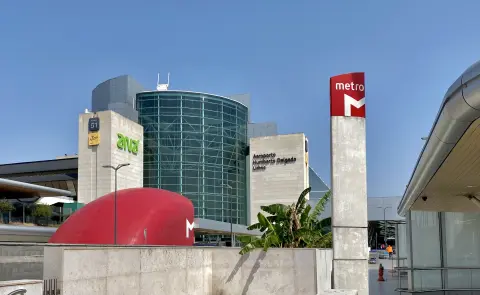
Lisbon's and Porto's airports are on the metro, and no airport is far from its town.
Both groups of islands are reached by plane.
Portugal has good health care and no unusual risks.
Madeira's walks go along levadas, old irrigation channels through laurel forest, and up to the peaks.
Several of Lisbon's museums closed for works paid for by EU recovery funds, and they're opening again one by one.
Portugal is relaxed, but some rules are enforced, above all in the Algarve's resorts, on beaches and in the forest.
Portugal uses the euro. Cards work nearly everywhere, tips are small, and it's still good value for western Europe, though Lisbon and Porto have beco…
Portugal has two toll systems, and the second catches visitors out: on some roads there's no booth and nobody to pay.
Pena Palace, the Jerónimos Monastery, Belém Tower, the Joanina Library and the Livraria Lello work by time slot.
The Azores are green volcanoes 1,500 km out in the Atlantic, with lakes in craters, stew cooked in the ground, and whales offshore.
Coverage is good, Wi-Fi is everywhere, and English is widely spoken, especially by younger people.
Portugal is one of Europe's safest countries, and violence against visitors is rare.
Many towns charge a taxa turística per person per night, usually paid at check-in on top of the price.
The little fortress on the Tagus that guarded the way to Lisbon is the city's most photographed building.
The cave with a hole in its roof is the Algarve's most famous sight.
Sintra's palaces stand in a green, misty range of hills 40 minutes from Lisbon, and everyone wants to see them on the same day.
The Jerónimos Monastery, begun in 1501 on the money from the spice trade, has Portugal's finest cloister, all ropes, shells and sea creatures in pale…
Porto's bookshop of 1906, with a crimson staircase that seems to float, gets more visitors than many museums, so you need a ticket to go in.
One of Europe's oldest universities looks down on the Mondego from the top of the hill.
May, June, September and early October are best: warm, dry enough, long days and fewer people.
Portugal has everything from monastery hotels to spotless family pensions.
Fires in summer, storms in winter and, now and then, an earthquake.