
Food and drink in Portugal: meal times, the couvert, what to order by region, coffee, wine and port
Portuguese cooking is simple and generous: grilled fish, slow stews, good bread, olive oil and eggs. The best value is at lunch in a plain tasca with paper tablecloths.
When people eat
- Breakfast: a coffee and a pastry or tosta mista (toasted ham and cheese) standing at a pastelaria counter.
- Lunch: 12.30 to 2.30 pm, the main meal, with a prato do dia at about €9 to €14.
- Dinner: 7.30 to 10 pm, earlier than in Spain. Kitchens in small towns close by 9.30. Book at weekends.
- Many restaurants close on Sunday night and Monday, and family ones for some weeks in August or winter.
How it works
- The bread, olives and cheese that arrive first are the couvert. You pay for what you eat. Send back what you don't want: see Money.
- A dose is often enough for two; meia dose is a half. Main courses come with potatoes, rice, or both.
- Ask for the bill: a conta, por favor. Nobody brings it until you do.
- Restaurants with touts, photos and menus in six languages on the main squares are rarely the good ones.
What to order
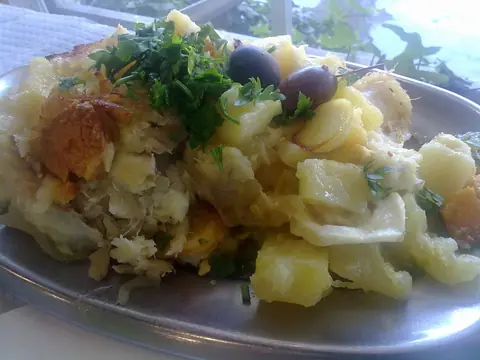
- Bacalhau, salt cod: à Brás with egg and potato straws, com natas with cream, or as fritters.
- Grilled sardines, from June to September, when they're fat. Out of season they're frozen: have sea bream (dourada) or bass (robalo).
- Bifana, pork in a roll with mustard, and prego, the same with steak.
- Caldo verde, kale and potato soup. Soup of any kind is cheap and good.
- Polvo à lagareiro, octopus baked with olive oil and garlic. Arroz de marisco, soupy seafood rice. Amêijoas à Bulhão Pato, clams with garlic and coriander.
- Frango piri-piri, grilled chicken with chilli. Guia, in the Algarve, is famous for it.
By region
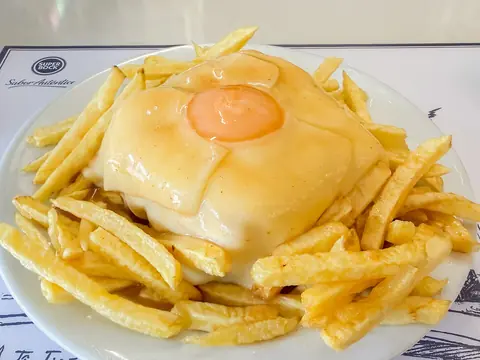
- Porto and the north: the francesinha (don't plan to do much afterwards), tripe (tripas à moda do Porto), kid roasted in the oven, and alheira, a garlicky sausage first made by Jews without pork.
- Centre: suckling pig (leitão) at Mealhada near Coimbra, and runny cheese from Serra da Estrela: cut off the top and use a spoon.
- Alentejo: black pork, bread soup with egg and coriander (açorda), pork with clams, and the best olive oil. Eat in Évora.
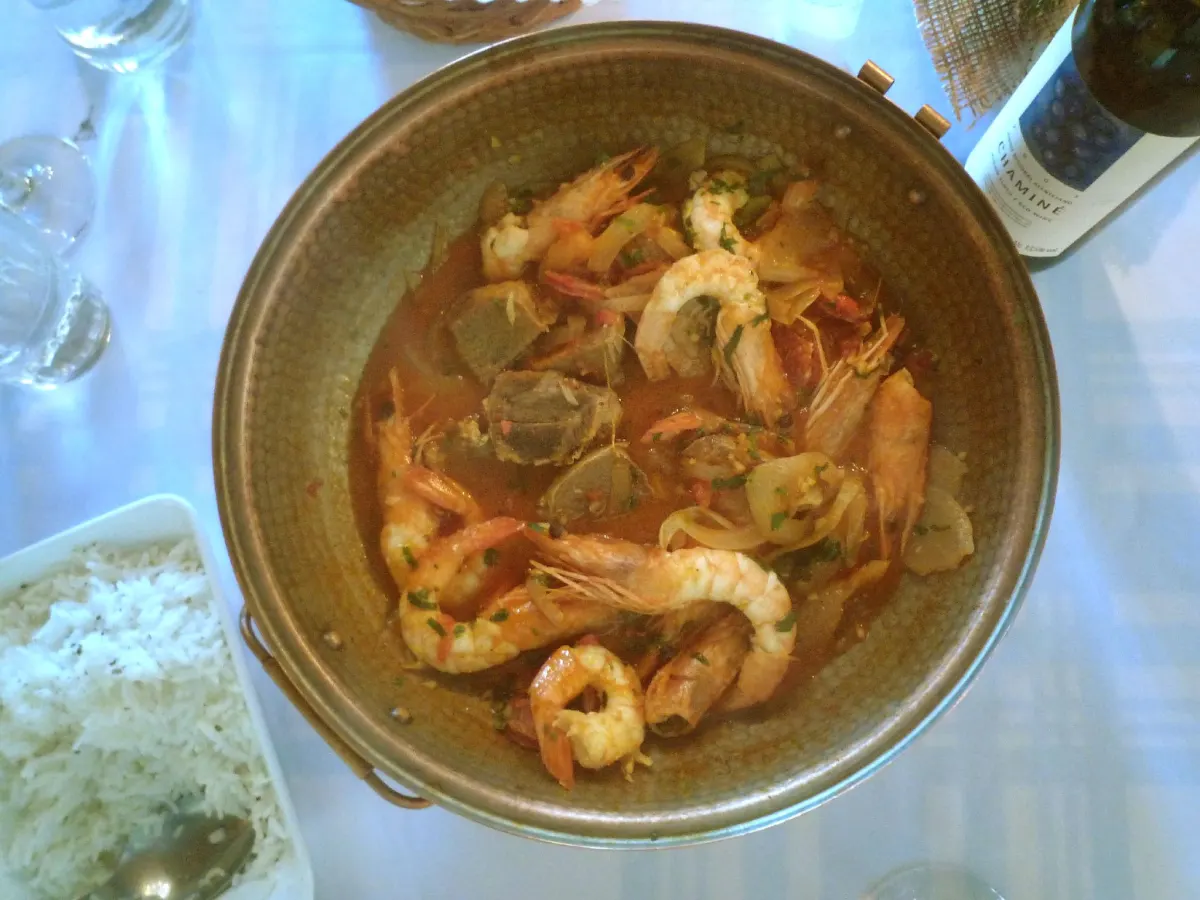
- Algarve: cataplana, fish and shellfish steamed in a copper pan, for two, and oysters and clams from the Ria Formosa.
- Madeira: espetada, beef on a laurel skewer, bolo do caco garlic bread, limpets (lapas) and black scabbard fish with banana.
- Azores: cozido das Furnas, meat and vegetables cooked for hours in the hot ground near Furnas, pineapple from glasshouses, and island cheese from São Jorge.
Sweet things
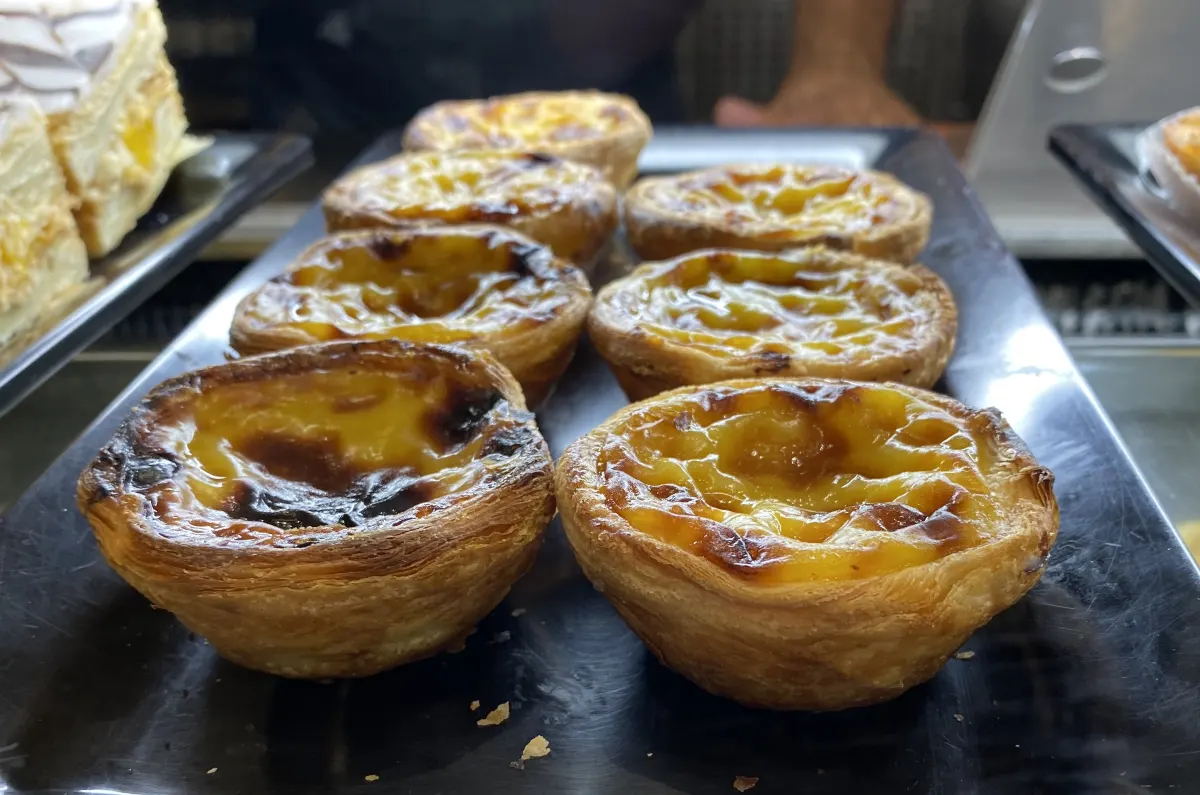
- Pastel de nata, warm, with cinnamon. Then try the rest: queijadas and travesseiros in Sintra, ovos moles in Aveiro, Dom Rodrigo in the Algarve, and almond tarts. Most began in convents, with egg yolks and a lot of sugar.
Coffee
- An espresso is um café (bica in Lisbon, cimbalino for older people in Porto). Pingado: a drop of milk. Meia de leite: like a flat white. Galão: milky, in a tall glass. Descafeinado: decaf. Abatanado: long and black.
Wine and other drinks
- House wine by the jug (jarro) is fine. Vinho verde is light and slightly fizzy. Reds come from the Douro, Dão and Alentejo.
- Port: tour a lodge in Vila Nova de Gaia. White port with tonic is the local aperitif. Madeira wine lasts for years. Ginjinha is cherry liqueur, drunk standing up.
- Beer: Sagres in the south and Super Bock in the north, as an imperial (Lisbon) or a fino (Porto), both a small glass.
- Tap water is safe. Ask for água da torneira; bottled is sem gás or com gás.
- You must be 18 to buy alcohol.
Diets
- Vegetarian and vegan places are easy to find in Lisbon, Porto and the Algarve. In the country, expect omelettes, soup (ask whether there's chouriço in it) and salad. Sou vegetariano (men), vegetariana (women).
- Allergens must be listed: ask for the lista de alergénios. Sem glúten: gluten-free. Nuts, shellfish and wheat flour turn up in many dishes.

Food and drink
Pastel de nata
Lisbon
Flaky custard tarts, best warm with cinnamon and sugar.
Food and drink
Bacalhau (salt cod)
Lisbon
Dried salt cod, said to have 365 recipes.
Food and drink
Francesinha, Porto
Porto
Porto's giant sandwich of meats and sausage, covered in melted cheese and a spicy beer and tomato sauce, with chips.
Comments