
Culture and etiquette in Portugal: greetings, language, manners, dress, fado and bullfights
Portuguese people are polite, quiet and patient with visitors. A greeting before every request goes a long way.
Greetings
- Bom dia until lunch, boa tarde until dark, then boa noite, when you go into a shop, a lift or a waiting room.
- Strangers shake hands. Friends kiss on both cheeks, right one first; men who aren't family shake hands or hug.
- Older people are senhor and senhora (often Dona with the first name). Você can sound rude: use the name, or no pronoun.
Language
- Many people speak English. Don't begin in Spanish: they'll understand it, and not love it. Portugal isn't Spain, and people will be glad if you know that.
- Obrigado if you're a man, obrigada if you're a woman: thank you. Por favor, desculpe (excuse me), com licença (may I pass).
- European Portuguese swallows its vowels. If you learned in Brazil, people will understand you better than you understand them.
Manners
- People queue, sometimes with numbered tickets (senha) at the baker's or the post office. Pregnant women, people with small children, the elderly and disabled have priority by law.
- Keep your voice down on trains and in flats with thin walls. Many Lisbon and Porto neighbours have had enough of wheeled suitcases and stairwell parties: quiet from 11 pm to 7 am.
- Meals are unhurried. Being 10 minutes late to somebody's house is normal.
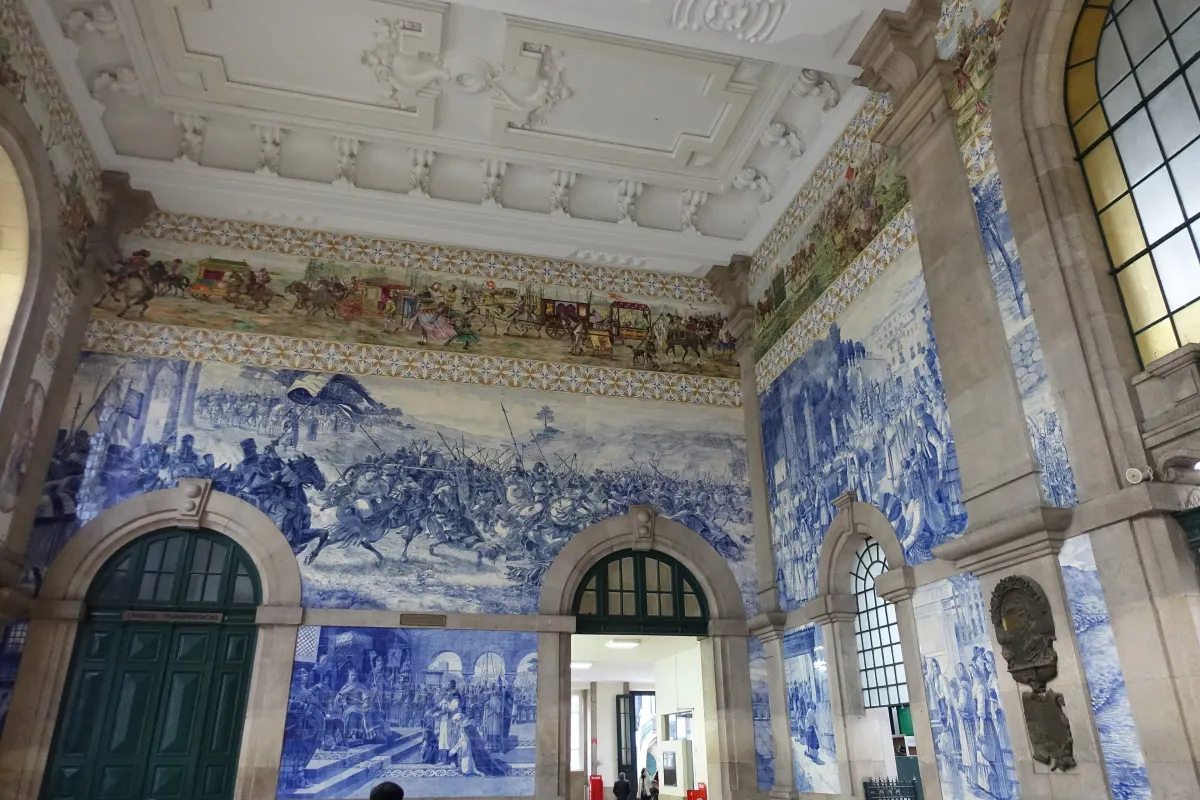
- Don't photograph people at their doors or washing lines in Alfama as if they were scenery, and don't buy or chip loose azulejo tiles: many on market stalls were stolen from walls.
Dress
- Smart casual. In churches, above all at Fátima, cover shoulders and knees, and take off hats. Don't walk about during Mass.
- Swimwear is for the beach. Topless sunbathing is common on many beaches; nudity only on naturist ones.
- Wear shoes with grip. Portuguese pavement (calçada) is polished limestone, lovely and slippery when wet.
Fado
When the lights go down, stop talking. Silêncio, que se vai cantar o fado. No phones or cutlery until the song ends. Applaud in Lisbon; in Coimbra, where men in student capes sing it, the custom is to cough instead. Dinner shows often have a minimum spend: ask first. Small bars in Alfama and Mouraria have amateurs who sing for a drink.
Bullfights
Portuguese bullfights (touradas) still happen in the Ribatejo, Alentejo and Terceira. The bull isn't killed in the ring. Many Portuguese people oppose them.
LGBT+ travellers
Portugal is one of Europe's easier countries for LGBT+ travellers: same-sex marriage has been legal since 2010. The village may stare a little.
See also Festivals, Local laws and Food and drink.

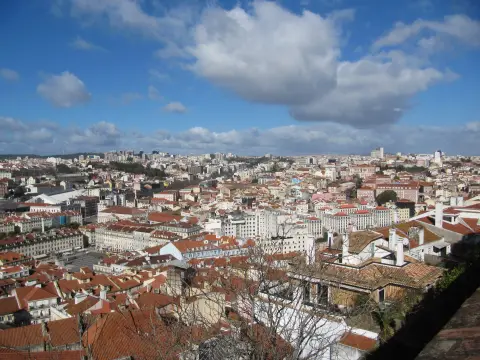
Alfama and Tram 28, Lisbon
Lisbon's oldest district, a maze of steep, winding streets and stairways below the São Jorge Castle, which survived the great earthquake of 1755.


Comments