
Money in Portugal: cards, Multibanco cash machines, tipping, what things cost and tax-free shopping
Portugal uses the euro. Cards work nearly everywhere, tips are small, and it's still good value for western Europe, though Lisbon and Porto have become dear for rooms.
Cards
- Contactless Visa and Mastercard are taken in shops, restaurants, taxis and at the Lisbon metro gates. American Express less so.
- Some small cafés, bakeries and old shops accept only Portuguese Multibanco cards or cash, whatever the machine looks like. Ask aceita Visa? and carry €30 to €50.
- If the terminal offers to charge you in your own currency, choose euros.
- MB Way is the app Portuguese people use to pay each other. You need a Portuguese bank account.
Cash machines
- Use the blue-and-white Multibanco (MB) machines, usually at a bank. They don't charge a fee themselves, though your own bank may.
- Avoid Euronet and similar machines in tourist streets: high fees and bad exchange rates.
- Refuse the machine's conversion. The limit is usually €200 to €400 at a time.
Tipping
- Tipping is the customer's choice, and the consumer association DECO says so. In a café, leave small change or nothing. After a good meal, round up, or leave up to 5 to 10%.
- Restaurants in tourist areas have begun to print a suggested tip on the bill or show it on the card machine. You can leave it off. If the price list states a fixed service charge, though, you have to pay it.
- Taxis: round up. Porters: a euro a bag. Guides: a few euros. "Free" walking tours live on tips: about €10 is usual.
The restaurant bill
- Bread, olives, cheese and fish paste put on your table are the couvert, and each costs money, from €1 to several euros. You don't have to accept them. The law says you can't be charged for a couvert you didn't ask for or didn't touch, and the notice should be on the menu. Say não, obrigado (or obrigada if you're a woman) and have it taken away.
- Fish is often priced by the kilo. Ask to see it weighed, and what it will come to.
- A coffee may cost more at an outdoor table than at the bar.
What things cost (2026, rough)
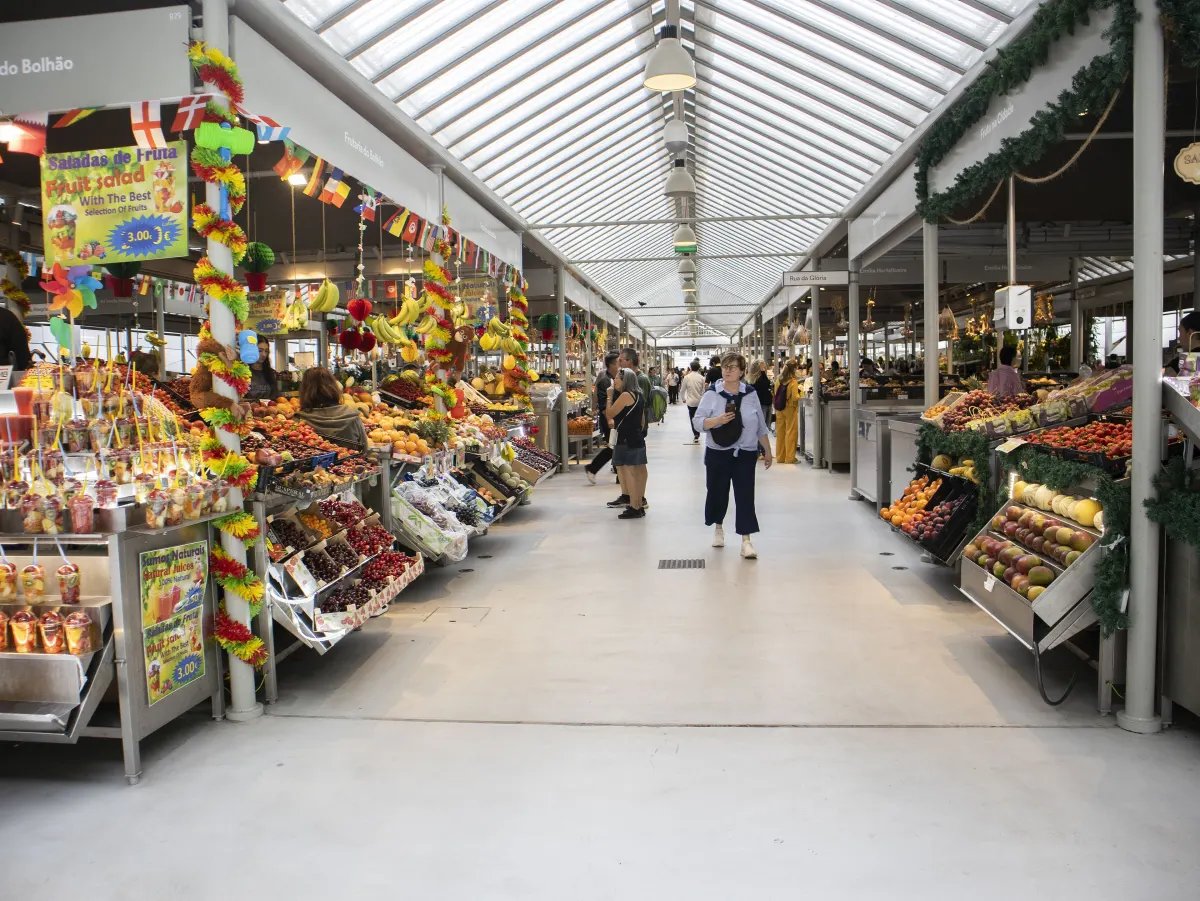
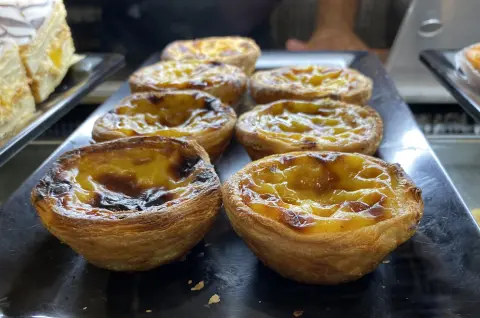
- Espresso €1 to €1.50 in a local café, a pastel de nata €1.30 to €1.80, a bifana €3 to €5, a glass of house wine €2 to €4.
- Dish of the day at lunch €9 to €14. Dinner for two in a simple restaurant with wine €35 to €60.
- Hostel bed €18 to €40. Double room €70 to €120 in a small town, €110 to €220 in Lisbon, Porto or the summer Algarve.
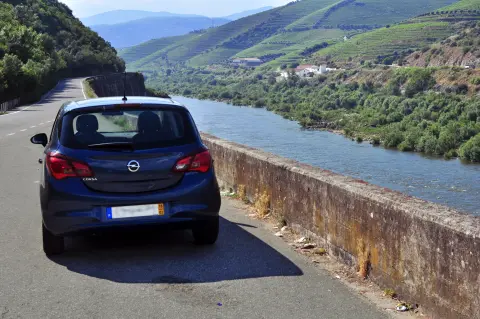
- Lisbon to Porto by train €12 to €36. Hire car from €25 a day in winter, two or three times that in August.
- Tourist tax is extra: €4 a night each in Lisbon, €3 in Porto. See Tourist tax.
Saving money
- Eat the main meal at lunch: look for prato do dia or menu. One dose often feeds two, and meia dose is half.
- Free Sundays at national museums and monuments are for people who live in Portugal. Visitors pay, unless the Lisboa Card covers it. The card pays off if you see two or three big sights a day.
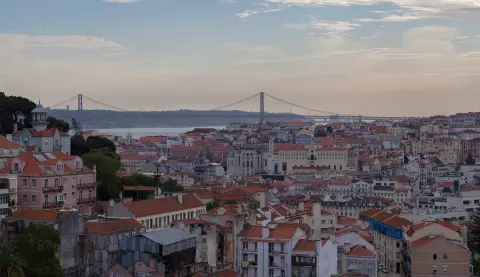
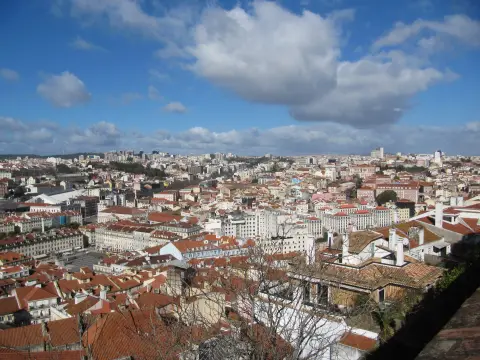
- Miradouros (viewpoints), beaches, churches and the upper deck of the Luís I bridge are free.
Tax-free shopping
If you live outside the EU you can get back VAT (IVA, 23% on most goods on the mainland, less in Madeira and the Azores) on purchases over a minimum in one shop. Show your passport, get the tax-free form, and validate it on an e-Taxfree machine at the airport before you check the goods in.
Opening hours
Banks open on weekdays, about 8.30 am to 3 pm. Shops usually 10 am to 7 pm, and shopping centres until 10 or later, every day. Small shops close for lunch, on Saturday afternoon and on Sunday.
See also Food and drink.
Comments