
Nine days in the Azores: São Miguel, Pico and Faial
The Azores are green volcanoes 1,500 km out in the Atlantic, with lakes in craters, stew cooked in the ground, and whales offshore. Three islands in nine days is about right. Don't try more: clouds decide what you see.
Map of the route
Day 2: Ponta Delgada to Sete Cidades, Mosteiros and Ferraria, about 48 km
Day 3: Lagoa do Fogo, Caldeira Velha, Ribeira Grande and Gorreana, about 46 km
Day 4: Furnas and Nordeste, about 79 km
Flight from São Miguel to Pico, about 256 km
Pico: round by Lajes and São Roque, about 80 km
To the Mount Pico mountain house, about 18 km
Ferry from Madalena to Horta, about 8 km
Faial: the Caldeira and Capelinhos, about 16 km
Horta to Capelinhos, about 22 km
Click a dot for the place. Labels show where you spend each night. Dashed lines are the flight and the ferry. The flight home is not drawn. Route from OpenStreetMap (© OpenStreetMap contributors, ODbL).
Before you go
- When: May to early October, best in June, July and September. See When to go.
- Flights (more in Getting to the Azores): TAP and Azores Airlines from Lisbon and Porto to Ponta Delgada, also to Horta and Pico from Lisbon. Ryanair no longer flies to the islands. SATA Air Açores links them, so book those flights early for July and August, and leave a spare day before you go home.
- Hire cars run out in summer: reserve on each island before you book rooms.
- Pico: book the climb, see Climbing Mount Pico. Pack a raincoat, walking boots, a swimsuit and a warm layer.
- If the forecast is bad, swap days. The webcams on SpotAzores show which lake is clear.
Day 1: Ponta Delgada
Pick up the car, and walk the black and white pavements, the city gates and the pineapple glasshouses. Have limpets for dinner.
Day 2: Sete Cidades and the west
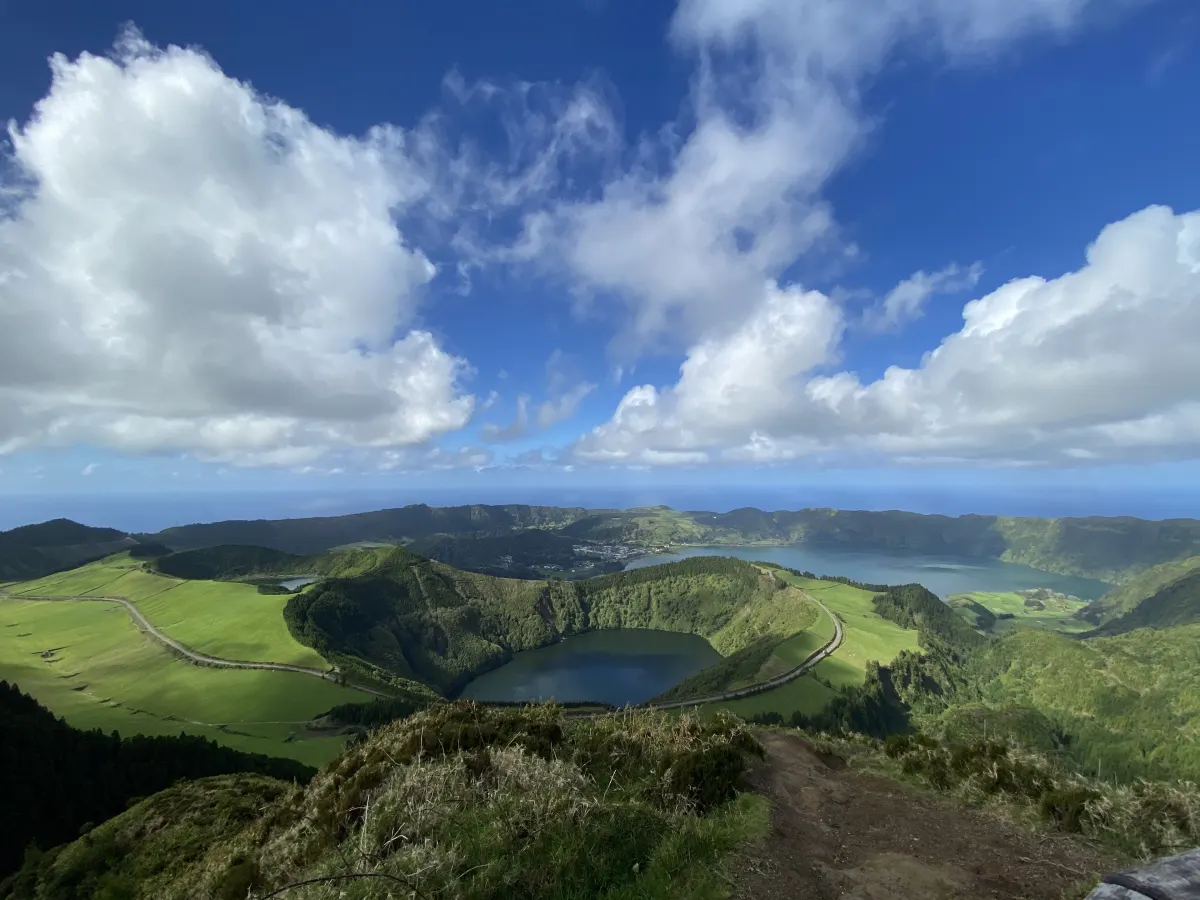
The twin lakes of Sete Cidades: the Vista do Rei viewpoint, the short walk to Boca do Inferno, and part of the crater rim. Then swim at Ferraria, where a hot spring comes up in the sea, at low tide and only when it's calm, and at the Mosteiros rock pools.

Sete Cidades, São Miguel, Azores
Twin lakes, one green and one blue, filling a huge volcanic crater on the island of São Miguel in the Azores.
Day 3: Lagoa do Fogo and the north coast
The wild lake of Lagoa do Fogo (by shuttle bus in the daytime in summer), the hot pools of Caldeira Velha (book), the tea plantation at Gorreana, and Ribeira Grande.
Day 4: Furnas
Steaming vents by the lake, cozido lifted out of the ground at about noon, the garden and rust-coloured pool of Terra Nostra, and the Salto do Prego waterfall or the far eastern viewpoints of Nordeste. Wear an old swimsuit: the iron stains. Book the hot pools of Poça da Dona Beija.
Day 5: Whales, and fly to Pico
A whale-watching trip in the morning, with a biologist, from about April to October. Take a company that keeps its distance. Fly to Pico in the late afternoon (about 50 minutes), and stay in Madalena. Don't dive before flying.
Day 6: Vineyards and lava
The vines of Criação Velha grow in thousands of little black stone pens, a UNESCO World Heritage Site, with a red windmill above. Taste the wine in Madalena. See the lava tube of Gruta das Torres (book, with a guide) and the whaling museum at Lajes.
Day 7: Mount Pico, or the lakes
Mount Pico, 2,351 m, Portugal's highest mountain: from the mountain house at 1,200 m, about 7 hours up and down, steep and rough, only in good weather. If not, drive the EN3 road across the plateau of lakes and cows, and swim at São Roque or Cachorro.
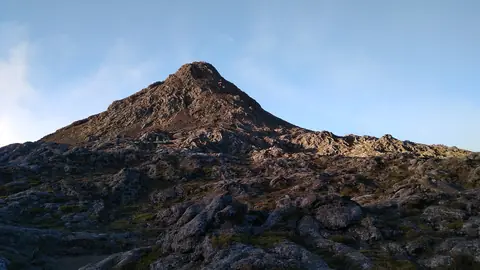
Mount Pico, Azores
Portugal's highest mountain (2,351 m), a volcano climbed in about 7 hours return.
Day 8: Faial
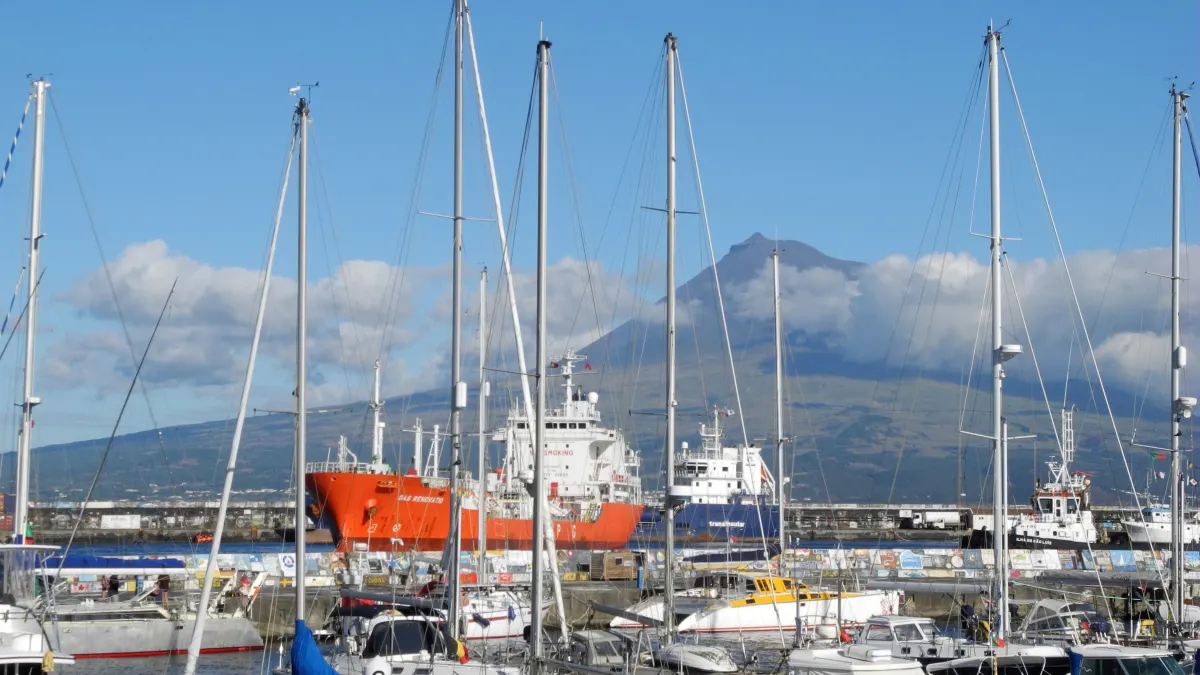
The ferry to Horta takes half an hour. Round the marina, sailors from all over the world have painted their names. See the crater of the Caldeira, and Capelinhos, the ash desert where a volcano came up out of the sea in 1957, with a museum underground. End the day with a gin at Peter Café Sport, looking at Pico.
Day 9: Home
Fly from Horta to Lisbon, direct or by another island.
With more time
- São Jorge: long and thin, with flat fajãs under the cliffs, walks and cheese. Ferry from Pico.
- Terceira: the World Heritage town of Angra do Heroísmo, and a volcano you can walk into, the Algar do Carvão.
- Flores: waterfalls everywhere. Allow spare days for weather.
- Or Madeira instead, for a first island with warmer winters: see Hiking in Madeira.

Comments