
Climbing Mount Pico in the Azores: booking, fees, the mountain house, the route and the weather
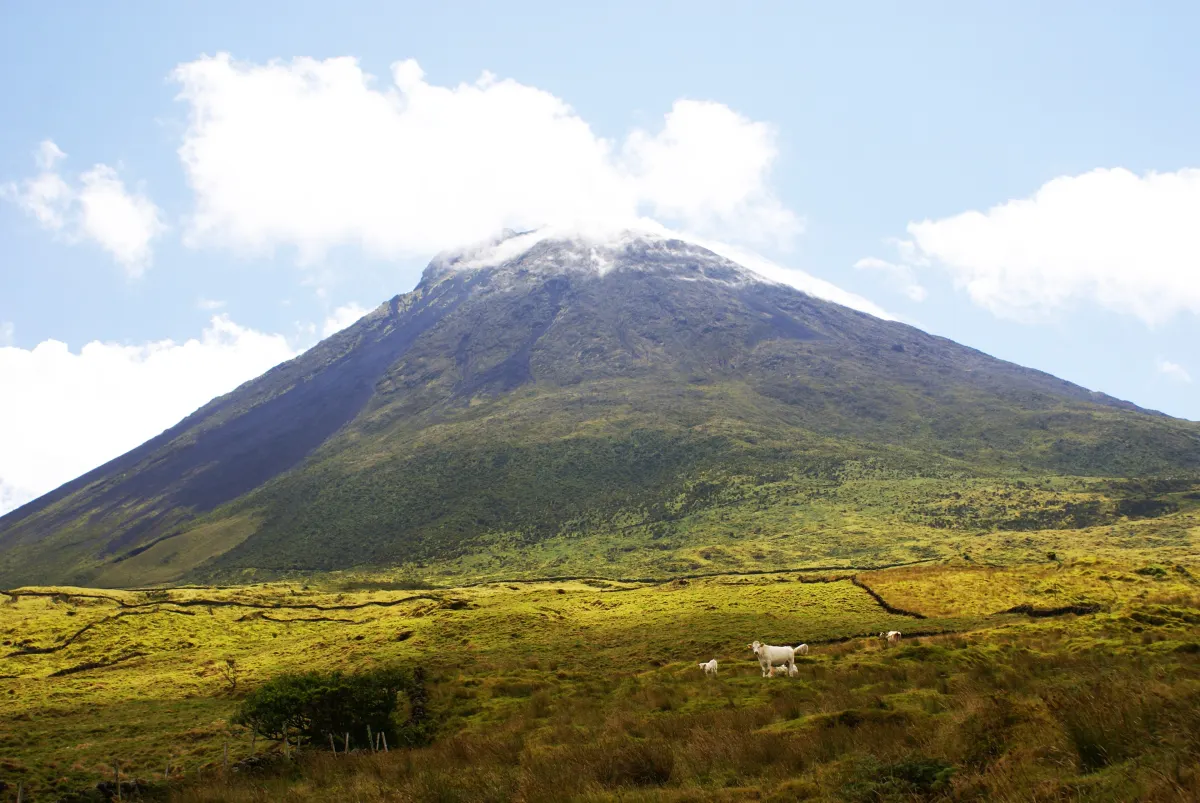
At 2,351 m, Pico is the highest mountain in Portugal, a black cone straight out of the sea. It isn't technical, but it's steep, rough and often in cloud, and people need rescuing every year.
Booking and fees
- Mount Pico: the number of climbers is limited, so book at montanhapico.azores.gov.pt, and pay by how high you go (reported: €25 to the very top). You register at the mountain house and carry a tracker. A guide is strongly advised.
- Reported fees for 2026: about €5 to the first cave (Furna Abrigo), €15 to the crater and €25 to the little peak on top, Piquinho, with more for a night in the crater. Reported limits are 160 people on the mountain at once and 320 a day, with 30 at a time on Piquinho.
- Under-16s must be with a parent or a responsible adult.
The route
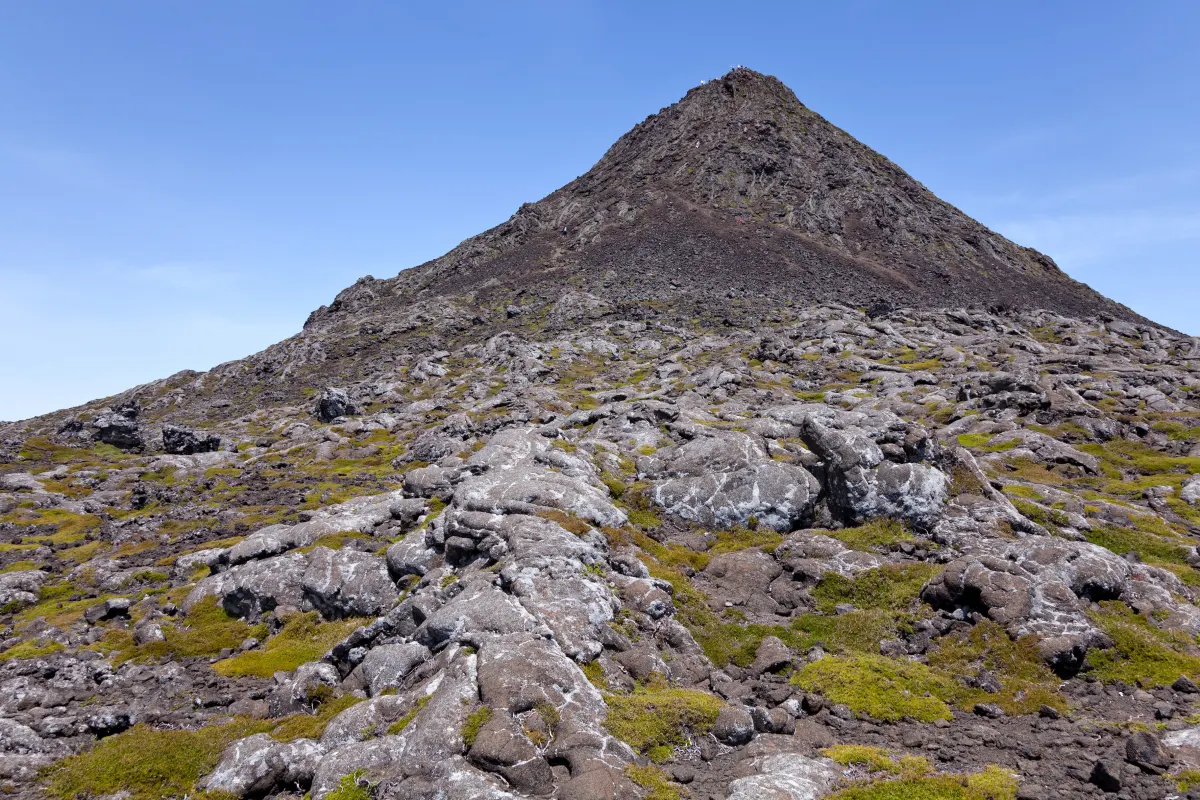
- From the mountain house (Casa da Montanha) at about 1,200 m, the path is marked by numbered posts. It climbs over 1,100 m of broken lava in about 4 km.
- Allow 3 to 4 hours up and as long down, which is harder on the knees. The last 70 m up Piquinho is a scramble with hands.
When
- June to September, in a window of clear weather. Look at the webcams on SpotAzores, and keep two or three days free so that you can choose.
- In winter there's snow and ice, and the mountain house has shorter hours. Go with a guide.
- Night climbs for sunrise are with guides.
Safety and what to take
- Mount Pico: register, carry the tracker they give you, and don't go in cloud. Weather in the Azores changes in minutes.
- Boots, gloves for the lava, a windproof and a warm layer, at least 2 litres of water (there's none on the way), food, a head torch and a charged phone.
- Wait 24 hours after scuba diving before you climb.
Getting there
The mountain house is about half an hour by car or taxi from Madalena, where the ferry from Horta comes in. See Getting to the Azores and the nine-day Azores route.
Walks and treks
Mount Pico, Azores
Açores
Portugal's highest mountain (2,351 m), a volcano climbed in about 7 hours return.



Comments