
Eight days in Portugal by train: Lisbon, Sintra, Coimbra and Porto
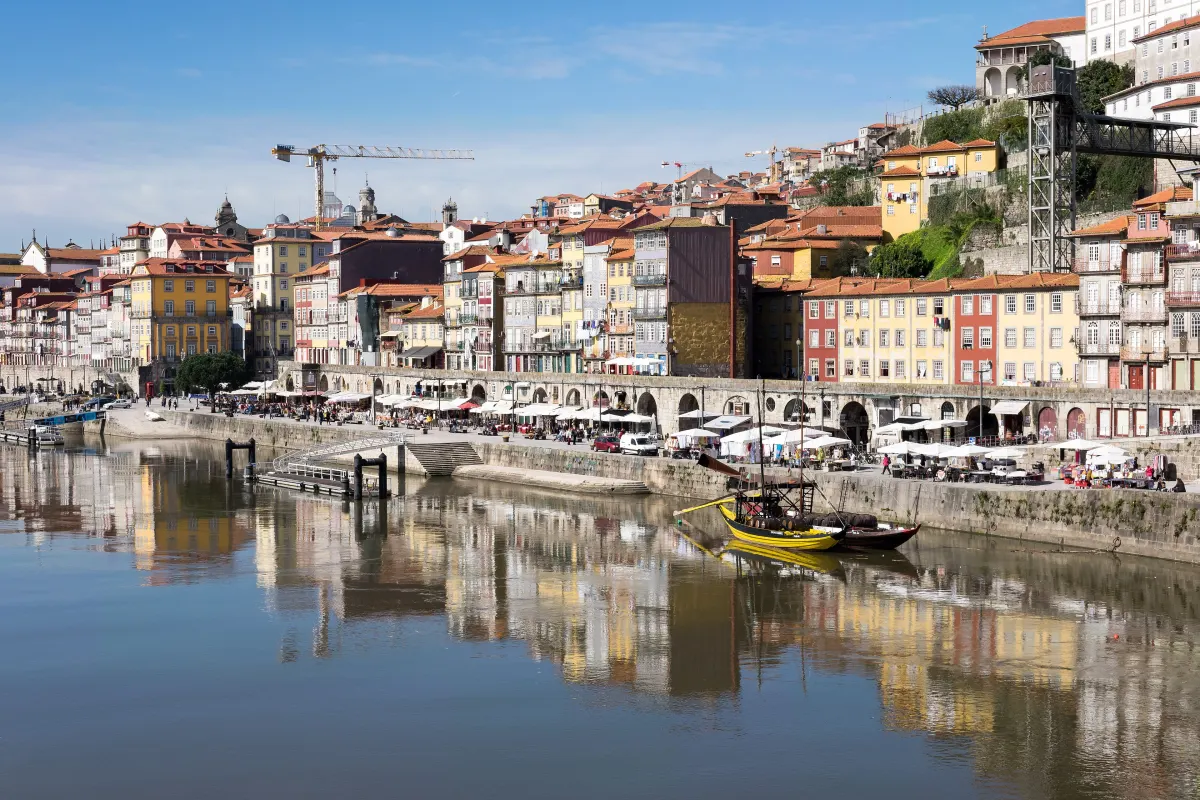
Tiles, viewpoints, custard tarts, a fairytale palace and port by the river: eight days is enough for the best of Portugal's two great cities and what lies between, without a car. Fly into Lisbon and out of Porto, or the other way round.
Map of the route
Train from Lisbon to Sintra, about 27 km
Bus from Sintra to Cabo da Roca and Cascais (day trip), about 36 km
Train from Cascais to Lisbon (day trip), about 26 km
Train from Lisbon to Coimbra-B, about 217 km
Train from Coimbra-B to Porto, about 122 km
Train from Porto to Guimarães (day trip), about 58 km
Train from Porto to Pinhão (day trip; no trains between Marco and Régua until 24 March 2027), about 129 km
Click a dot for the place. Dashed lines are day trips. The railway lines are from OpenStreetMap and distances are approximate. Trains on the Douro line between Marco de Canaveses and Régua are replaced by buses until 24 March 2027. Route from OpenStreetMap (© OpenStreetMap contributors, ODbL).
Before you go
- When: May, June, September and October. See When to go.
- Book first: Pena Palace, the Jerónimos Monastery, Coimbra's library and the trains. See Sintra, Jerónimos and Coimbra.
- CP's cheap seats come with 8 or more days' notice. Check for strikes before you travel: Getting around.
- Don't hire a car. You won't want it in any of these places.
Day 1: Lisbon, Baixa and Alfama
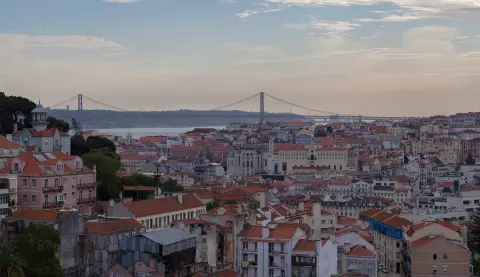
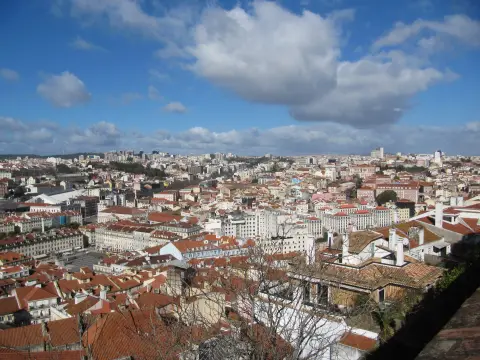
Start at the Praça do Comércio on the river, and walk up past the cathedral into Alfama, with a stop at the viewpoints of Santa Luzia and Portas do Sol. See São Jorge Castle, or just get lost. Have a ginjinha near Rossio and a bifana, and hear fado in the evening.

Alfama and Tram 28, Lisbon
Lisbon's oldest district, a maze of steep, winding streets and stairways below the São Jorge Castle, which survived the great earthquake of 1755.
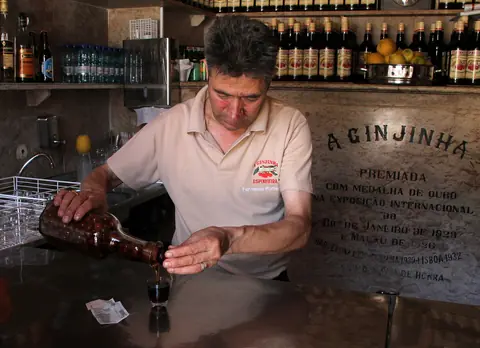
Ginjinha, Lisbon
Sour cherry liqueur sold by tiny bars in Lisbon.
Day 2: Belém
Take the train or tram 15 early to the Jerónimos Monastery, then walk along the river by the Monument to the Discoveries to the tower. Eat a warm pastel de nata, and come back by Alcântara and the LX Factory. Watch the sun set from a miradouro, such as Graça or São Pedro de Alcântara.

Belém Tower and Jerónimos Monastery, Lisbon
Two masterpieces of the ornate Manueline style, built when Portugal's explorers sailed the world, and together a UNESCO World Heritage Site.

Pastel de nata
Flaky custard tarts, best warm with cinnamon and sugar.
Day 3: More of Lisbon
The Gulbenkian (closed on Tuesday) is one of Europe's finest small collections. Across town, the Oceanário stands among the modern buildings of Parque das Nações. The Tile Museum is closed for works, so look for tiles at São Vicente de Fora and in the metro. In the evening, take the ferry to Cacilhas for fish by the water.
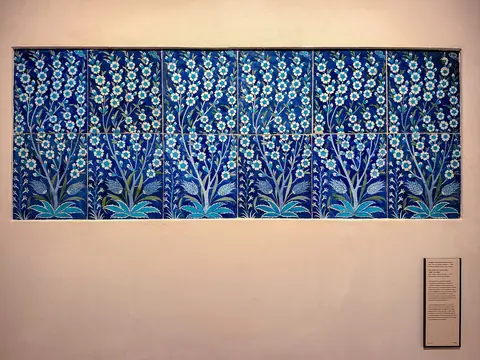
Calouste Gulbenkian Museum, Lisbon
An oil magnate's collection from ancient Egypt to Lalique jewellery, in a modernist building with beautiful gardens.
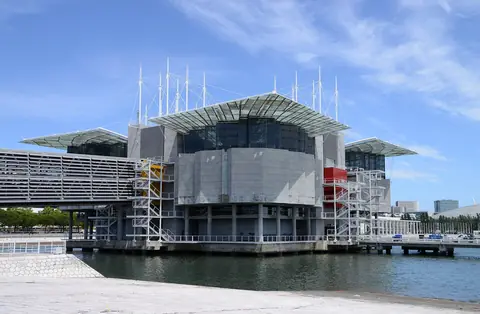
Oceanário de Lisboa
One of Europe's largest aquariums, with a huge central tank of sharks, rays and a sunfish, surrounded by habitats from four oceans.
Day 4: Sintra and the end of Europe
Train from Rossio, 40 minutes. Be at Pena Palace for the first slot, then walk down by the Moorish Castle, and see Quinta da Regaleira in the afternoon. Or take the bus to Cabo da Roca, the westernmost point of mainland Europe, and on to Cascais for the train back along the sea.

Pena Palace, Sintra
A colourful romantic palace in red and yellow, built in the 19th century on a hilltop above Sintra, mixing Gothic, Moorish and Manueline styles.
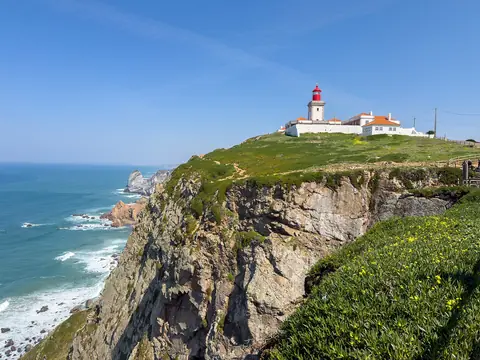
Cabo da Roca
The westernmost point of mainland Europe, with cliffs above the Atlantic and a lighthouse.
Day 5: Coimbra
A fast train from Santa Apolónia or Oriente takes about 1 hour 45 minutes to Coimbra-B. See the university and its golden library, the old cathedral, and the lanes down to the river. Hear Coimbra's own fado in the evening. Stay the night.

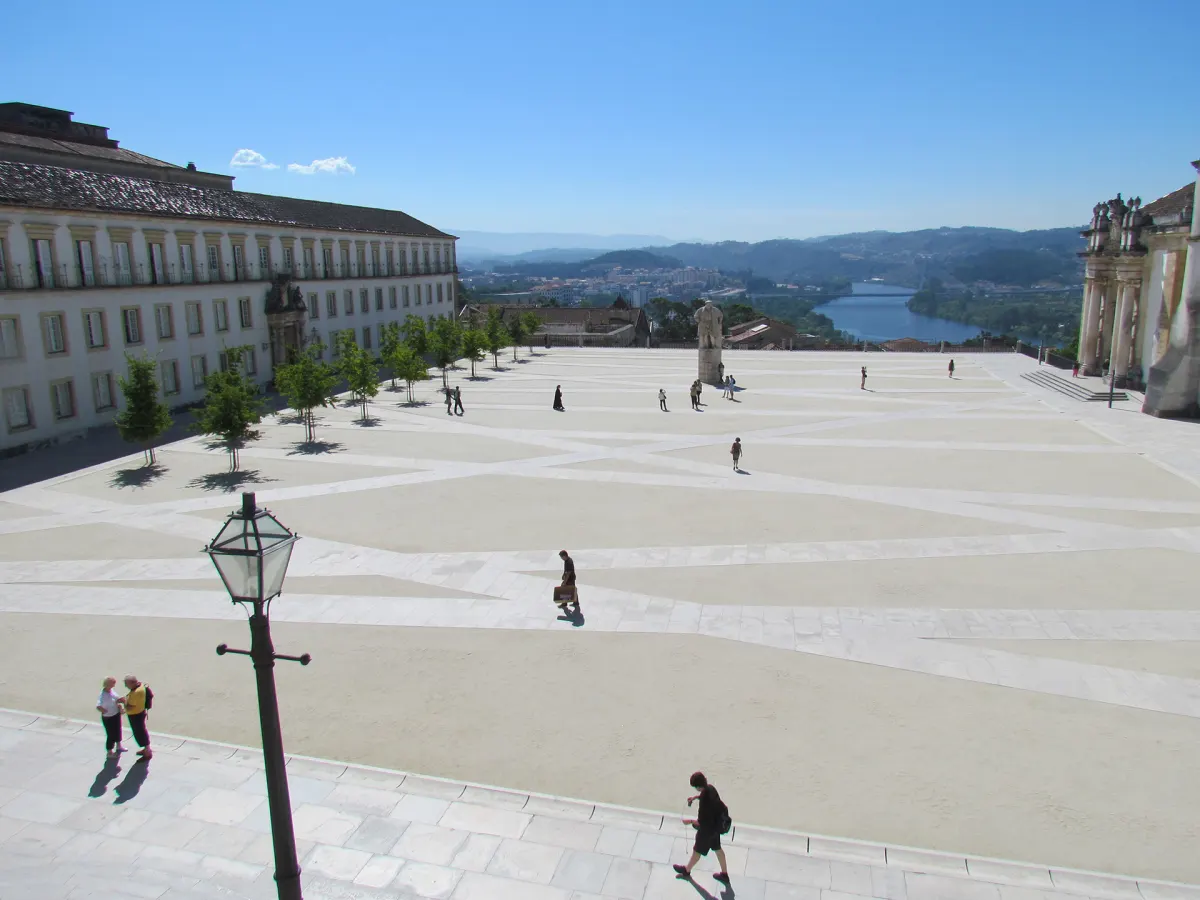
University of Coimbra
One of the oldest universities in Europe, founded in 1290, set on a hill above the Mondego River.
Days 6 and 7: Porto
- About an hour by train to Campanhã, and on to São Bento with its tiled hall. Walk down through the Ribeira, cross the top of the Luís I bridge, and taste port at the lodges of Gaia as the sun goes down.
- Next day, the Livraria Lello at opening time, the Clérigos Tower, the Bolhão market, and a francesinha for lunch if you're brave. Then bus out to Serralves and walk by the sea at Foz.

Ribeira and the Luís I Bridge, Porto
Porto's riverside district of colourful tall houses along the Douro, a UNESCO World Heritage Site, below the double-decker iron Luís I bridge.
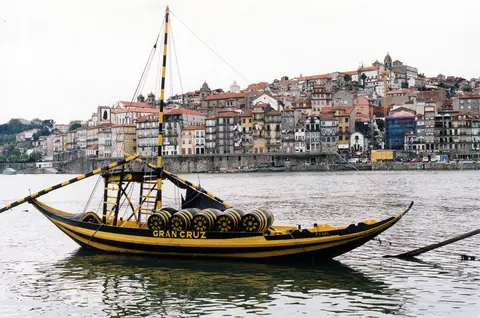
Port wine cellars, Vila Nova de Gaia
Tour the port lodges such as Taylor's, Graham's and Sandeman, where port is aged in barrels, and taste tawny, ruby and white port.
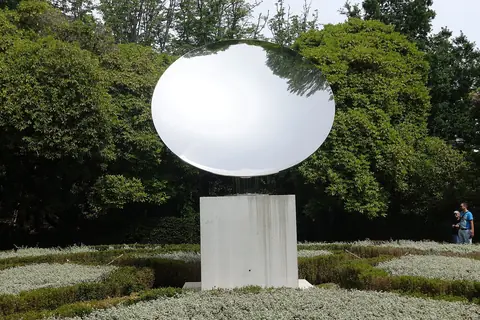
Serralves Museum, Porto
Contemporary art in a building by Álvaro Siza, with an Art Deco villa, gardens and a treetop walk.
Day 8: Guimarães or the Douro
- Guimarães, where Portugal began: about 1¼ hours by suburban train. The castle, the dukes' palace and the squares of the old town.
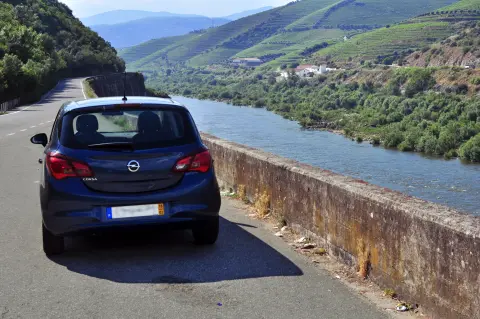
- Or the Douro line to Pinhão, about 2½ hours each way along the river: sit on the right going out. There are no trains between Marco and Régua until 24 March 2027, with buses instead, so in that time take a boat or coach trip.

Douro Valley
The oldest demarcated wine region in the world, where port wine comes from, with vineyards terraced into the steep slopes of the Douro River valley, …
With more time
- Between Lisbon and Coimbra, by coach: Óbidos for a night inside the walls, Nazaré for the waves, Batalha and Fátima.
- Évora, 1½ hours east of Lisbon by train, for a night. Setúbal, for the beaches of Arrábida.
- Go on by car to the Douro and the north, or south by train to the Algarve.

Comments