
Health in Portugal: pharmacies, the SNS 24 line, health cards and insurance, medicines, heat and mosquitoes
Portugal has good health care and no unusual risks. Sun, cold sea and slippery streets cause most visitors' problems.
If you're ill
- 112: emergency and ambulance, in English.
- SNS 24: free health advice by phone, day and night. On the mainland 808 24 24 24, and press 9 for English. In Madeira 800 24 24 20, and in the Azores 808 24 60 24. Ring before you go to hospital: they can send you to the right place, and some emergency departments ask you to have called.
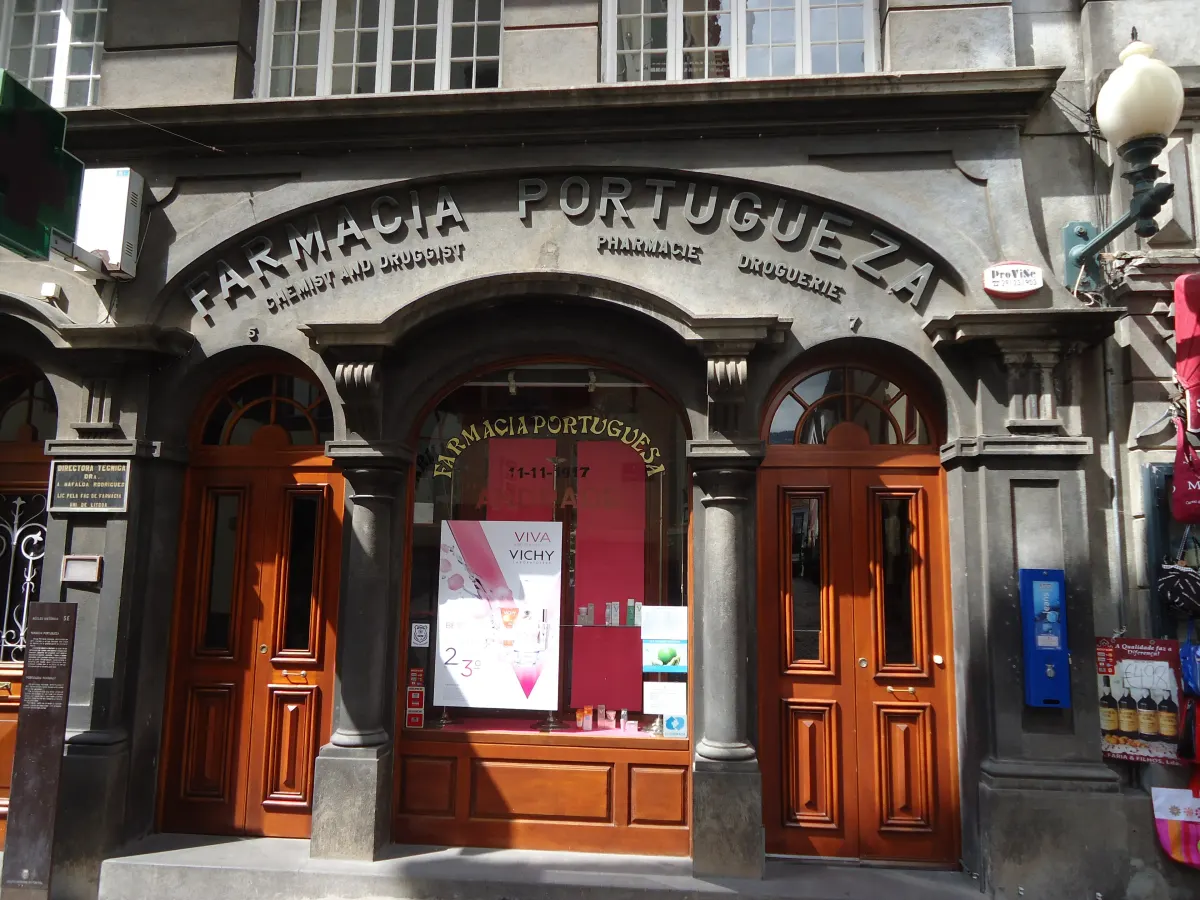
- Pharmacy (farmácia, green cross): the first stop for anything small. One is always open at night, the farmácia de serviço: the list is on every pharmacy's door.
- Centro de saúde: the public clinic. Urgências: hospital emergency, where waits are long if your case isn't urgent. Several maternity and other emergency units close on some nights and weekends, so the nearest may not be the one that's open.
- Private hospitals (CUF, Luz, Lusíadas, and HPA in the Algarve) are quick, usually speak English, and cost money. Ring your insurer.
Health cards and insurance
- EU visitors need an EHIC and UK visitors a GHIC (free from the NHS) for state care. Some charges apply, and neither covers private care, mountain rescue or getting you home.
- Everyone else pays, so have travel insurance. Check that it covers hiking, surfing, scooters and boats if you'll use them.
Medicines
- Bring your own in the original boxes, with a copy of the prescription, partly in hand luggage. UK and other non-EU prescriptions aren't recognised. Antibiotics need a Portuguese or EU one.
- Basic painkillers are sold in some supermarkets and parafarmácias.
Heat and sun
- In July and August the Alentejo (Évora, Beja), the upper Douro and the Tagus valley often pass 38°C, and can reach 45. Lisbon has hot spells too. The west coast stays cool and breezy.
- Sights early, indoors from noon to 5, and a room with air conditioning inland.
- The Atlantic wind hides the sun. You burn at the beach at 22°C, and in Madeira in February.
- Heatstroke (confusion, hot skin, fainting) is an emergency: ring 112 and cool the person down.
Water and food
- Tap water is safe. It tastes of chlorine in some towns. Fountains marked água não controlada aren't tested, and imprópria means don't drink.
- Shellfish from restaurants is fine. Don't gather your own: toxins close beds without much notice.
- In the hot pools of Furnas and Caldeira Velha, keep your head out of the water, and take off silver jewellery: the iron stains it.
Mosquitoes and ticks
- West Nile virus: no locally caught human case had been reported in 2026 by early autumn, but horses were infected in the Alentejo and round Lisbon and the Tagus, and doctors think some human cases are missed. Use repellent from dusk.
- The mosquito that carries dengue lives in Madeira, which had an outbreak in 2012 to 2013, and the tiger mosquito in parts of the mainland. The risk is low. They bite by day.
- Ticks: wear long trousers in long grass, check yourself, and see a doctor about a fever after a bite. Mediterranean spotted fever is carried by dog ticks.
- Pine processionary caterpillars walk in lines from about January to May. Their hairs cause bad reactions in people and dogs: don't touch.
- Make sure your measles vaccination is up to date. Canada has a measles notice for travellers.
Height and hills
Mount Pico (2,351 m) and Pico do Arieiro (1,818 m) are cold and windy when the coast is warm. Motion sickness on mountain roads and whale-watching boats is common: take a tablet first. Wait 24 hours after scuba diving before you fly or climb.
See also Beach and sea safety for stings and currents, Safety and When to go.

Comments