
Chilean culture and manners: greetings, time, the dictatorship, Mapuche and Rapa Nui, Fiestas Patrias and Sundays
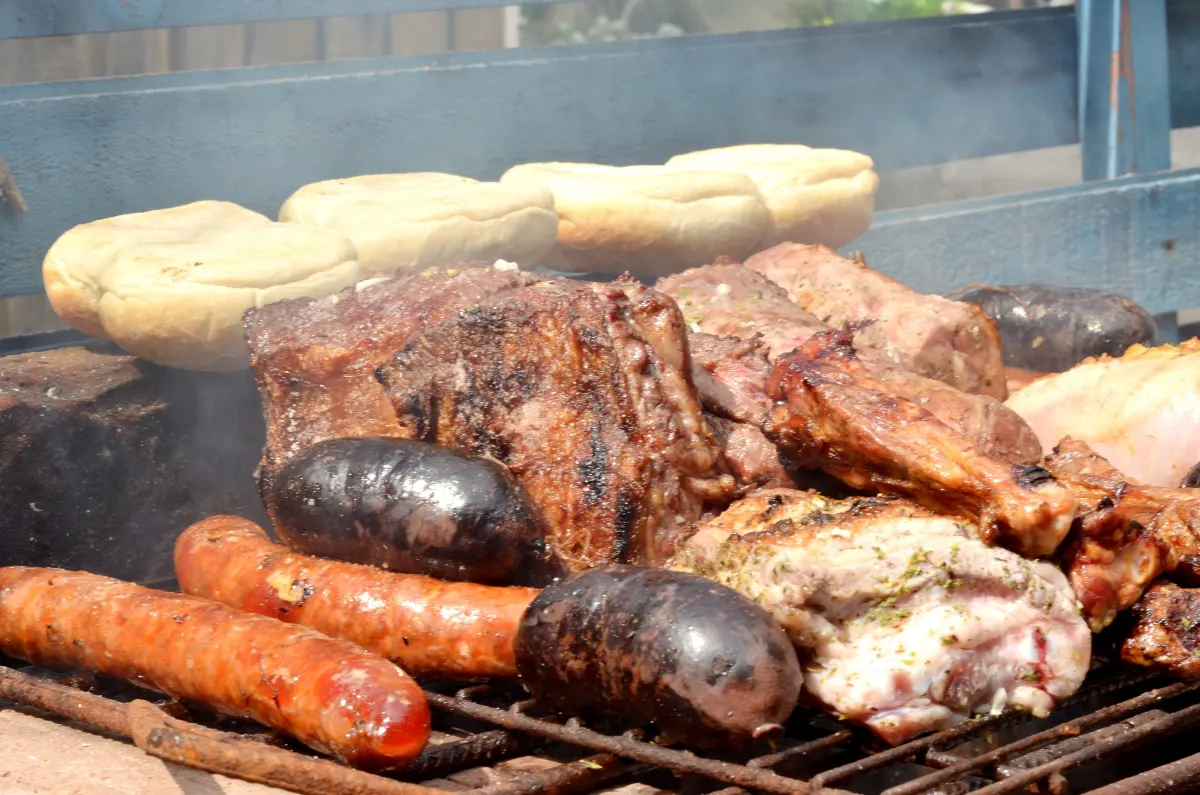
Chileans are polite, dry-humoured and rather reserved, compared with their neighbours. Once there's a barbecue lit, that changes.
Meeting people
- One kiss on the right cheek between women, and between men and women. Men shake hands, or hug and slap backs if they're friends. Greet everyone in the room, one by one, and again when you leave.
- Say buenos días or buenas tardes when you go into a shop or lift, or ask for anything. Going straight to the question seems rude.
- Use usted with older people and officials, and tú with others. For words you'll only hear here, see Language.
- People stand close, and say permiso to pass.
Time
- Buses, tours and business are punctual. Dinner at somebody's house isn't: come 20 to 30 minutes late.
- Nights are late. Clubs fill after 1 am.
In a home
- Bring wine, sweets or flowers. Wait for ¡salud! before you drink, and look people in the eye.
- An asado (barbecue) takes hours. Don't touch another man's fire.
- Keep both hands on the table, and don't eat a sandwich with your hands if everybody else has a fork.
Subjects with care
- The dictatorship of 1973 to 1990 still divides families. Over 3,000 people were killed or disappeared. Listen more than you talk. The Museum of Memory is where to start.
- Politics since the protests of 2019, two failed constitutions, and President José Antonio Kast's government, in office since March 2026, is just as sharp.
- Argentina, Peru and Bolivia: football, pisco and the sea that Bolivia lost. Tease only if you're teased.
- Immigration, mostly from Venezuela, is a hot subject.
Indigenous peoples
- More than one Chilean in ten is Mapuche, above all in the Araucanía and Santiago. Say Mapuche, not indio. Their land is a live issue: see the Araucanía. Community tourism round Lago Budi and Curarrehue is a good way to meet people.
- Aymara and Lickanantay (Atacameño) communities run many of the sites of the north, and set the rules and the fees. Don't move or build stone piles (apachetas).
- The Rapa Nui are Polynesian, with their own language. The moai are ancestors, not statues: never touch one, or stand on an ahu.
- Ask before you photograph people, and at religious festivals.
Festivals
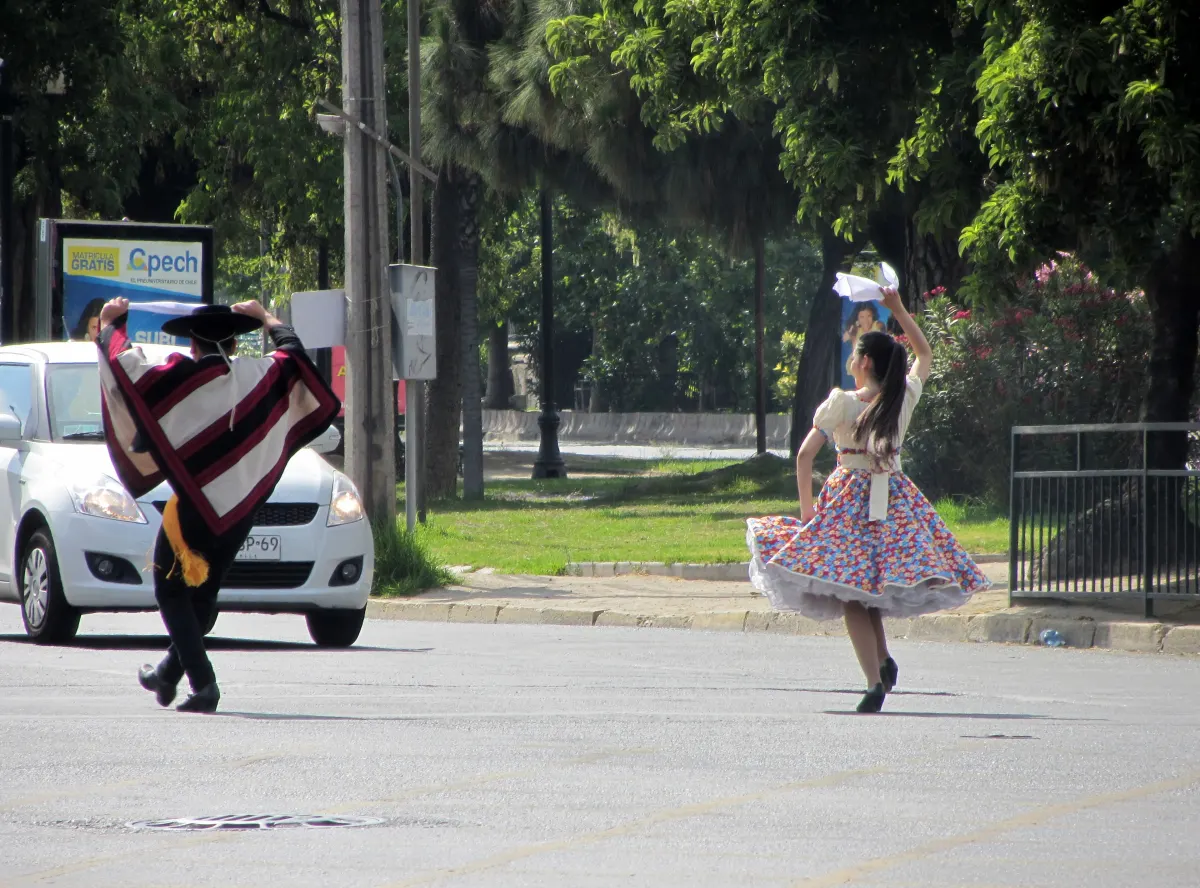
- Fiestas Patrias, 18 and 19 September: the year's great party, with fondas (tents for eating and dancing), cueca, the handkerchief dance, kites, rodeo and empanadas. Shops must close, and roads fill. In 2027 they fall on a weekend.
- La Tirana, 16 July, in the desert near Iquique: masked dancers by the thousand.
- Tapati, in February, on Rapa Nui. New Year fireworks in Valparaíso. Viña's song festival, in late February.
- Also shut by law: 1 January, 1 May and 25 December. See When to go.
Dress and religion
Casual but neat. Beachwear stays on the beach. Most people are Catholic, at least by birth, and evangelical churches are strong in the south. Same-sex marriage has been legal since 2022. The UK government says much of society is still conservative: Santiago is relaxed, small towns less so.
Dogs
Street dogs are everywhere, mostly friendly, and often fed by the whole block. One may adopt you for the day. Don't pat them if you don't have to: see Health.

Comments