
The Araucanía and the Mapuche conflict: the state of emergency, which roads and areas to avoid, and visiting Pucón safely
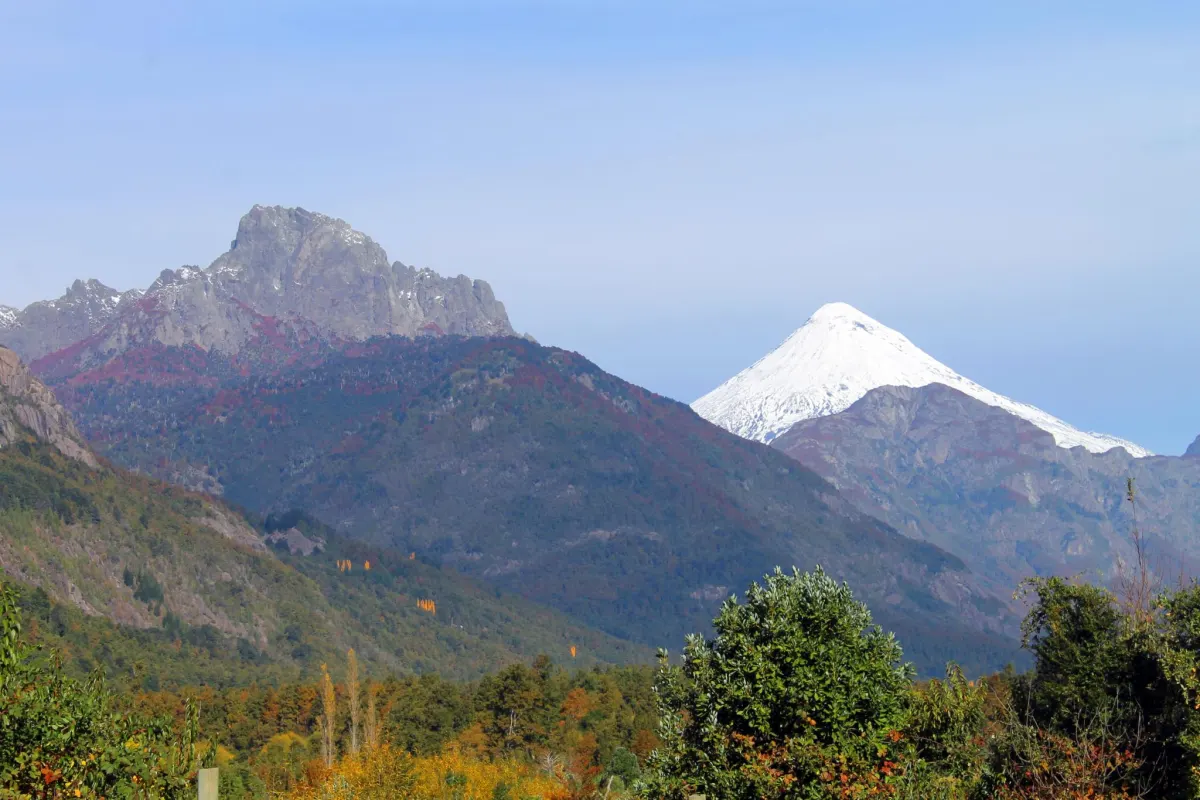
In parts of southern Chile there's a long conflict over land that was taken from the Mapuche in the 19th century, and is now mostly forestry plantations and farms. Armed groups burn lorries, machines and houses, and people have been killed on all sides. Tourists aren't the target, and the lakes and volcanoes are open and busy.
The state of emergency
- It has been in force since May 2022, with the army helping the police, in the Araucanía region (provinces of Cautín and Malleco) and the provinces of Arauco and Biobío.
- Congress renews it every 30 days. The Senate voted for another 30 on 11 November 2026. The government says violent events have fallen by 85% in five years.
- What you'll notice: soldiers and checkpoints on main roads, and armoured vehicles. Have your passport ready. There's no curfew.
What governments say
- UK: there's continuing unrest, especially round Temuco, with attacks on people and property. Follow the local authorities. It doesn't advise against going.
- Canada: reports barricades, looting, arson and shootings in the Araucanía and Biobío, and says to be careful. It sets no special level for them.
- New Zealand: mentions an ongoing conflict there.
- The US and Australian pages couldn't be read.
Where it is
- Avoid unless you need to: the country roads of Malleco (round Ercilla, Collipulli, Angol, Lumaco and Los Sauces), and of Arauco: Cañete, Tirúa, Contulmo and the P-70 and P-72 roads along the coast and Lago Lleulleu.
- Avoid the same places at night without exception.
- Ruta 5 between Los Ángeles and Temuco is busy, patrolled and normally fine by day. Lorries have been attacked on it. Drive this part in daylight, and don't stop on the hard shoulder.
Is Pucón safe?
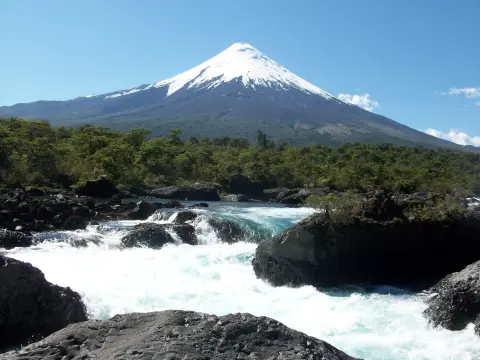
- Yes. Pucón, Villarrica, Huerquehue, Curarrehue, Coñaripe and Panguipulli are in the same region on paper, but far from the trouble. The risk there is the volcano.
- Conguillío, Malalcahuello and Lonquimay are visited normally too. Come by the main roads (Ruta 5 and the R-181 or S-61) by day.
- Temuco is an ordinary city with ordinary theft, and the odd march. Flights use it, and the road from its airport to Pucón keeps away from the trouble.
- The lakes to the south, Valdivia, Puerto Varas and Chiloé aren't affected. There have been a few arson attacks in Los Ríos.
If there's a roadblock
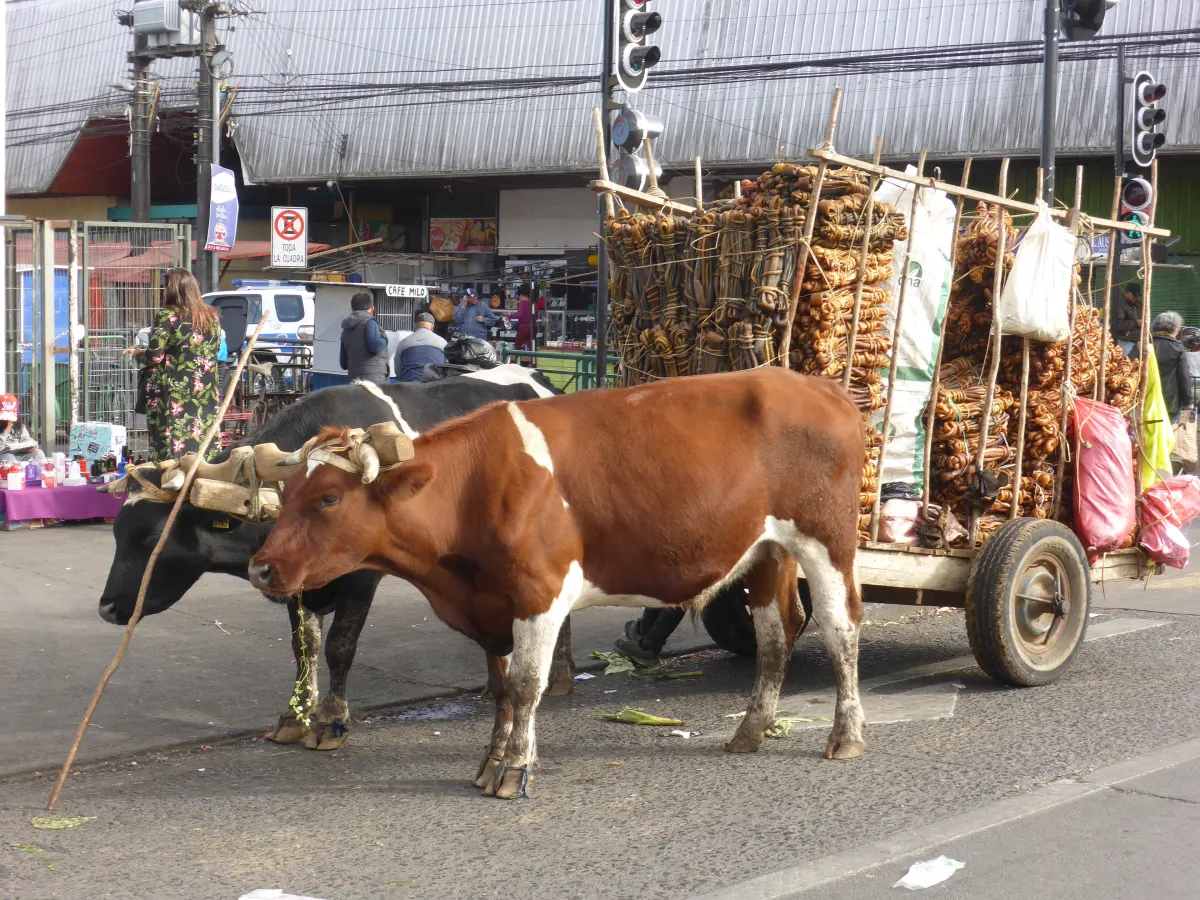
- Stop well before it, turn round, and go back to the last town. Don't drive through, and don't get out to look or film.
- Call 133, and ask at a petrol station which way is open.
Meeting Mapuche people
- Nearly everyone lives in peace, and most Mapuche have nothing to do with the violence. Don't treat the two words as one.
- Communities welcome guests at Lago Budi (Puerto Saavedra and Llaguepulli), Curarrehue, and round Temuco: meals, weaving, nights in a thatched ruca. Book, so they expect you.
- Ask before entering land or taking photos, and never at a ceremony (nguillatún). A rewe, a carved post, is sacred.
- Temuco's Mapuche market and the regional museum are good places to start. See Culture.
Don't take sides in public
Flags, slogans and posts can offend, and foreigners can be deported for political acts.

Tours and activities
Pucón and Villarrica Volcano
Pucón, La Araucanía
A lakeside adventure town beneath the snow-capped, active Villarrica volcano.
Natural features
Conguillío National Park
La Araucanía
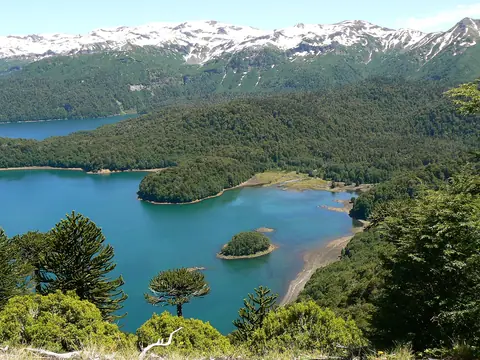
Monkey puzzle forests, lava fields and lakes below Llaima volcano.
Comments