
Getting around Santiago: the metro, contactless cards, the Bip! card, buses, taxis, app rides and bikes
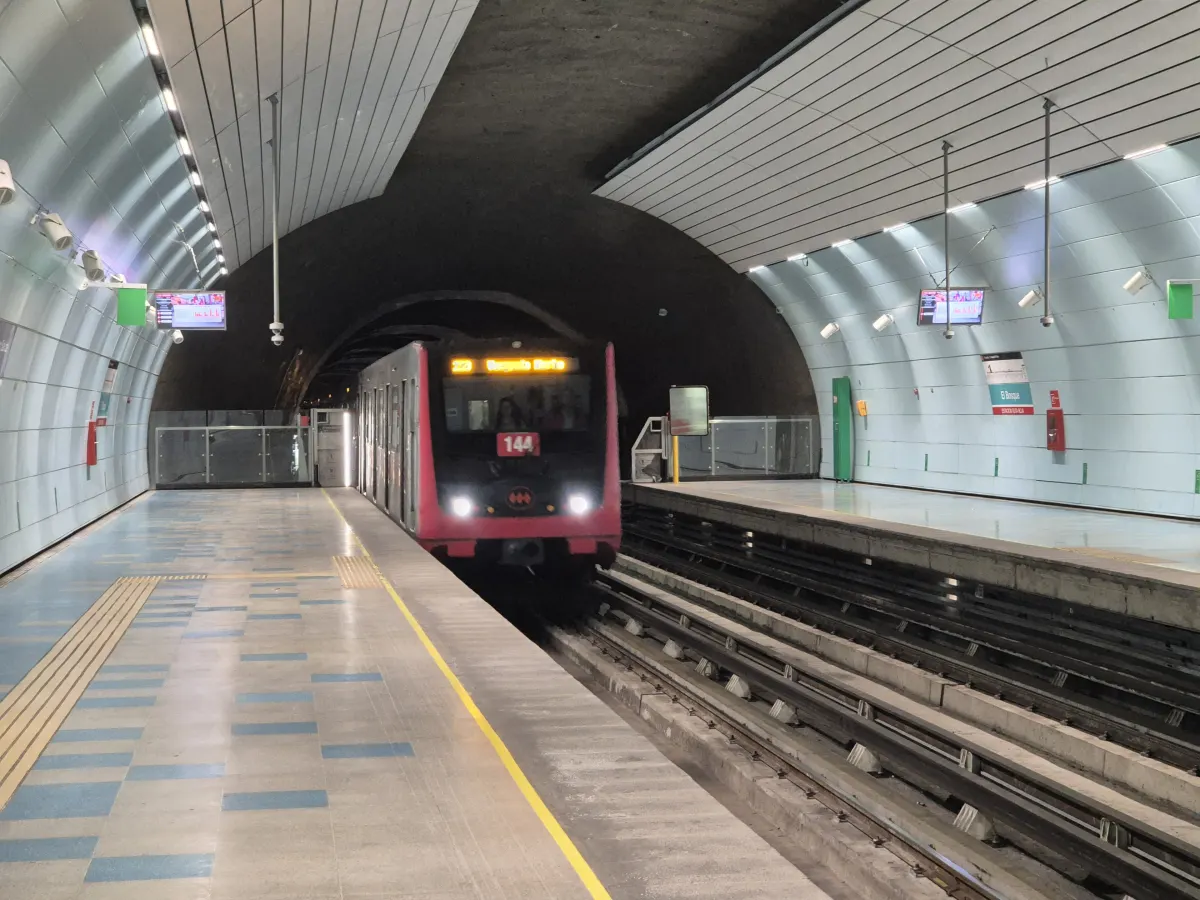
Santiago has the best metro in South America: clean, quick and cheap, with a train every few minutes. Since 2026 you can pay with your own bank card, so many visitors no longer need the local one.
Paying for the metro
- Since 13 February 2026 you can tap a contactless Visa or Mastercard, or a phone with Google Pay or Apple Pay, on the gates marked for it. The fare is the same. Use one card per person, and the same one when you change.
- It works on the metro and the Nos suburban train. It didn't work on the buses when it began. The plan was to add them at the end of 2026, so look for the symbol.
- For buses you need a Bip! card, bought and charged at metro stations, or a QR code from the app. One Bip! card can pay for several people.
- Fares in 2026 (since 22 February): 895 pesos at peak, 815 at normal times and 735 early and late. Change between metro and buses within two hours for little or nothing more.
Using it
- It runs from about 6 am to 11 pm, and from 8 am or 9 am on Sundays and holidays.
- From 7 to 9 am and 6 to 8 pm on weekdays it's packed. At those times on some lines trains skip stations: a red or green sign shows which. Others stop everywhere.
- Line 1 is the one you'll use most: Pajaritos (airport buses), Universidad de Santiago (bus terminals), La Moneda, Universidad Católica (Lastarria), Baquedano (Bellavista), Los Leones and Tobalaba.
- For Cerro San Cristóbal walk from Baquedano over the river. For the Museum of Memory get off at Quinta Normal. For the Pre-Columbian museum, Plaza de Armas.
- Hold your phone and wear your backpack on your front. Phones are snatched as the doors close.
Buses
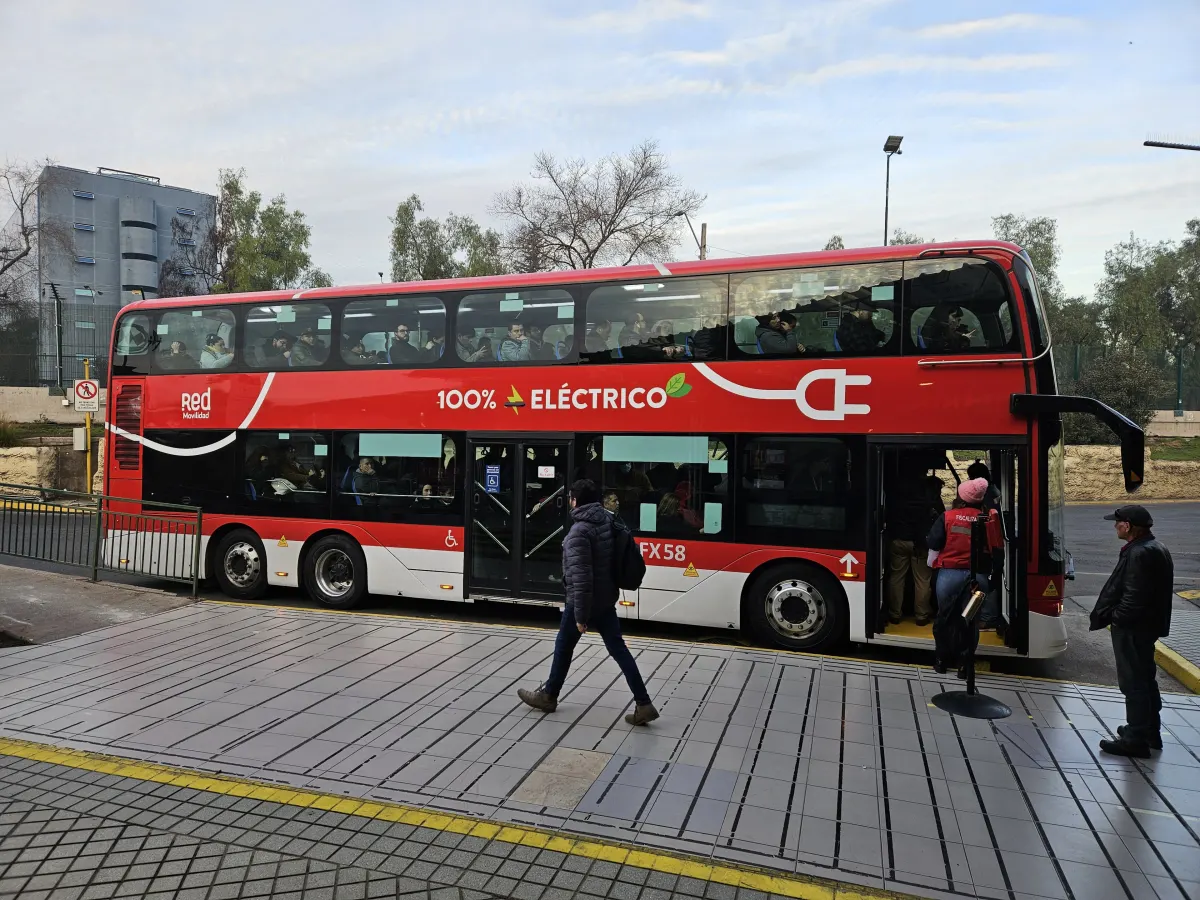
- The red buses (Red Movilidad) go everywhere, many of them electric, and some all night. They don't take cash. Google Maps and Moovit know the routes.
- Wave one down. On big avenues you may have to tap in at a fenced stop.
- Many people don't pay. Inspectors do check, and the fine is heavy.
Taxis and apps
- Uber, Cabify and DiDi are cheap and widely used. A law to regulate them, passed in 2023, still wasn't in force in autumn 2026. Drivers may ask you to sit in front.
- Taxis are black with a yellow roof, and have a meter. Pick one at a rank or by app, and pay with small notes or watch the card reader. The UK and Canadian governments advise against hailing one late at night.
- Colectivos are shared taxis on fixed routes.
Walking and cycling
- The centre, Lastarria, Bellavista and Providencia are pleasant to walk by day. At night take a car: see Safety.
- Bike Itaú and similar schemes have docks in the eastern districts. On Sunday mornings the CicloRecreoVía closes whole avenues to cars.
- The funicular and two cable cars on Cerro San Cristóbal (the Pío Nono one opened in 2026) are part of the fun. They're often closed on Monday mornings.
Driving
Don't, unless you're leaving town. The motorways have electronic tolls, and parked cars are broken into.
When things stop
Marches close the Alameda and Baquedano station, often on Friday afternoons: see Protests.

Attractions
Santiago and Cerro San Cristóbal
Santiago, Región Metropolitana de Santiago
Chile's capital, with the Andes behind. Ride the funicular up Cerro San Cristóbal for views, visit the Museo Chileno de Arte Precolombino, La Chascon…
Attractions
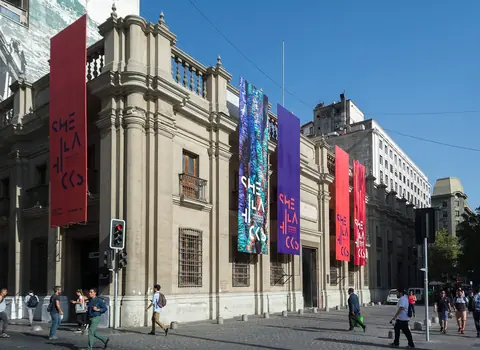
Chilean Museum of Pre-Columbian Art
Santiago, Región Metropolitana de Santiago
Beautiful textiles, ceramics and gold from across the ancient Americas.
Attractions
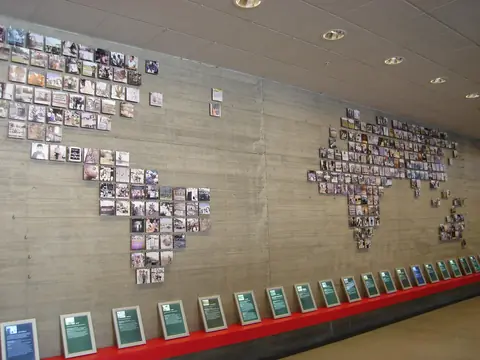
Museum of Memory and Human Rights
Santiago, Región Metropolitana de Santiago
A moving museum about human rights abuses under the 1973–1990 military dictatorship.




Comments