
Safety in Croatia: crime, scams, fines for bad behaviour, drugs, party towns, earthquakes and emergency numbers
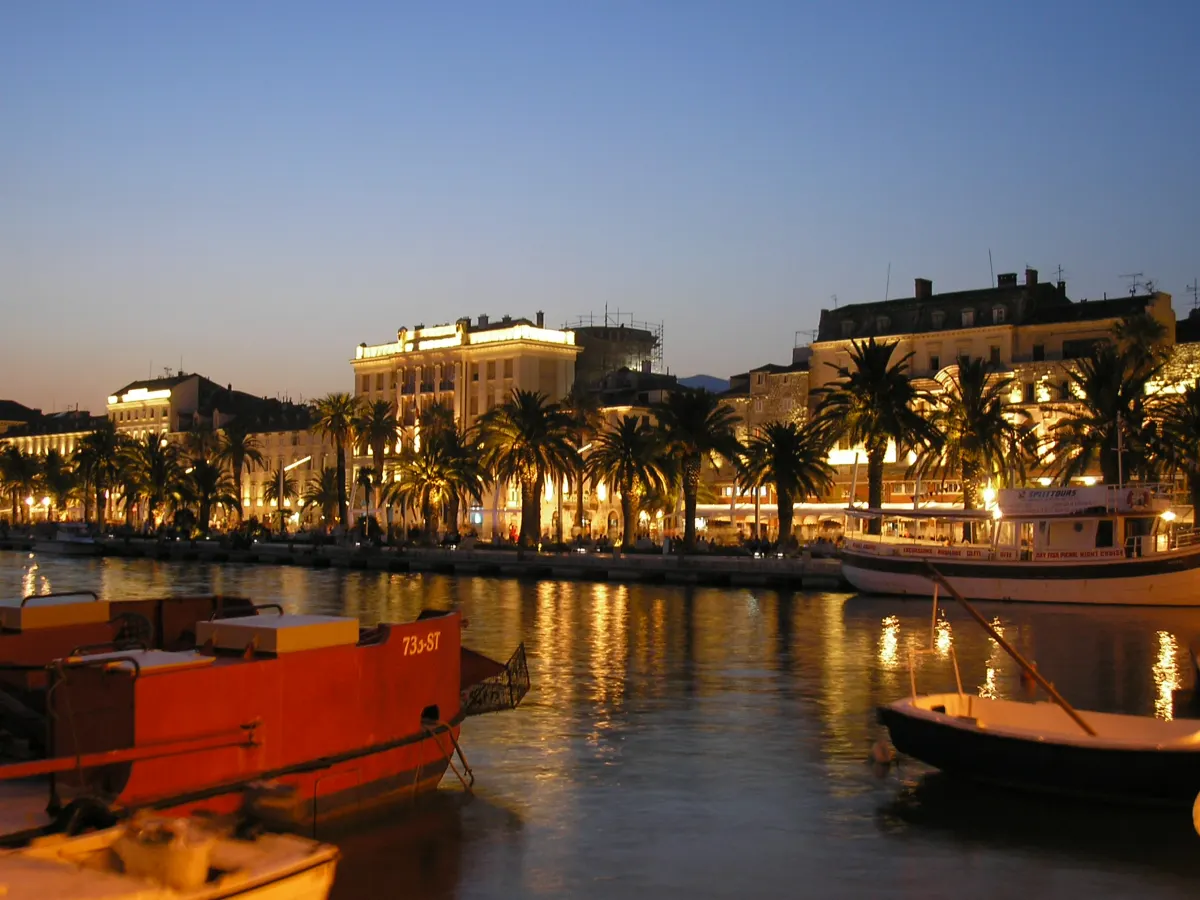
Croatia is one of Europe's safer countries. The UK's travel advice says crime levels are low and violent crime is rare. Visitors come to more harm from the sea, the roads, the sun and each other.
Emergency numbers
112 for anything, in English. 192 police, 193 fire, 194 ambulance, 195 sea rescue. Mountain rescue (HGSS) is reached by 112.
Theft
- Pickpockets work crowds: Dubrovnik's Pile Gate and Stradun, Split's Riva and green market, Zagreb's trams and Dolac, buses, ferries and festivals.
- On the beach, swim in turns or leave only a towel.
- Lock cars, and rooms on the ground floor. Break-ins at flats and on boats happen in high season.
Scams
- "Gentlemen's clubs": tourists have been charged thousands of euros for a few drinks, and threatened until they paid. Don't follow anyone who invites you off the street.
- Taxis without a price list. Agree first, or use an app: see Buses and taxis.
- Fake holiday flats: an advert with lovely pictures and a low price, and a bank transfer to pay. Book through a site that holds the money, and check that the place is registered: see Where to stay.
- Fish by the kilo, and cash machines: see Money.
Fines for behaviour
- In Split, Dubrovnik, Hvar and other towns you can be fined on the spot for drinking alcohol in public, sleeping rough, urinating or vomiting, walking about shirtless or in swimwear, and climbing on monuments. Several hundred euros is usual, up to €700 in some reports.
- Fighting, shouting abuse, being drunk and disorderly, or insulting a police officer can cost up to €4,000.
- Split and Makarska stopped night-time sales of alcohol in shops in the summer of 2026: see Wine and drink.
- Camping and sleeping in vans outside campsites is illegal and fined: see Where to stay. Lighting a fire is worse: see Wildfires.
Drugs
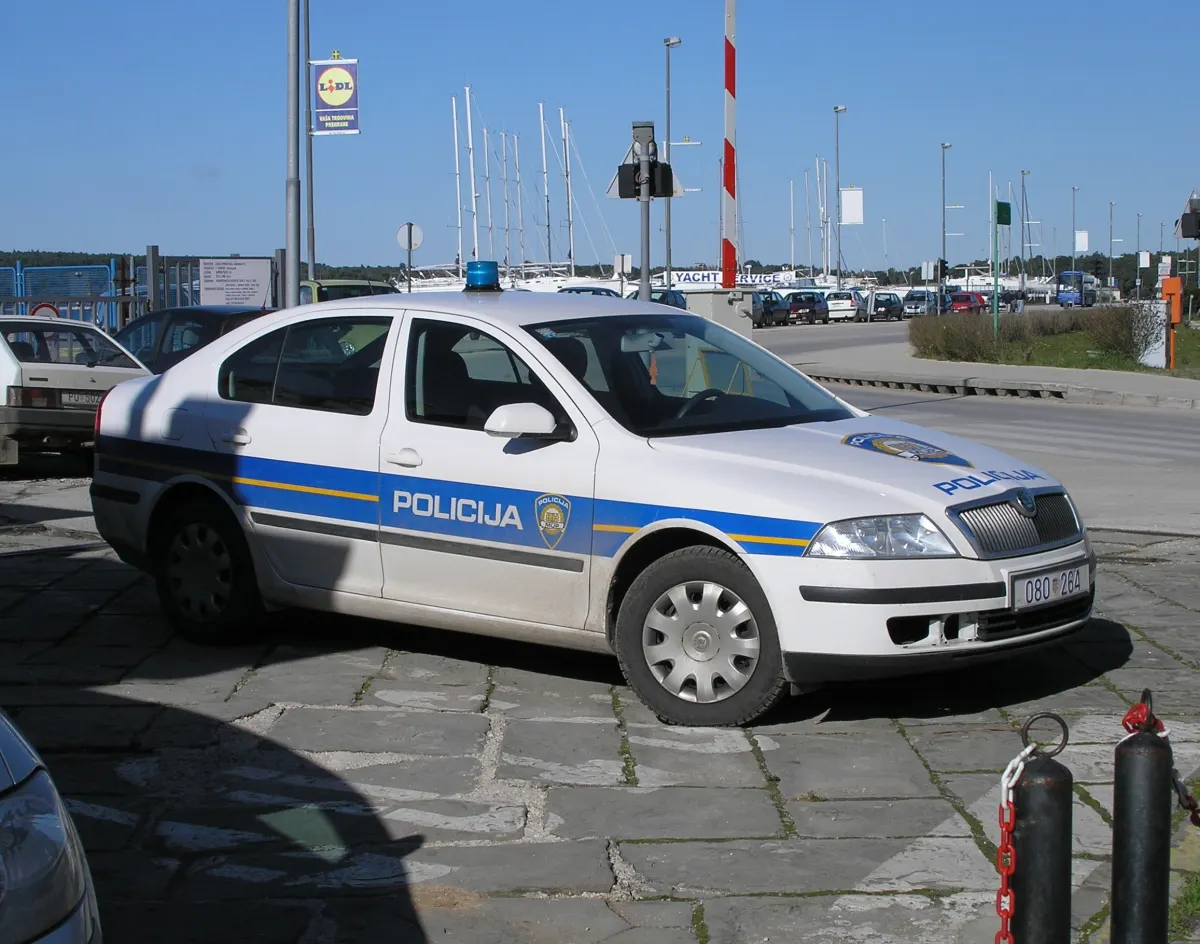
Drugs are illegal, cannabis included. A small amount for yourself means a fine, sometimes a heavy one. Dealing or smuggling means prison. Police search people at festivals, and airports are well equipped.
Parties and festivals
- Hvar Town, Zrće beach on Pag (Novalja), Split, Makarska and Tisno's festivals are the party places. Watch your drink, and arrange the way home before you start.
- Drunken falls from walls, balconies and boats, and night swims, are the usual disasters. Jumping from cliffs or bridges injures people every week of summer.
- Taxis: the UK reports sexual assaults. Sit in the back, photograph the number, and share the trip. Women otherwise travel alone in Croatia without much trouble.
- Football: keep clear of Hajduk against Dinamo, and of fans on the motorway.
Terrorism
There's no recent history of it in Croatia, though no country can rule it out.
Earthquakes and floods
- Earthquakes hit Zagreb in March 2020 and Petrinja in December 2020, with deaths in both. Zagreb's cathedral has reopened, with works going on for years. Some damaged buildings are fenced off: stay out. Dubrovnik is in an earthquake zone too.
- If it shakes, get under something solid, away from windows. Outside, keep to open ground.
- Flash floods come with autumn storms, on the coast and in the centre. Never drive into water.
Other pages
Sea safety, mines, wildfires, health. In the mountains, use marked paths, tell someone, and take water: most of Velebit and Biokovo has none. The mountain rescue's volunteers search for lost visitors in flip-flops every week.
Comments