
Landmines in Croatia: declared mine-free in 2026, what that means for walkers, and what to do about old munitions
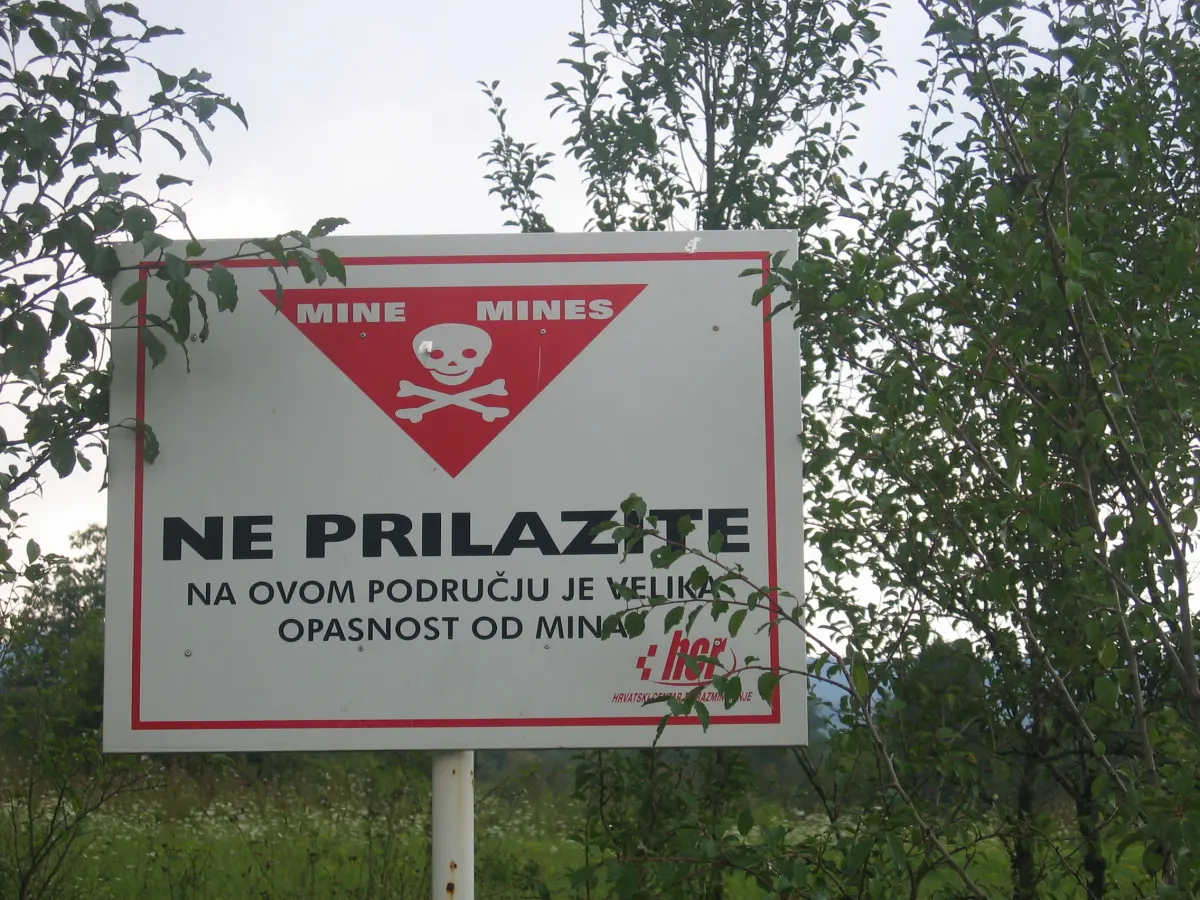
The war of 1991–95 left large minefields in Croatia, and for 30 years visitors were told to keep to the paths. On 27 February 2026 Croatia announced that clearance was complete. The secretariat of the international treaty that bans mines, the Ottawa Convention, published its declaration in March. For ordinary visitors, mines are no longer a reason to worry.
What was done
- Almost 107,000 mines and several hundred thousand other unexploded pieces were found and removed, at a cost of about €1.2 billion. Deminers died doing it.
- Every area known or suspected to be mined has been checked and released.
- The government goes on with warnings and education, and takes calls about anything found.
Why some advice still warns you
In November 2026 the UK's travel advice still listed eastern Slavonia, Brod-Posavina and Karlovac counties, areas round Zadar county and remote parts of Plitvice, and Canada's told hikers to watch for mine signs. Such pages are slow to change, and being careful costs you nothing.
What to do
- Tourist areas, the coast, the islands, national park paths and roads: walk as you would anywhere.
- In the old front-line areas, such as Lika, the Dalmatian hinterland behind Zadar and Šibenik, Banovina, western and eastern Slavonia and the edges of the Kopački rit wetlands, keep to marked paths and worked land, and not only for this reason. There are ruined houses, wells and cellars.
- Respect any sign, red with a skull or MINE, and any tape. An old one may have been left behind, but you can't tell.
- Don't touch shells, grenades, rockets or anything metal that looks military. Old munitions from both world wars, as well as from the last, turn up in forests, fields, caves and in the sea. Mark the place, go back the way you came, and ring 112 or 192.
- After a wildfire or flood, things come to the surface. During fires in old war zones munitions have exploded.
- Don't buy or take home war souvenirs: carrying ammunition across a border is a crime.
Over the border
Bosnia and Herzegovina isn't clear. Large areas are still mined, including hills near Mostar, Trebinje and the Una valley. On a trip there, stay on roads and paths that people plainly use, don't stop to walk in the woods, and don't enter ruined buildings. See Land borders.
Places to learn about it
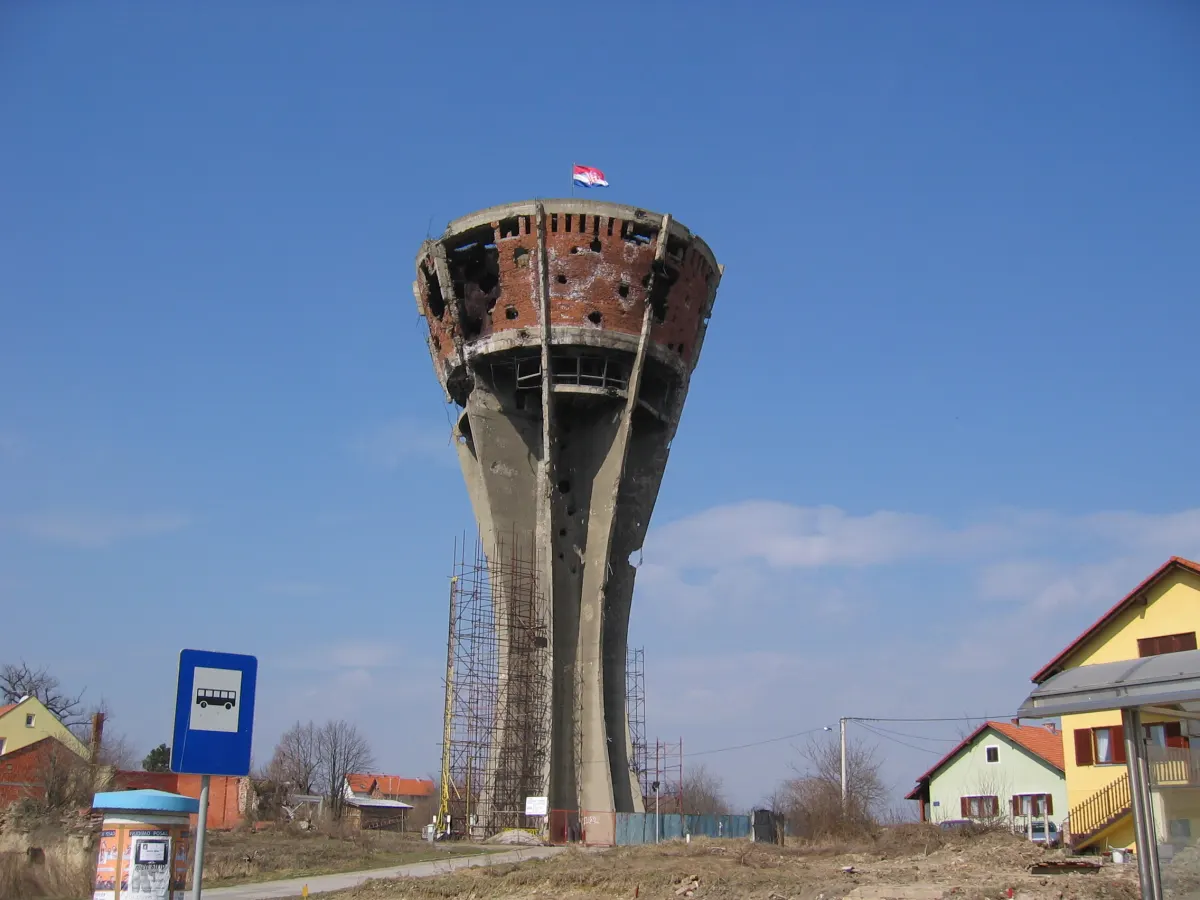
The war museums at Fort Imperial above Dubrovnik, in Karlovac (Turanj), and the hospital and Ovčara memorials at Vukovar. The fields you drive by are safe because people walked them, one step at a time.


Comments