
Buses and city transport in Croatia: long-distance coaches, tickets, luggage, trams, taxis and apps
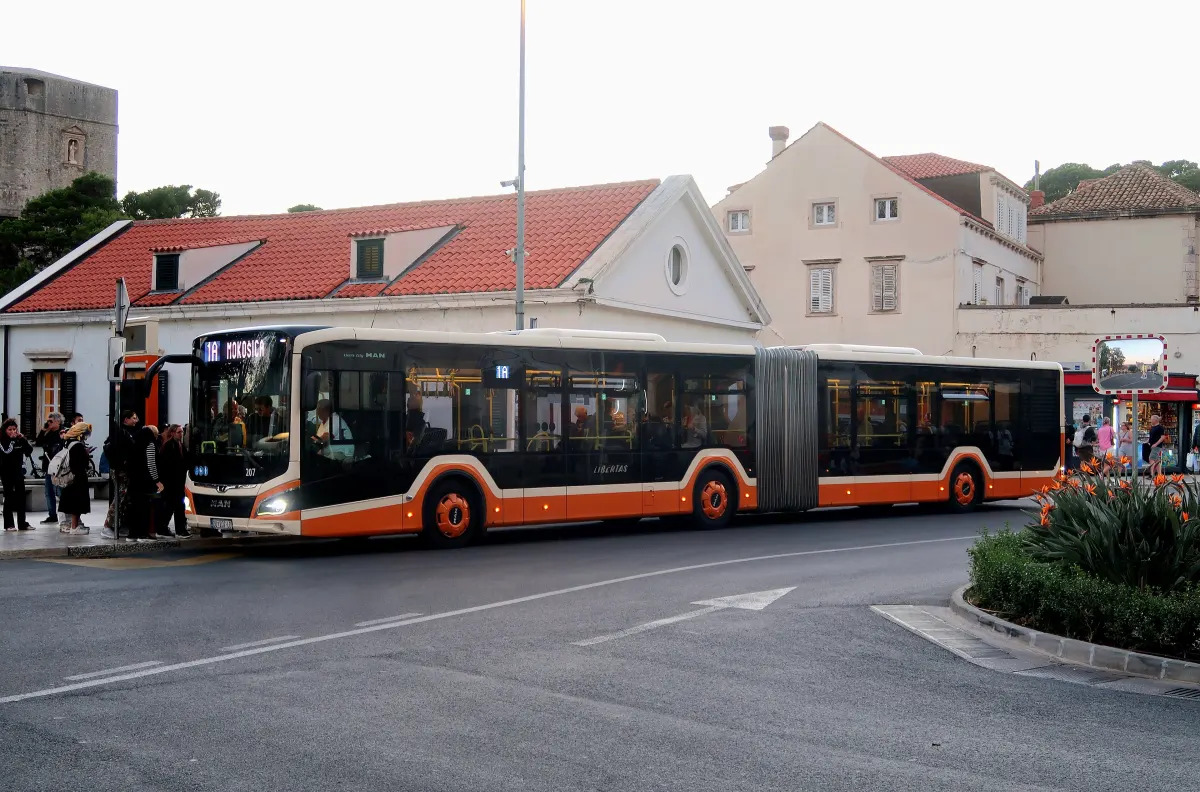
South of Zagreb buses do what trains do elsewhere. They go to every town on the coast, several times a day, along some of Europe's best sea views.
Main routes
Rough times on an ordinary day. In July and August, add up to half as much again on the coast road.
- Zagreb to Plitvice: 2 to 2½ hours. Plitvice to Zadar: about 2 hours.
- Zagreb to Zadar: 3½ hours. Zagreb to Split: 5 to 6 hours.
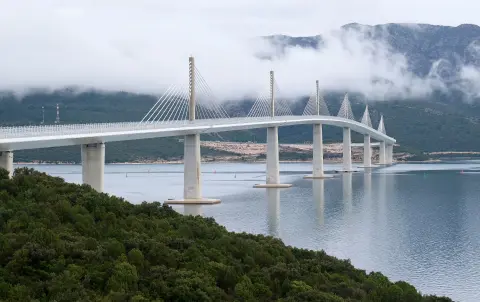
- Zadar to Split: 3 hours. Split to Dubrovnik: about 4 hours, mostly over the Pelješac Bridge, and usually about €15 to €25.
- Zagreb to Rijeka: 2½ hours. Rijeka to Pula: 2 to 2½ hours. Pula to Rovinj: 45 minutes.
- Split to Skradin or Šibenik, for Krka: 1½ to 2 hours.
Tickets
- Many companies share the routes, among them Arriva, FlixBus, Nomago and Croatia Bus. Compare on their sites, or on a Croatian ticket site such as GetByBus. Not all buses are on any one of them.
- Buy ahead in summer. A booked seat number is often ignored. Sit on the sea side: right going south, left going north.
- A ticket is for one company's bus, not for the next one along.
- Bags in the hold often cost extra, about €1 to €2 each in cash to the driver. Have coins.
- Drivers on small local buses sell tickets for cash.
Stops on the road
- At Plitvice buses stop by Entrance 1 and Entrance 2 on the main road. Know the time of your bus on, as there's no proper station, and be there early.
- Long trips have a break of 15 to 20 minutes. Drivers leave when they say.
- On Sundays, public holidays and in winter there are far fewer buses, and to some islands and villages none.
In Zagreb
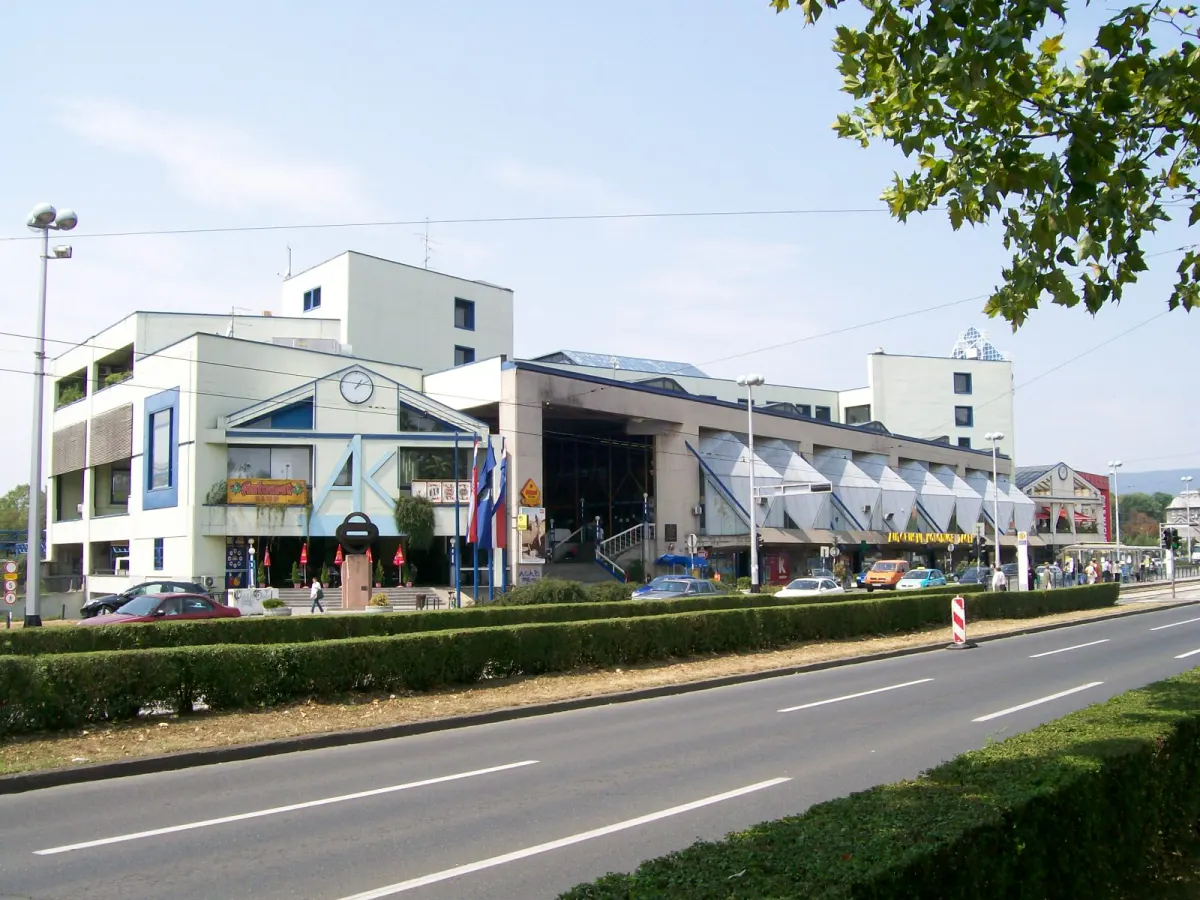
- Blue trams cross the centre, and the old town is walkable. Buy a paper ticket at a kiosk, or use ZET's app. A 30-minute ticket was about €0.55 and a day ticket about €4 in 2026. Validate it at the machine by the first or last door.
- The tiny funicular climbs to the Upper Town in about a minute.
On the coast
- Split: local buses to Solin, Trogir and the beaches. The centre has no cars.
- Dubrovnik: Libertas buses link the Old Town (Pile), Gruž port, Lapad and Babin Kuk. Single tickets cost less at a kiosk or in the app than from the driver. The Dubrovnik Pass includes them.
- Islands: buses wait for the ferries, and that may be the only bus. Get straight on.
Taxis
- Uber and Bolt work in Zagreb, Split, Dubrovnik, Zadar, Rijeka and Istria, less well in winter. They show the price first.
- With a rank taxi, look for the price list on the window, and ask for the meter or agree a price. Taxis on Hvar and in Dubrovnik are the dearest. The UK's travel advice mentions sexual assaults in taxis: send a friend the car's number and share your trip in the app. See Safety.
- Water taxis charge by the boat or the person. Agree on the way back, too.
Comments