
Driving in Croatia: rules, licences, speed limits, drink-driving, hire cars, parking, coast roads and islands
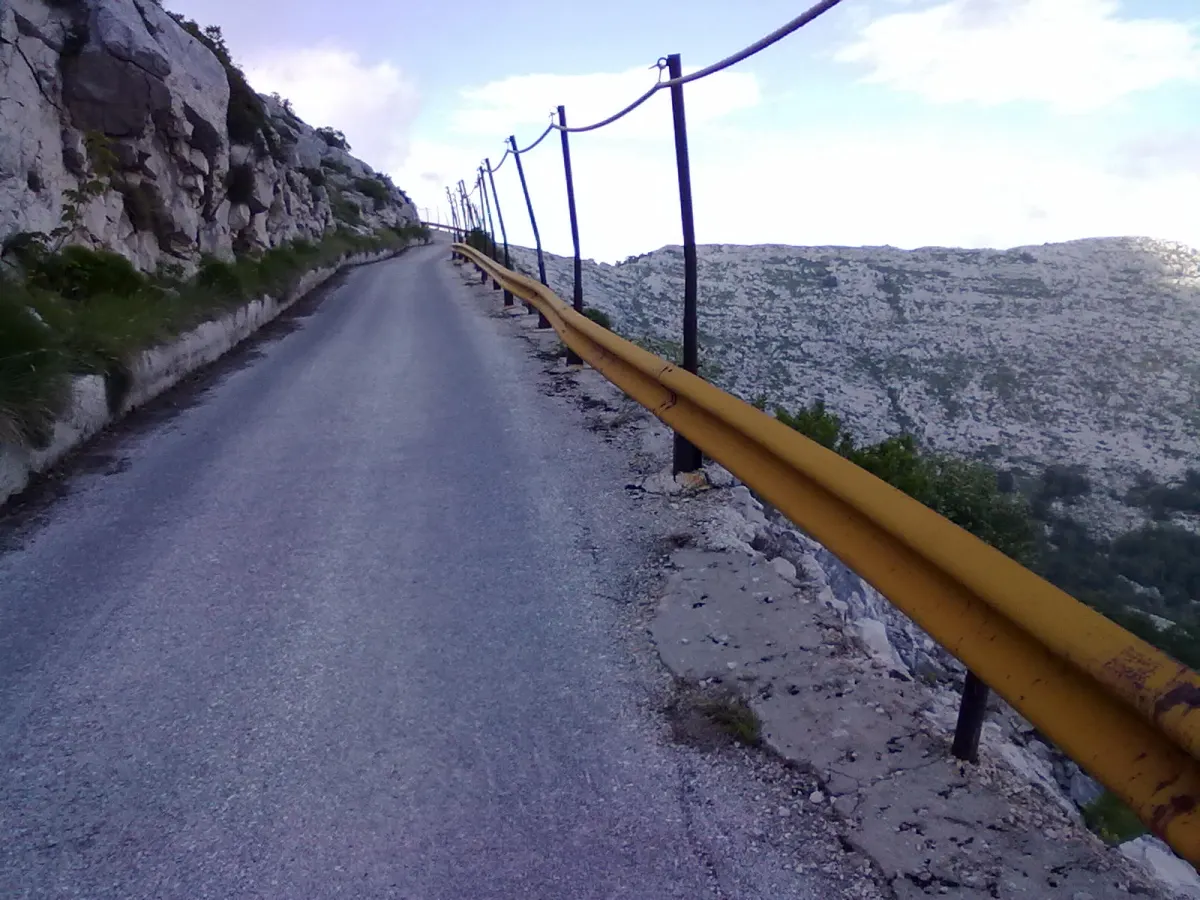
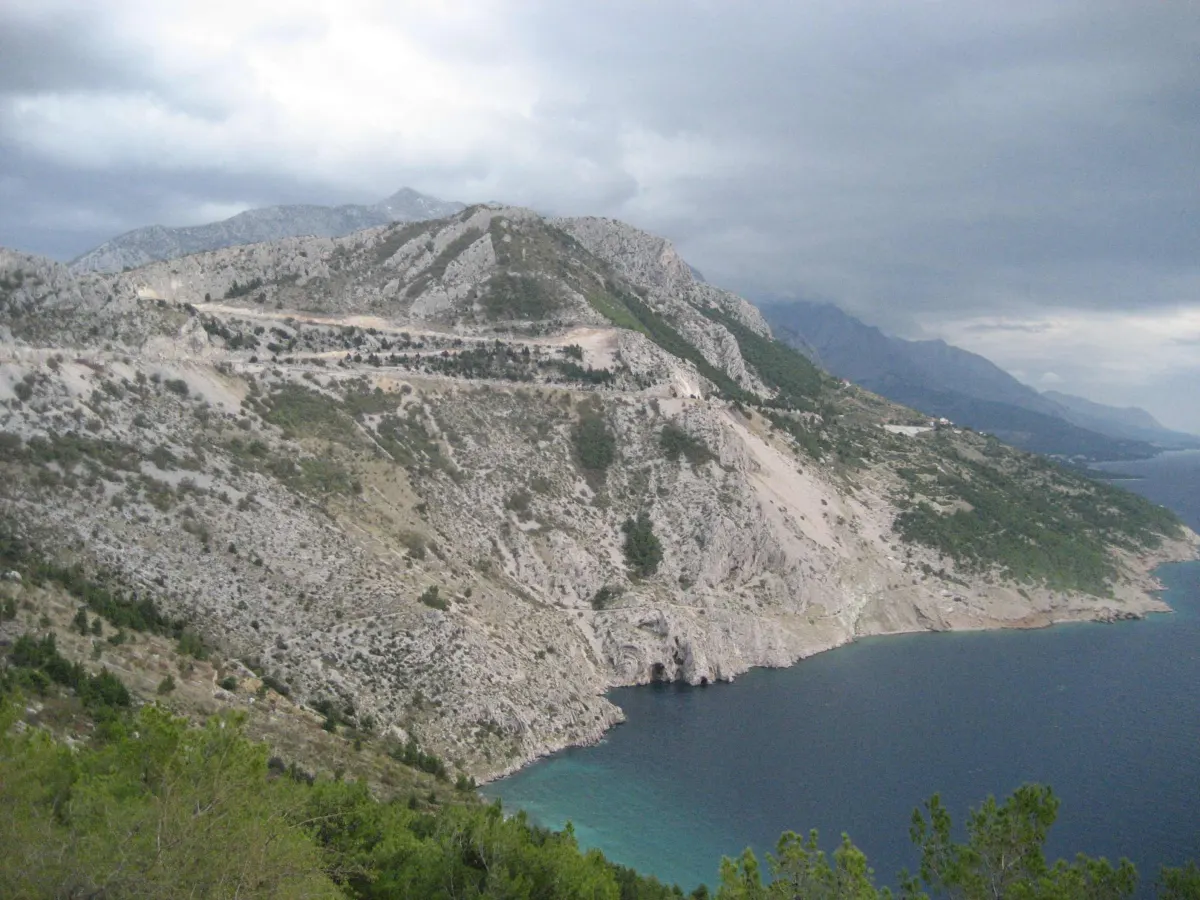
A car is the best way to see Istria, inland Dalmatia and the national parks, and a burden in Dubrovnik, Split and Hvar Town. Motorways are excellent and empty outside July and August. The coast road, the Jadranska magistrala (D8), is beautiful and slow. Tolls have a page of their own, as they change in March 2027.
Your licence
- EU, UK, Swiss and similar photocard licences are accepted. UK licences are good for a year.
- Visitors from the USA, Canada, Australia and New Zealand can drive on their own licence, and Canada's advice is to carry an International Driving Permit as well. Hire companies may ask. If yours isn't in Latin letters, you need one.
- Hire cars are usually for drivers of 21 or more with a licence for at least a year or two, with a fee under 25.
The rules
- Drive on the right. Limits: 50 km/h in towns, 90 outside, 110 on fast roads, 130 on motorways. Less for drivers under 25 and with trailers.
- Alcohol: 0.5 for most drivers, and zero for young drivers (up to 24) and professionals.
- Headlights on by day from 1 November to 31 March. Motorbikes always.
- Winter equipment from 15 November to 15 April on the signed mountain roads, such as the motorways through Lika and Gorski Kotar: winter tyres with 4 mm of tread, or summer tyres and chains in the boot.
- No phone in the hand: €130. Seat belts everywhere. Wear a reflective vest when you get out on the road, and keep it inside the car, not in the boot. Carry a warning triangle.
- Children under 135 cm need a suitable seat. Under-12s sit in the back, with small exceptions.
- In autumn 2026 the government was planning a smaller camera tolerance and much higher fines. Cameras, average-speed checks and police cars are common. Fines paid quickly cost less, and follow you home in the EU.
On the road
- The coast road has bends, hidden drives and impatient locals. Pull over to let them pass.
- Saturdays in July and August are changeover day. The motorway to Split and the tunnels at Sveti Rok and Mala Kapela back up for hours. Travel midweek, or before 6 am.
- The bura wind closes the Maslenica bridge, the road under Velebit and parts of the A1, first to campers and motorbikes. The club HAK shows it live, in English.
- Inland, watch for deer, boar, and in Lika and Gorski Kotar even bears at dusk.
- The island of Hvar's eastern road, and roads on Vis and Pag's side lanes, are narrow. Allow an hour for 40 km.
Dubrovnik's camera zone
- From 1 April to 31 October 2026 only vehicles with a permit could drive through the zone round the Old Town: from Ilijina glavica by Zagrebačka street to Viktorija, and by Pile to Boninovo. Cameras read number plates. Motorbikes were exempt. Expect it again in 2027.
- If your accommodation is inside, the owner must arrange a permit before you come. Otherwise park at Gruž or Lapad and take the bus. A park and ride was being built at Pobrežje.
Parking
- Old towns are closed to cars. Streets are zoned, and you pay at machines or by app or text. Central Dubrovnik and Split in summer cost several euros an hour. Choose rooms with a space.
- Badly parked cars are towed, at well over €100. Private firms put notices demanding a day's price on windscreens at car parks: pay at the machine, and keep the ticket.
- Leave nothing in sight at beaches and trailheads.
Hire cars
- Small and manual is normal. Book automatics early. Photograph the car all round.
- Ask before you take it on a ferry, as damage at sea may be excluded, and across a border: see Land borders.
- One-way hire between Zagreb, Split and Dubrovnik is easy. For islands, leave the car on the mainland if you can.
- Scooters and quads injure many visitors. Wear a helmet. Your travel insurance may need an extra for them.
Fuel, charging and help
- Prices are alike everywhere, a little higher on motorways. Small islands may have one pump, or none. Chargers are common on the motorways and in hotels, and rare on islands.
- Breakdown: 1987 (HAK), or +385 1 1987 from a foreign phone. Emergencies: 112. After an accident with any damage, call the police, 192: hire companies want their report.
Comments