
Wildfires in Croatia: the fires of 2026, when the risk is highest, bans on open fires and barbecues, and what to do
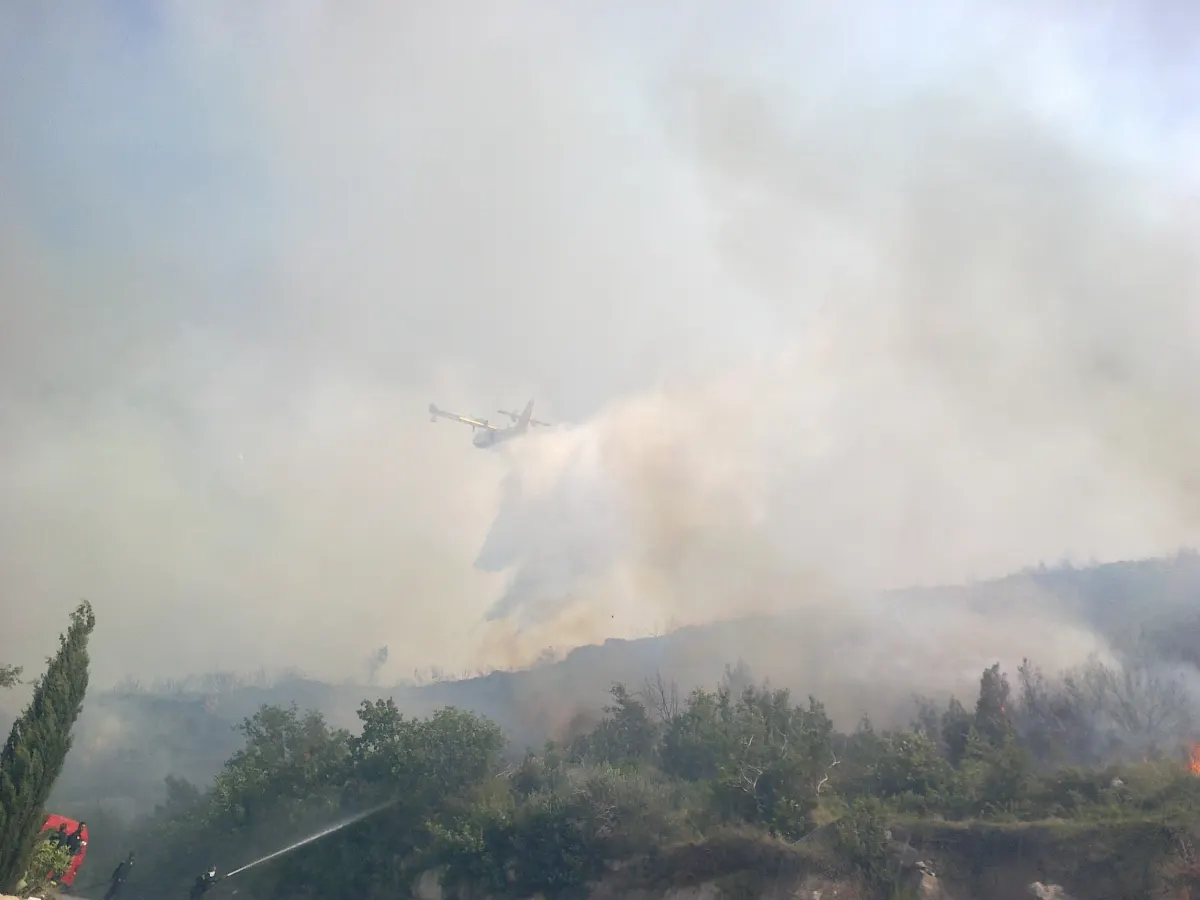
Pine woods, dry scrub, heat and wind make the Croatian coast burn every summer. Most fires are put out within hours. Some aren't. On the night of 13 August 2026 a fire driven by shifting wind came down on the resort of Omiš, south of Split. It burnt houses, cars and boats, killed one person, and put about 40 in hospital, some gravely hurt. More than a thousand people were moved out, some by sea.
When and where
- June to September, and dry spells in March and October. The day before the Omiš fire Split measured 39.7 °C, its highest ever.
- Dalmatia most of all: the coast from Zadar to Dubrovnik, and the islands. In 2026 there were also serious fires on Korčula, Pelješac, Čiovo, Dugi Otok and round Zadar.
- After thunderstorms, and whenever the bura blows over dry ground.
The rules
- From 1 June to 31 October open fires and barbecues outdoors are illegal, except in places set aside for them. That includes disposable barbecues on the beach and camping stoves in the woods.
- Starting a fire on purpose: a fine of €2,000 to €20,000, or prison. You can be fined for one you start by accident.
- No fireworks, sky lanterns or bonfires. At a rented house, ask if the grill may be used.
- Parks and forest roads, as on Biokovo, can be closed on dangerous days.
Don't be the cause
- Stub cigarettes out in an ashtray, never from a car or on the ground.
- Don't park on dry grass: the exhaust can light it.
- Take away glass and rubbish. Don't use a generator or power tools outdoors at midday.
Be ready
- When you move into a house or campsite in a wood, find two ways out, one of them to the sea. Don't block the road or gate with your car, and point it outwards.
- Keep passports, medicines, phone and shoes together, and the phone charged and with sound on. Croatia sends loud warnings to all phones in an area.
- Power and water can fail, and the coast road close. Keep half a tank of petrol, and drinking water.
- Many walking and sailing trips pass through one-road valleys. In great heat and wind, pick the beach instead.
If there's a fire
- Ring 112 or 193 and say where. Don't assume that somebody has.
- Leave early if told, or if you see flames or smell thick smoke. Go downhill and across the wind, not the way the wind is blowing, to a road, bare rock, or the sea.
- Wear cotton, long sleeves and closed shoes. Cover nose and mouth with a wet cloth. Stay low.
- If you can't get out, stay in a building with windows and shutters closed, away from trees, or in a car on bare ground with windows up, vents shut and lights on. Don't run uphill, or through flames.
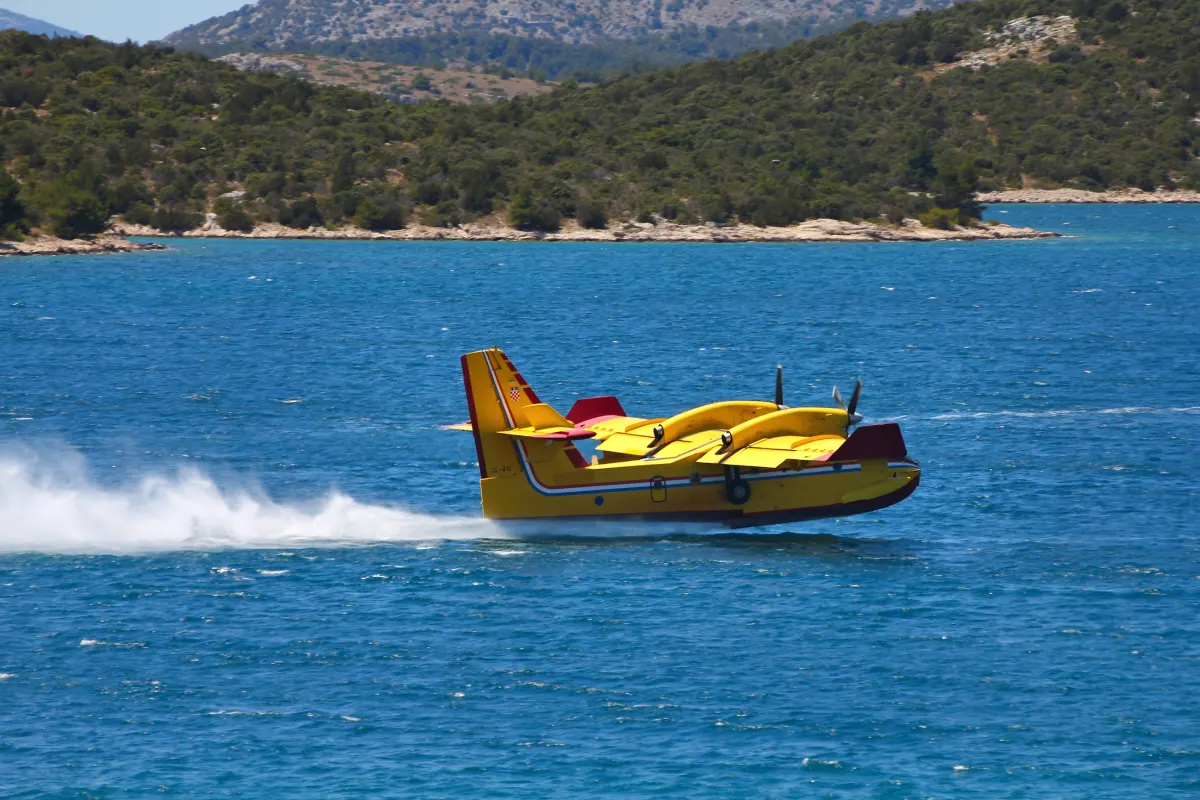
- On a boat, keep well off, for smoke and for the planes. Canadairs scoop water from bays at speed: clear the bay at once, and swimmers get out.
- Don't stop to film, or fly a drone. It grounds the aircraft.
After it
If your hotel is cut off, your travel company must look after you on a package. Tell your family and your embassy that you're safe. Watch for smouldering ground, falling branches and rocks on roads. Smoke is bad for asthma: see Health.
See also When to go and Sea safety for the winds.



Comments