
Health and insurance in Croatia: EHIC and GHIC, doctors, tourist clinics, pharmacies, ticks, mosquitoes and heat
Croatian hospitals are good in the cities, and stretched on the islands in summer. Nothing special is needed to visit, but travel insurance is, even for EU citizens.
Insurance and cards
- With a European Health Insurance Card (EHIC), or a British GHIC, you get necessary state care on the same terms as Croats. There's always a share to pay, up to about €530 for a stay, says the UK.
- It doesn't cover private clinics, rescue by boat or plane, or the flight home. Insurance does. Check that it includes boats, scooters, diving and hiking.
- Without a card, you pay the full price, often at once. Keep receipts.
Where to go
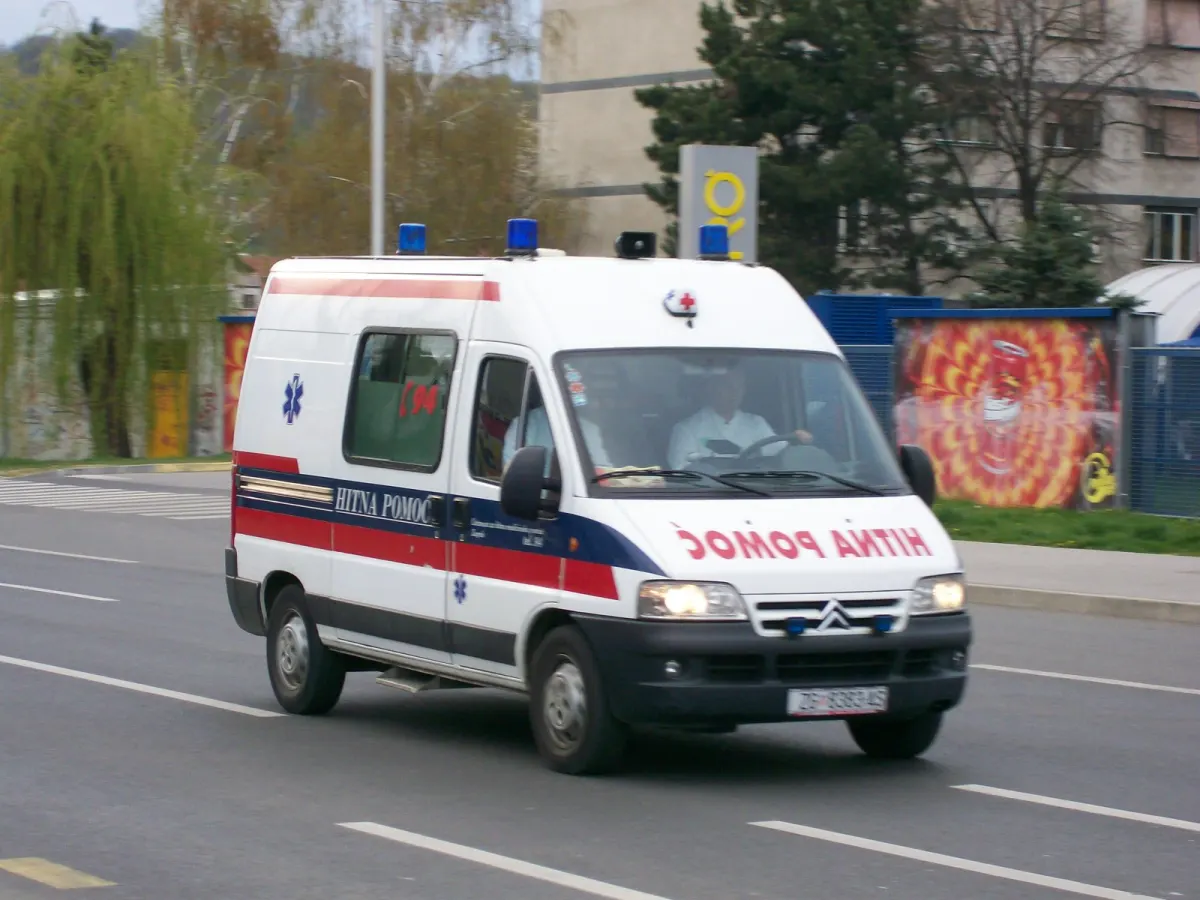
- 194 or 112 for an ambulance. Hitna means emergency.
- The main hospitals are in Zagreb, Split, Rijeka, Zadar, Pula, Šibenik and Dubrovnik. Islands have a small clinic, and helicopters or fast boats for serious cases.
- Tourist clinics (turistička ambulanta) open in the season. In Split-Dalmatia county in 2026 they ran from 1 June to 30 September in Split, Omiš, Trogir, Makarska, Hvar and Supetar. Pula, Poreč, Rovinj and others in Istria have them too. You pay a fixed fee unless a card covers you.
- Private clinics and dentists are common in Zagreb, Split and Istria. Ask the price first: there's no upper limit.
- Doctors usually speak English.
Pharmacies
- A ljekarna has a green cross. In cities one is open all night (dežurna). Small islands may have none, or one open for a few hours.
- Ordinary painkillers are sold in pharmacies only. Antibiotics need a prescription.
- Bring your own medicine in its box, and enough for a storm that keeps you on an island.
Ticks
- From April to November, in grass and woods, mostly inland and in the north. They carry Lyme disease and, between the Sava and Drava and in Gorski Kotar, tick-borne encephalitis. If you'll hike or camp there, ask about the vaccine.
- Check yourself each evening. Pull a tick straight out with tweezers. See a doctor for a spreading red ring, or fever.
Mosquitoes
- West Nile virus came back in 2026: 16 people had caught it in Croatia by 7 October, most known cases from August on, with infected crows in Zagreb, which sprayed against mosquitoes.
- The tiger mosquito, which bites by day, is all along the coast. The UK lists a risk of dengue, though local cases are very rare.
- Use repellent, above all at dusk from July to October, and in Slavonia, the Neretva delta and Kopački rit.
Snakes and other animals
- The nose-horned viper (poskok) lives on stony ground, walls and paths from Istria to Dubrovnik. Wear boots, look where you put your hands, and don't disturb one. If bitten, keep still, don't cut or tie the limb, and ring 112.
- Brown bears live in Gorski Kotar, Lika and Velebit. They avoid people. Keep food out of tents.
- Stings in the sea: see Sea safety. Don't touch bats or stray animals, because of rabies.
Heat and sun
In August 2026 Split reached 39.7 °C. Pale stone and water double the sun. See the walls, ruins and hill paths before 10 or after 5, drink often, and rest at midday. Heatstroke (confused, hot, no sweat) is an emergency. Ask whether your room has air conditioning.
Water and food
Tap water is safe, and food hygiene good. Raw shellfish is best from a farm or a busy restaurant.
Other things
- Rescue by the mountain service, HGSS, has been free. Evacuation to your own country isn't.
- Smoke from wildfires can be heavy. Carry your inhaler.
- Old towns are all steps and polished stone: bring shoes that grip, and ask about lifts. Ramps and sea hoists are at a good number of town beaches.


Comments