
Sea safety in Croatia: bura and jugo winds, boats, currents, jellyfish, sea urchins and other stings
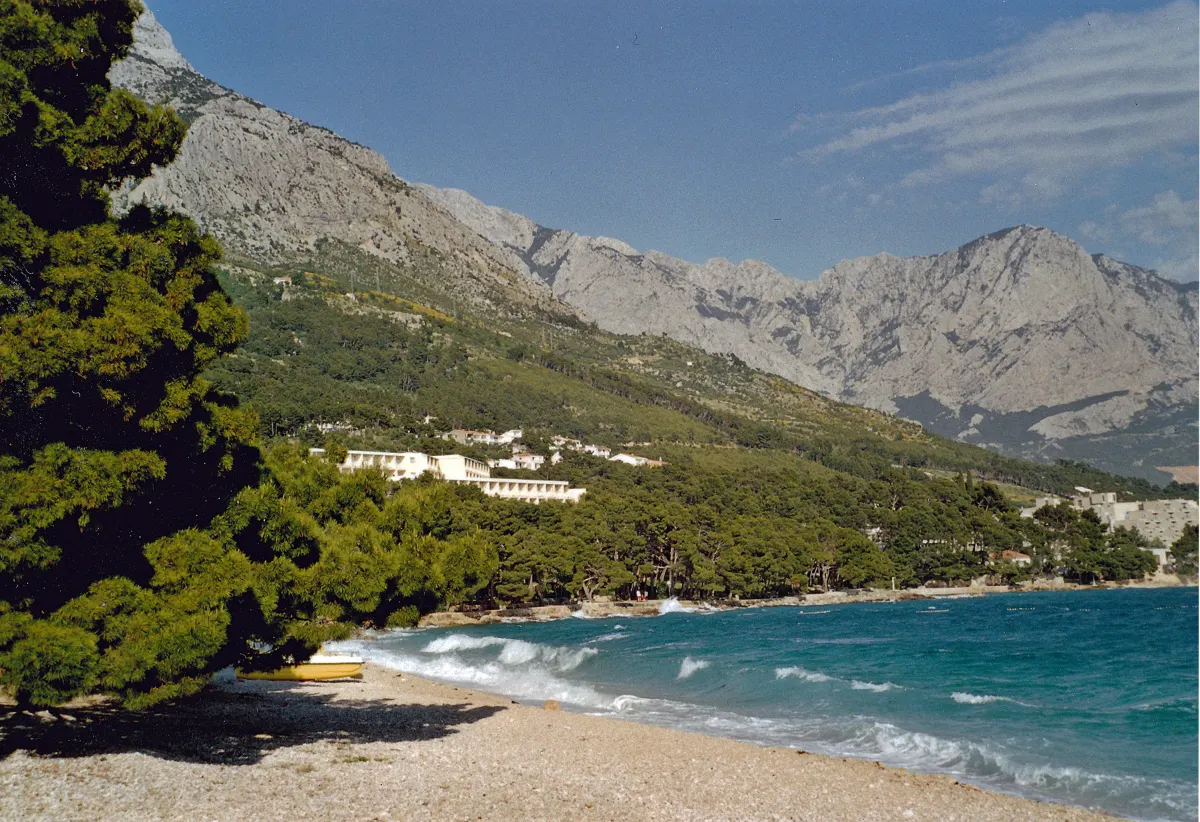
Croatia's sea is clear, calm on most summer days, and rated among the cleanest in Europe. It has almost no tide. What catches people out is the wind, the boats, and the rocks.
Wind
- Bura: a cold, dry, violent wind that drops off the mountains in gusts, most in winter, but in any season. It's worst under Velebit, at Senj, in the Velebit channel, round Pag, Split and Makarska. The sky is clear. It blows offshore, so it takes anything that floats out to sea.
- Jugo: a warm, wet south-east wind that builds for a day or two, with high waves and rain. Beaches open to the south, and the walls of Dubrovnik, get heavy surf.
- Maestral: the pleasant sea breeze of summer afternoons, good for sailing, and strong at Bol and Viganj, where the windsurfers are.
- Nevera: a sudden summer thunderstorm with fierce gusts. It can turn a flat sea dangerous in 15 minutes. When you see a dark cloud in the west, get out and off the boat.
- The weather service, meteo.hr, gives warnings in English, yellow to red.
Boats
- Propellers are the worst danger. Marked beaches have a line of buoys: stay inside it. Boats under power must keep 50 m from the shore, and more from beaches, but not all do.
- Snorkelling or swimming further out, tow a bright buoy and stay near land. Never swim across a channel or a harbour.
- Renting a small boat? You need a licence for nearly all of them: see Sailing.
Inflatables, paddleboards and kayaks
An offshore wind can carry a child on a lilo out of reach in minutes. Use them only inside the buoys. On a board or in a kayak wear a life jacket and leash, take a phone in a waterproof pouch, and start against the wind.
On the shore
- Most beaches are pebble or rock. Rubber shoes save your feet. Sand is at Lopar on Rab, Nin, Sakarun, Mljet's Saplunara and Lumbarda.
- It gets deep quickly. Don't dive where you can't see the bottom, and don't jump from cliffs.
- Lifeguards are few, in season only, on Blue Flag and town beaches.
- Water quality is posted at each beach and online. After heavy rain, wait a day near town outlets.
Jellyfish
- Most you'll see are harmless or mild: the round moon jelly, the big white barrel jelly with a violet rim, and the fried-egg jelly.
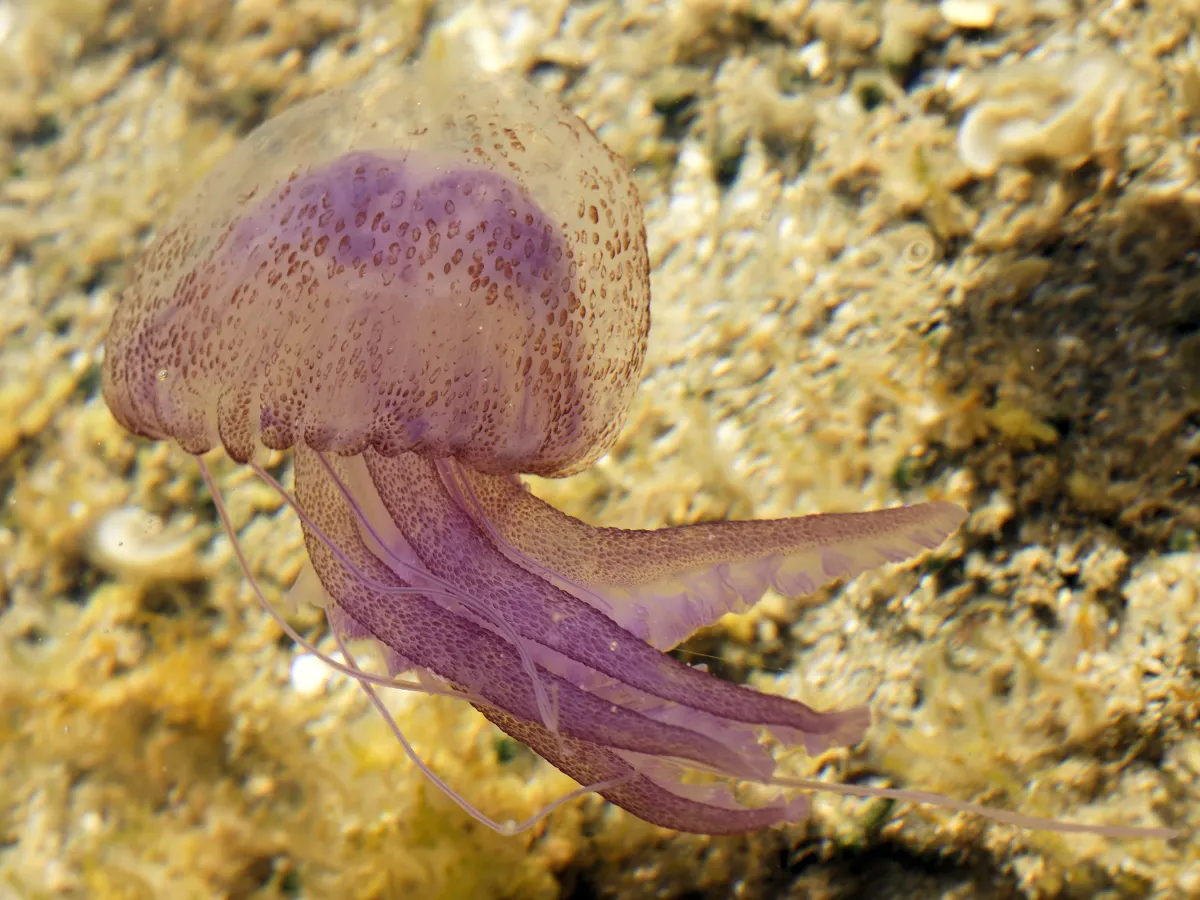
- The mauve stinger (Pelagia noctiluca), small, pinkish and speckled, with long threads, stings hard. It comes in swarms with currents, and not every year. The compass jelly stings too.
- If stung: get out, rinse with sea water, not fresh. Lift off threads with a card or tweezers, not fingers. Don't rub. Then cool it. Get help (194) for a sting in the face, trouble breathing, dizziness, or a child with large welts.
Spines and other stings
- Sea urchins: black, on rocks, and a sign of clean water. If you tread on one, soak the foot in warm water with vinegar, and take out what comes easily. A doctor can do the rest if it swells.
- Weever fish (pauk) lie in sand in the shallows, and scorpionfish on rocks. The pain is fierce. Put the limb in water as hot as you can bear for half an hour or more, and see a doctor.
- Lionfish have been spreading up the coast since 2021, and have reached the Kornati. Striped and beautiful, with venomous spines. Fireworms have bristles that burn. Look, don't touch. The treatment for lionfish is hot water too.
- Stingrays and moray eels leave you alone if you leave them.
- Sharks are very rarely seen, and attacks almost unknown.
Heat and drink
Many who drown in Croatia are older people who overheat, drink, and go in suddenly. Cool down first, don't swim after a big meal with wine, and don't swim alone or at night.
Help
195 is the maritime rescue centre in Rijeka, or VHF channel 16. 112 works too. Divers with decompression sickness should say so at once: there are recompression chambers on the coast, and 112 will send you to the right one.



Comments