
Money in Croatia: euros, cards, cash machines that charge too much, prices, tipping, Sunday shopping and VAT refunds
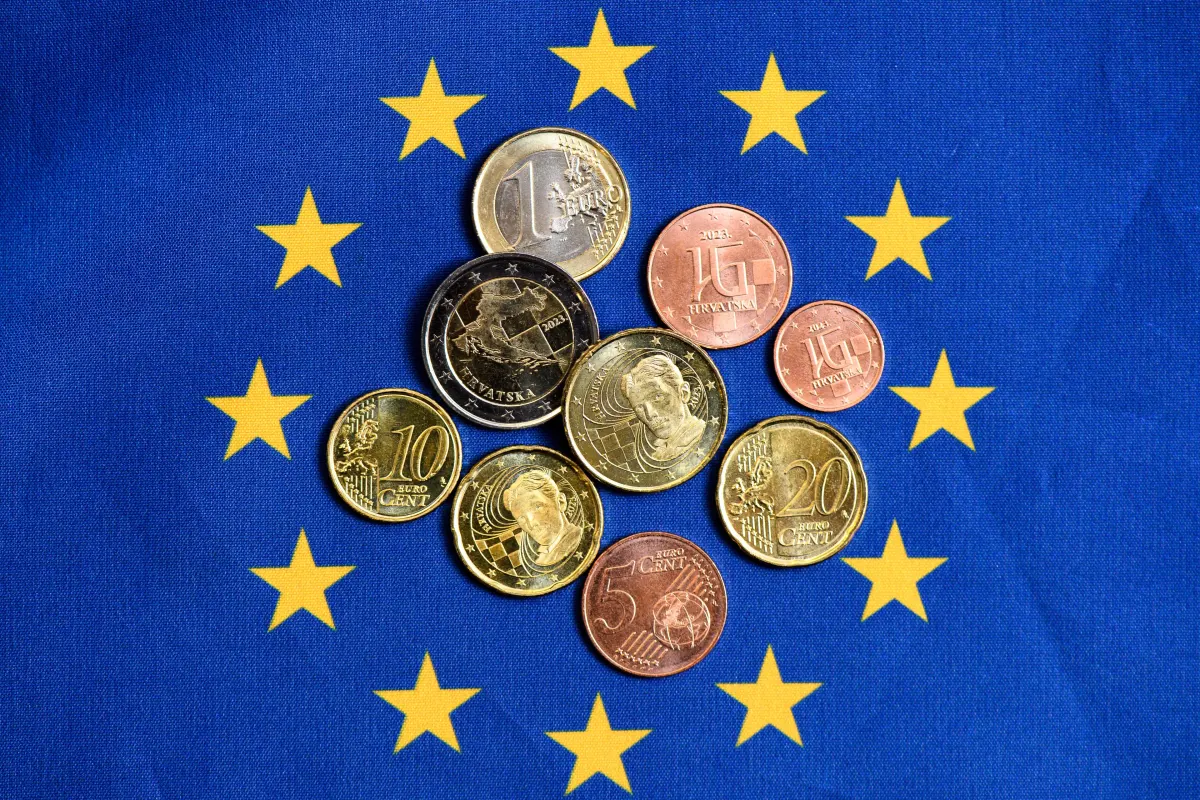
Croatia has used the euro since 1 January 2023. Kuna notes are worth nothing in shops. Prices on the coast in summer are no longer low: Dubrovnik and Hvar cost as much as Italy. Inland, in spring and autumn, your money goes much further.
Cards and cash
- Cards and phones work in hotels, supermarkets, petrol stations and most restaurants. Contactless is normal.
- Carry cash for market stalls, small konobas, bakeries, beach bars, luggage on buses, boat trips, private rooms and mountain huts. €100 in small notes is a good start for an island.
- If a machine asks whether to charge you in euros or your own currency, choose euros.
Cash machines
- The blue and yellow Euronet and other machines in old towns and at ports charge high fees and offer very poor exchange rates. Walk on to a bank's machine: PBZ, Zagrebačka banka, Erste, OTP, Raiffeisen or HPB.
- Many banks charge foreign cards too, often €4 to €6 each time. The screen must say so first. Cancel if it's too much, and take more at once.
- Always decline the conversion that a machine offers.
- On small islands there may be one machine, and it can run out on a summer weekend.
What things cost
Rough prices in 2026. The lower end is inland, the upper is Dubrovnik or Hvar in August.
- Espresso €1.50 to €3.50. Half a litre of beer €3 to €7. Glass of house wine €3 to €7.
- Burek or a slice of pizza €2.50 to €4. Pizza €9 to €16. Main course €12 to €30. Fresh white fish €50 to €90 a kilo.
- Double room €60 to €250, and more.
- Two sun loungers and an umbrella €20 to €60 a day.
- Plitvice or Krka in summer €40: see Plitvice and Krka. Dubrovnik's walls €40.
In a restaurant
- Fish is sold by weight. Ask to see it and what it will cost before it's cooked.
- A cover charge (couvert) for bread is common, €1.50 to €4 a head. It should be on the menu.
- You're entitled to a printed receipt with a code (račun). If you don't get one, ask.
Tipping
- It isn't compulsory. Round up in a café or taxi. In a restaurant about 10% for good service is generous and welcome.
- Service isn't normally added. Check that it isn't already on the bill.
- A waiter can add the tip to a card payment only if you say so first. Cash is simplest.
- Guides, skippers and drivers on a day trip: €5 to €10 a person if you were happy. On a week's charter people often give the skipper 10% of the fee.
Shopping
- By law a shop may open on only 16 Sundays a year, so most big shops on the coast save them for summer. Bakeries, kiosks, petrol stations, and shops at stations are open. On public holidays nearly all close.
- Bottles and cans carry a €0.10 deposit. Return them at a supermarket.
- Visitors from outside the EU can claim VAT back on larger purchases. Ask for the tax-free form, and have it stamped when you leave the EU.
See also Tourist tax and Safety.

Comments