
Wine and drink in Croatia: Plavac Mali, Pošip and Malvazija, wine roads, rakija, beer, coffee, prices and night-time sales bans
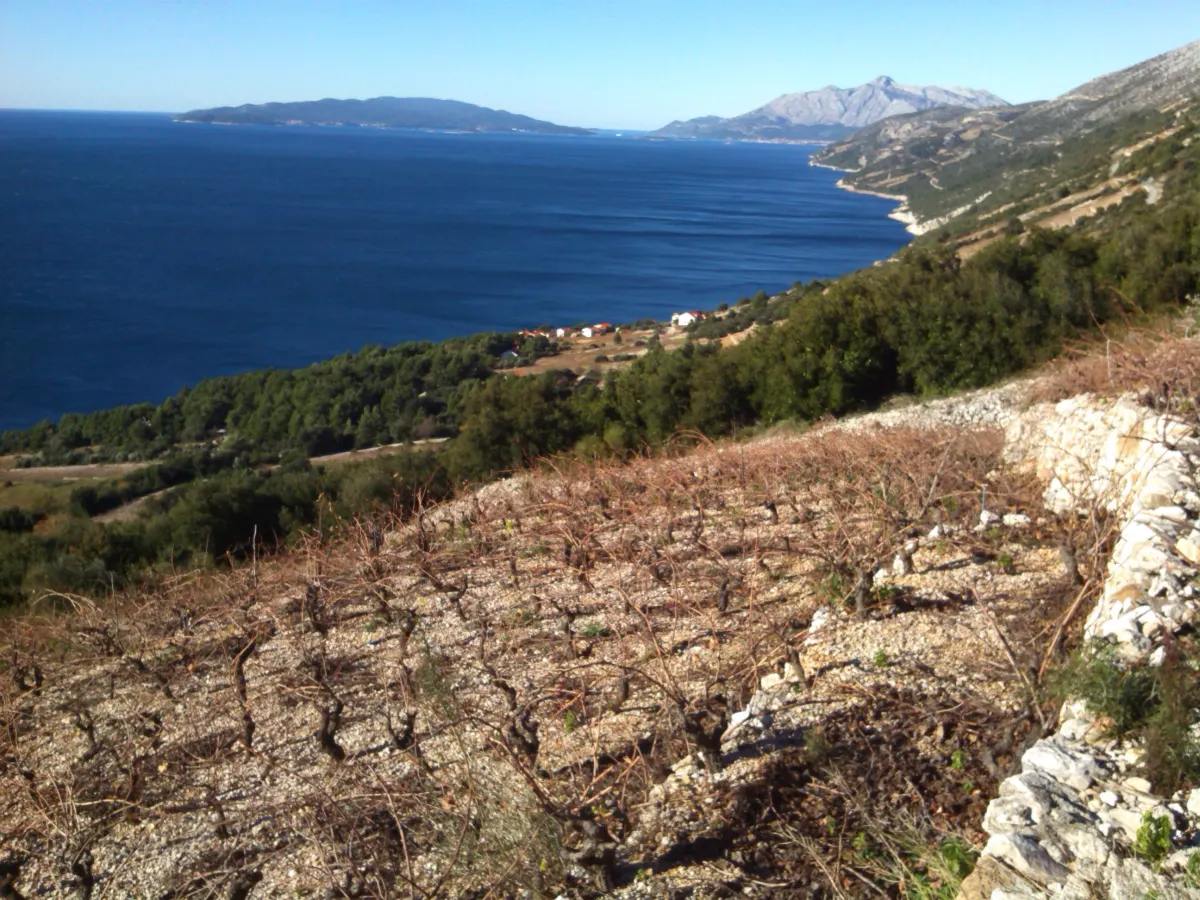
Croatia has well over a hundred grapes of its own, and drinks most of what they make. Little is exported, so the wines here will be new to you. One of them, Crljenak Kaštelanski, turned out to be the ancestor of California's Zinfandel.
Reds
- Plavac Mali: dark, strong and dry, from the steep south slopes of the Pelješac peninsula and the islands. Dingač and Postup are the famous sites. Up to 15% or more.
- Teran: Istria's sharp red, good with ham and game. Babić, from Primošten's stone-walled vineyards.
Whites
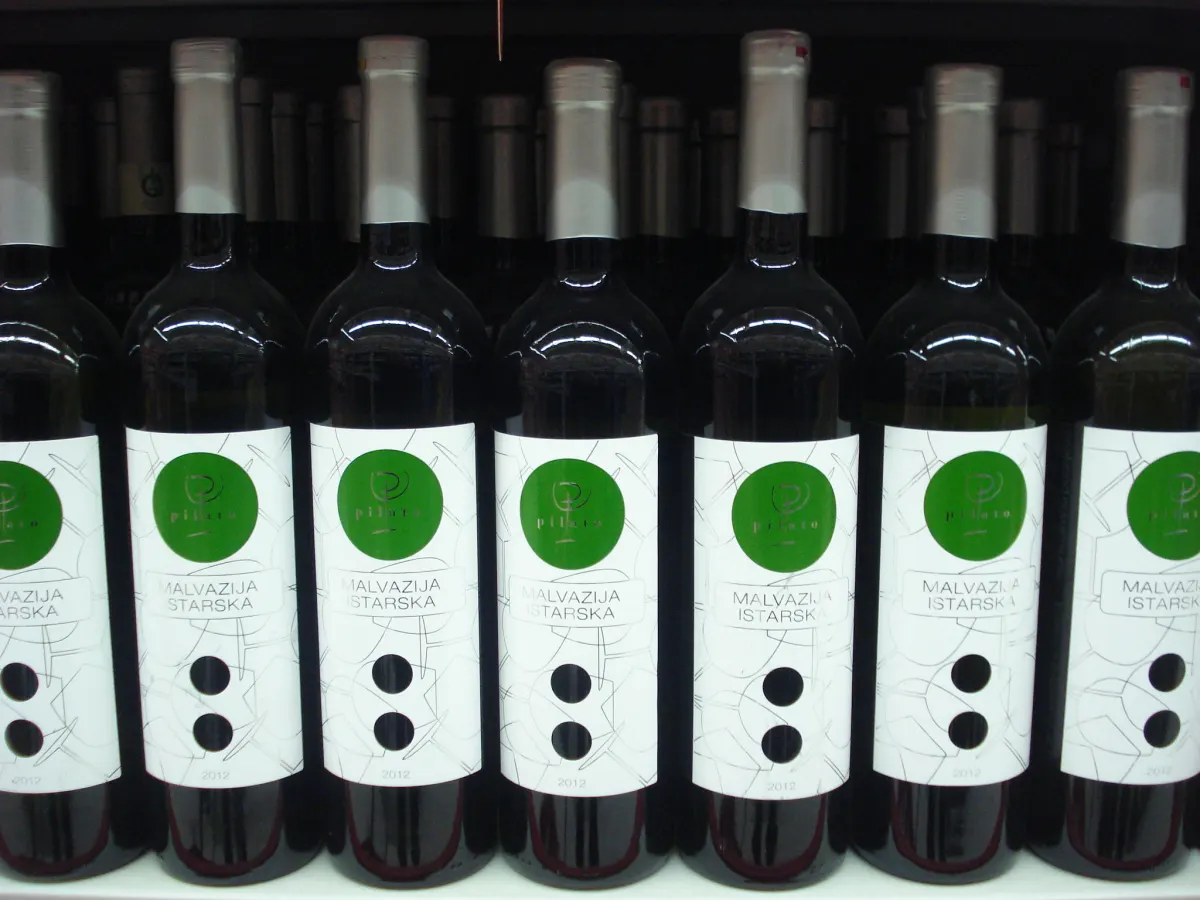
- Malvazija Istarska: Istria's fresh everyday white, some aged in oak or acacia.
- Pošip and Grk: Korčula. Grk grows almost only in the sand at Lumbarda.
- Vugava: Vis. Bogdanuša: Hvar. Žlahtina: Vrbnik, on Krk. Debit and Maraština: round Šibenik.
- Graševina (Welschriesling): the most planted grape, from Slavonia and the Danube at Ilok.
- Prošek: sweet Dalmatian wine from dried grapes. It isn't Prosecco.
Visiting wineries
- Pelješac: Potomje, Trstenik and Orebić, an hour or two from Dubrovnik. Join oysters at Ston to it.
- Istria: round Momjan, Motovun, Poreč and Vodnjan, with olive oil tastings too. See a week in Istria.
- Near Zagreb: the Plešivica hills (sparkling wine), and Međimurje.
- Ring the day before. A tasting is about €15 to €40 with ham and cheese. Somebody must stay sober: the alcohol limit for young drivers is zero, and 0.5 for others. See Driving.
At the table
- House wine (domaće vino) is by the decilitre, or half litre, and usually decent.
- Gemišt: white wine with sparkling water. Bevanda: red wine with still water. Bambus: red wine with cola, as bad as it sounds and well loved.
- Živjeli! is "cheers". Look people in the eye.
Rakija
Fruit or herb brandy, offered on arrival, before a meal and after it. Travarica has herbs, orahovac walnuts, medica honey, biska (Istria) mistletoe, and šljivovica plums. Sip it. It's fine to refuse a second. Maraschino, from sour cherries, is Zadar's. Pelinkovac is bitter wormwood.
Beer and soft drinks
- Ožujsko and Karlovačko are the two big lagers. There are craft bars in Zagreb, Split, Rijeka and Osijek.
- Cedevita is a vitamin drink, Cockta a herbal cola, Jamnica a mineral water.
Coffee
Coffee is the national pastime. People sit over one for an hour, and nobody hurries you. Kava is an espresso, bijela kava a milky one, and kava s mlijekom something between. Takeaway cups are rare outside Zagreb. Cafés often have no food at all.
Rules
- You must be 18 to buy alcohol.
- In 2026 Split banned shops, kiosks and petrol stations from selling alcohol between 9 pm and 6 am, from 1 June to 15 September (the first year from 19 August). Makarska had done the same in July. Bars and restaurants aren't affected. Other towns may follow in 2027.
- Drinking in the street is fined in many old towns: see Safety.
- Boats: no alcohol for whoever is in charge. Drunk swimming kills people every summer.
For what to eat with it, see Food.


Comments