
7 days in Japan: Tokyo, Kyoto, Nara and Osaka
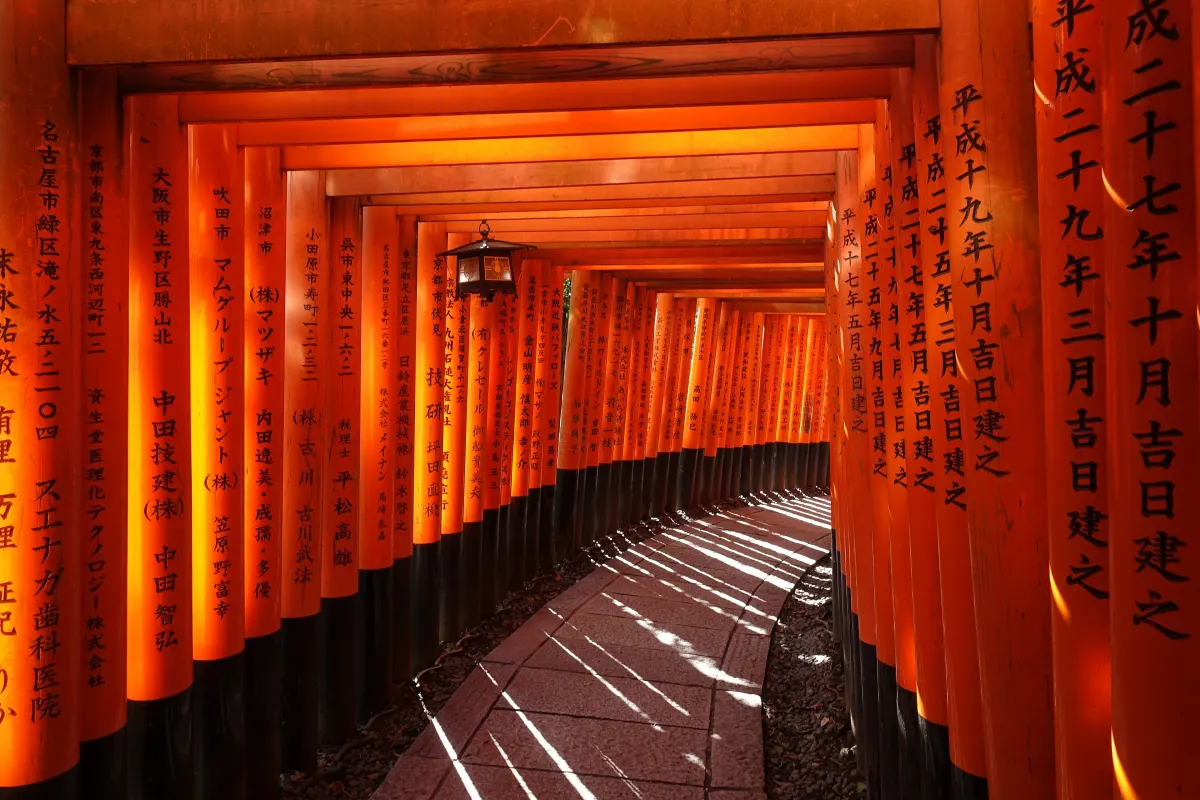
This is the classic first trip to Japan: Tokyo's neighbourhoods, Kyoto's temples and shrines, a day in Nara and an evening of street food in Osaka. It's an easy trip by train, and fly into Tokyo and home from Osaka's Kansai Airport if you can, so you don't have to go back.
Map of the route
Tokyo to Kyoto by shinkansen, about 475 km
Kyoto to Nara and Osaka by train, about 79 km
With an extra day: Osaka to Himeji, about 86 km
Click a dot for the place. Labels show where you stay. Route from OpenStreetMap (© OpenStreetMap contributors, ODbL).
Before you go
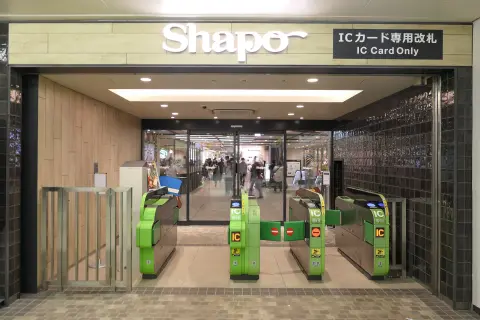
- Tickets: a 7-day Japan Rail Pass costs much more than the train fares for this route, so buy tickets as you go, with an IC card for the city trains. See Trains in Japan and IC cards in Japan.
- Luggage: send big bags from your Tokyo hotel to Kyoto by courier, and travel on the shinkansen with a small bag.
- Where to stay: in Tokyo, near a Yamanote line station such as Shinjuku, Shibuya, Ueno or Tokyo Station; in Kyoto, near Kyoto Station or downtown round Shijō. See Where to stay in Japan.
- When: spring and autumn are lovely but crowded; see When to go to Japan.
Day 1: Old Tokyo
Start in Asakusa at Sensō-ji, Tokyo's oldest temple, early before the crowds, then walk across the river to the Tokyo Skytree for the view. In the afternoon, go to Ueno Park and the Tokyo National Museum, with the best collection of Japanese art in the world. Eat yakitori under the tracks at Yūrakuchō (see yakitori and izakaya in Tokyo).
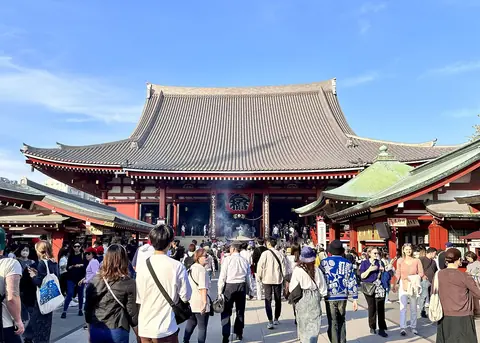
Sensō-ji Temple, Asakusa
Tokyo's oldest temple, founded in 628, entered through the Kaminarimon gate with its giant red lantern.
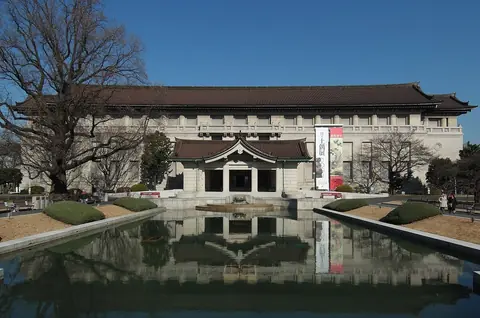
Tokyo National Museum
Japan's oldest and largest museum, founded in 1872, with the world's biggest collection of Japanese art: samurai armour and swords, Buddhist sculptur…
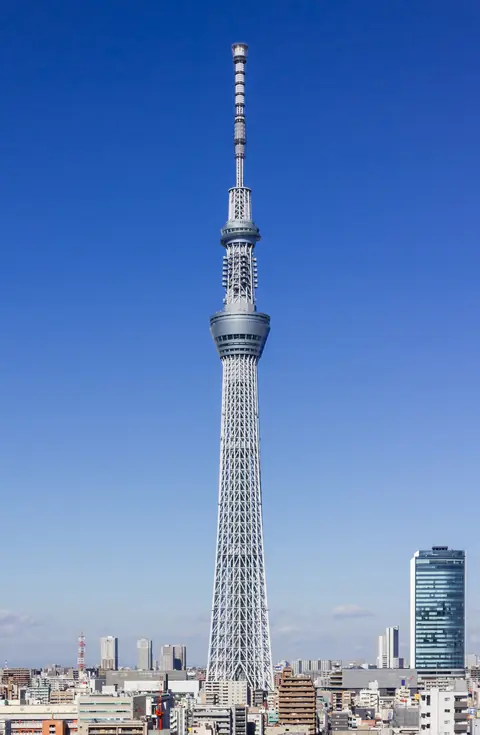
Tokyo Skytree
At 634 m, the world's tallest tower, a broadcasting tower in eastern Tokyo.
Day 2: Modern Tokyo
Have breakfast at Tsukiji Outer Market, then visit teamLab Planets (book ahead). In the afternoon, walk through the forest to Meiji Jingū and down Harajuku's Takeshita Street, then on to Shibuya Crossing at dusk. End the day with the night view from Shinjuku, or the Mori Art Museum in Roppongi Hills, open late.

Tsukiji Outer Market, Tokyo
The busy market streets left behind when Tokyo's wholesale fish market moved to Toyosu, packed with stalls selling fresh sushi, grilled seafood, tama…
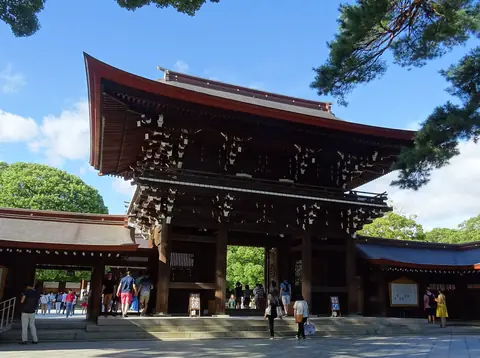
Meiji Jingū and Harajuku
A Shinto shrine dedicated to Emperor Meiji and Empress Shōken, set in a forest of 100,000 trees in the middle of Tokyo, entered through huge wooden t…
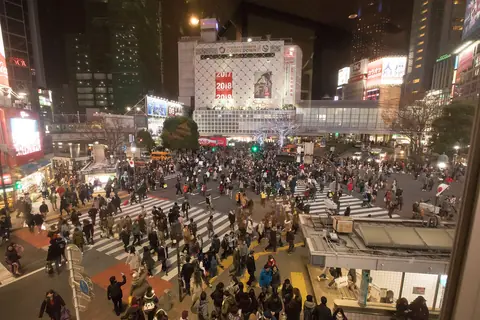
Shibuya Crossing, Tokyo
The world's busiest pedestrian crossing: when the lights change, up to 3,000 people cross from all directions at once, under giant video screens.
Day 3: A day trip, or more of Tokyo
Take a day trip: to Nikkō for its shrines and waterfalls, to Hakone for hot springs and views of Fuji, or to the Fuji Five Lakes. See Day trips from Tokyo. Or stay in Tokyo: the Ghibli Museum (book well ahead), the Edo-Tokyo Museum, or a sumo tournament if one's on.
Day 4: Shinkansen to Kyoto (about 2¼ hours)
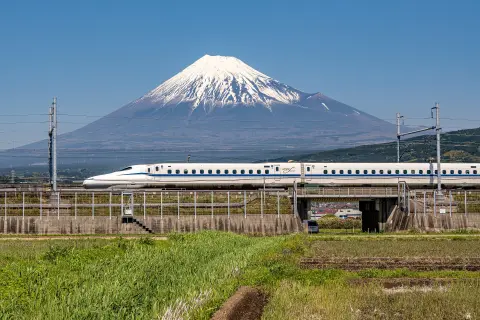
Take the shinkansen from Tokyo, sitting on the right for Mount Fuji (seat E). Buy an ekiben for the trip. In the afternoon, walk up to Kiyomizu-dera through the old lanes of Higashiyama, then down through Gion at dusk. Don't follow or photograph the geiko and maiko.
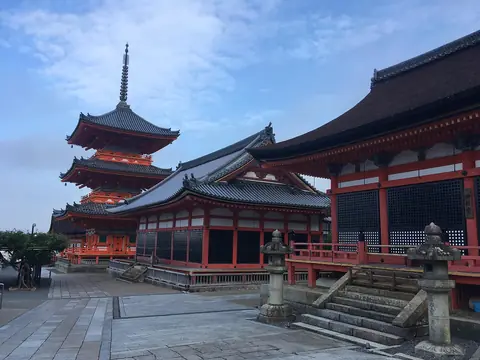
Kiyomizu-dera, Kyoto
A Buddhist temple on a wooded hillside in eastern Kyoto, famous for its wooden stage, built without nails, jutting out over the valley, with views ov…
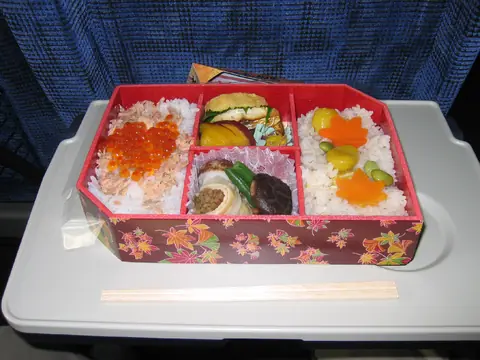
Ekiben (station lunch boxes)
Boxed lunches sold at railway stations, made to be eaten on the train, part of the fun of travelling by shinkansen.
Day 5: Kyoto
Be at Fushimi Inari Taisha at dawn, and walk up through the tunnels of red torii gates as far as you like. Then visit Kinkaku-ji, the Golden Pavilion, and Nijō Castle, with its "nightingale floors" that squeak to warn of intruders. In the evening, try a kaiseki dinner.
With an extra day, go to Arashiyama early for the bamboo grove, and to Uji for matcha.
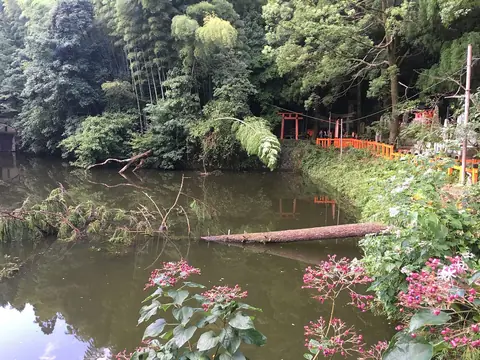
Fushimi Inari Taisha, Kyoto
The head shrine of Inari, the god of rice and business, famous for its thousands of bright vermilion torii gates, donated by businesses, which form t…
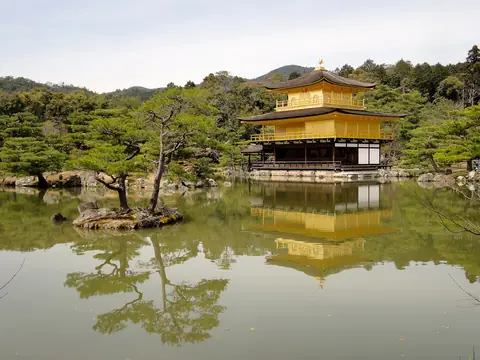
Kinkaku-ji (Golden Pavilion), Kyoto
A Zen temple whose top two floors are covered in gold leaf, reflected in a pond surrounded by pine trees and gardens.
Nijō Castle, Kyoto
The Kyoto residence of the Tokugawa shoguns, who ruled Japan from 1603 to 1867.
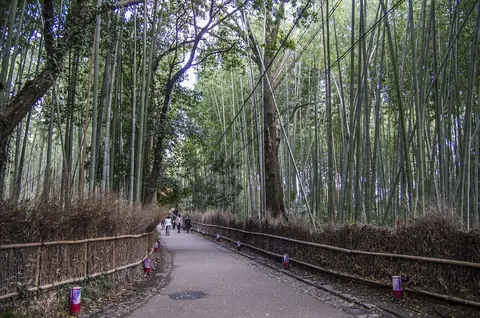
Arashiyama Bamboo Grove
A path through towering green bamboo in western Kyoto, which creaks and rustles in the wind.
Day 6: Nara, then on to Osaka (about 45 minutes, then 40 minutes)
Take the Kintetsu or JR train to Nara. In Nara Park, the tame deer bow for crackers, and Tōdai-ji holds a 15-metre bronze Buddha in one of the largest wooden buildings in the world. In the late afternoon, take the train on to Osaka, and spend the evening eating takoyaki under the neon of Dōtonbori.
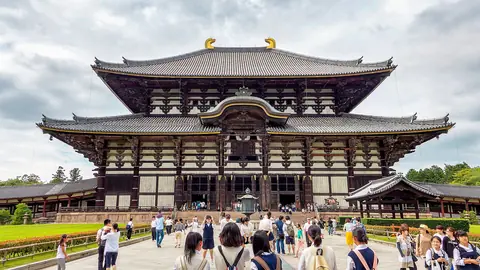
Nara Park and Tōdai-ji
Japan's first permanent capital, where more than 1,000 tame sika deer roam the park; buy deer crackers and they will bow to you.
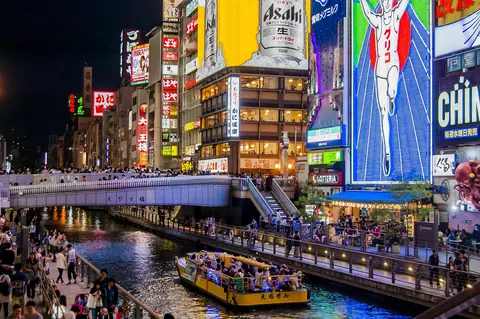
Dōtonbori, Osaka
Osaka's lively entertainment street along a canal, famous for giant neon signs, including the Glico running man, and for street food: takoyaki (octop…
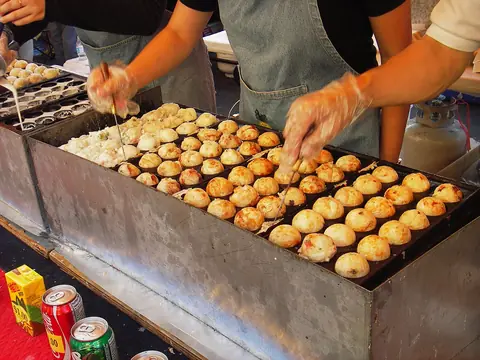
Takoyaki (octopus balls)
Osaka's favourite street snack: balls of batter with a piece of octopus inside, cooked in special moulded hotplates and turned quickly with picks unt…
Day 7: Osaka
See Osaka Castle and its park, then eat kushikatsu in the old-fashioned Shinsekai district, or conveyor-belt sushi. Kansai Airport is about an hour from central Osaka.
With an extra day, take the shinkansen to Himeji Castle, Japan's finest original castle, about 30 minutes from Shin-Osaka, or to Kobe for Kobe beef.
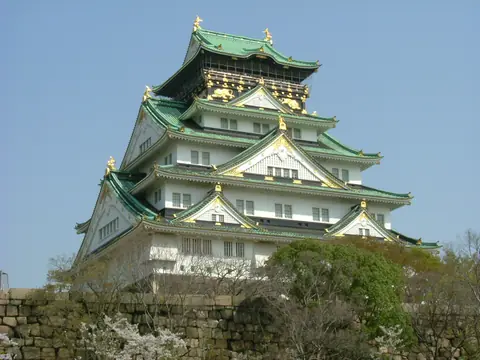
Osaka Castle
Osaka's landmark, built by the warlord Toyotomi Hideyoshi in 1583 as the grandest castle in Japan.
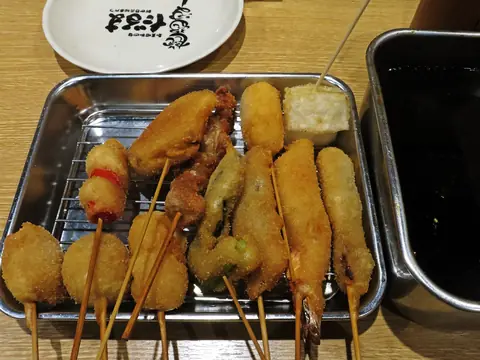
Kushikatsu in Shinsekai
Kushikatsu are skewers of meat, seafood and vegetables, coated in a light batter and breadcrumbs and deep-fried, a cheap, cheerful dish from the Shin…
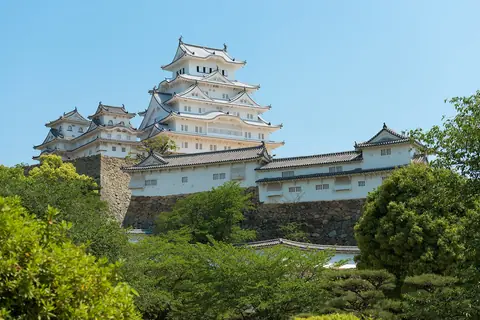
Himeji Castle
The finest surviving feudal castle in Japan, called the 'White Heron' for its brilliant white walls and roofs, a UNESCO World Heritage Site.
With more time
Add Hiroshima and Miyajima, Hakone and Kanazawa: see Two weeks in Japan.
Comments
No comments yet.