
Two weeks in Japan: the classic route from Tokyo to Hiroshima and Kanazawa
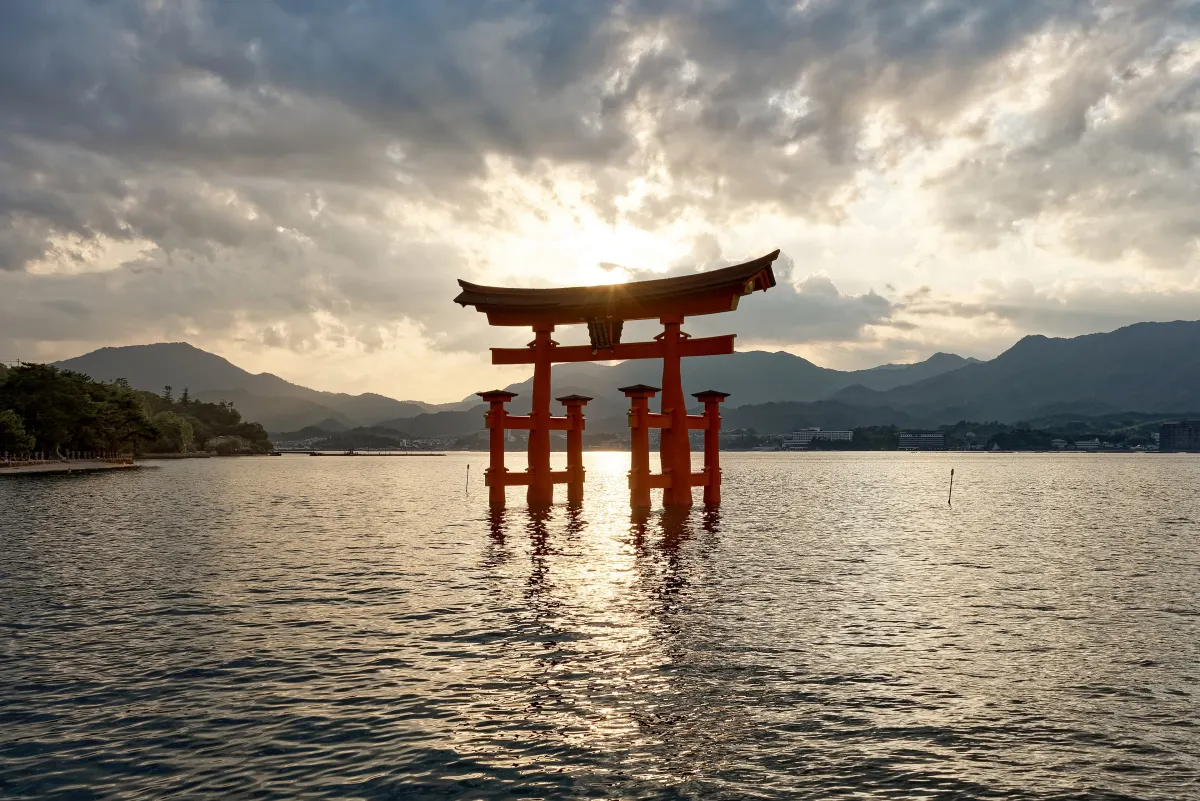
Two weeks is enough to see the best of central Japan without rushing: Tokyo, a night in a hot spring inn at Hakone, Kyoto and Nara, Hiroshima and the shrine of Miyajima, Himeji Castle and Osaka, and then Kanazawa and the farmhouses of Shirakawa-gō, returning to Tokyo on the Hokuriku shinkansen. It's a loop by train, so you can start and end in Tokyo.
Map of the route
Tokyo to Hakone and Kyoto, about 494 km
Kyoto to Hiroshima and Miyajima, about 373 km
Hiroshima to Himeji and Osaka, about 321 km
Osaka to Kanazawa and Tokyo, about 717 km
Day trip: Kyoto to Nara, about 42 km
Day trip by bus: Kanazawa to Shirakawa-gō, about 65 km
Day trip: Tokyo to Nikkō, about 136 km
Click a dot for the place. Labels show where you stay; dashed lines are day trips. Route from OpenStreetMap (© OpenStreetMap contributors, ODbL).
Before you go
- Tickets: add up the fares before you buy a 14-day Japan Rail Pass (¥80,000). For this route the main shinkansen fares come to a little less, so the pass pays off only if you add more long trips, such as Nikkō or northern Japan. The Hakone and Nara trains are on private railways anyway. See Trains in Japan.
- Luggage: send your big bags ahead by courier, especially to and from Hakone, where the mountain trains, cable car and ropeway have little room for them.
- Book ahead: a ryokan in Hakone, and hotels in Kyoto at busy times. See Where to stay in Japan.
Days 1 to 3: Tokyo
See the old city round Sensō-ji and Ueno, with the Tokyo National Museum; Meiji Jingū, Harajuku and Shibuya Crossing; Tsukiji Outer Market and teamLab Planets; and the view from the Tokyo Skytree. On day 3, take a day trip to Nikkō: see Day trips from Tokyo.
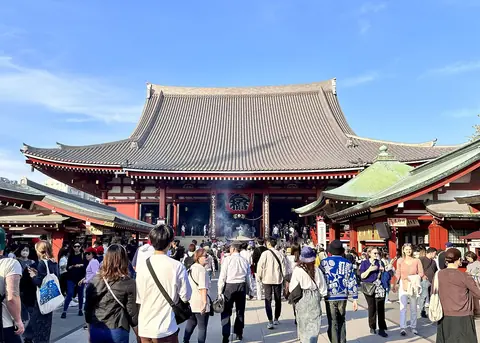
Sensō-ji Temple, Asakusa
Tokyo's oldest temple, founded in 628, entered through the Kaminarimon gate with its giant red lantern.
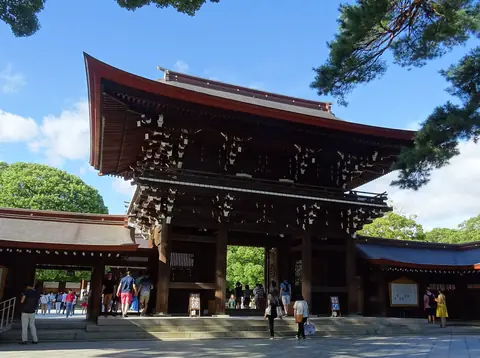
Meiji Jingū and Harajuku
A Shinto shrine dedicated to Emperor Meiji and Empress Shōken, set in a forest of 100,000 trees in the middle of Tokyo, entered through huge wooden t…

Nikkō Tōshō-gū
The lavishly decorated shrine and mausoleum of Tokugawa Ieyasu, founder of the Tokugawa shogunate, in a cedar forest in the mountains north of Tokyo,…
Day 4: Hakone (about 1½ hours)
Take Odakyu's Romancecar from Shinjuku to Hakone-Yumoto, or the shinkansen to Odawara. Buy a Hakone Freepass and go round the Hakone loop: the mountain railway, the cable car and ropeway over the steaming valley of Ōwakudani, and the pirate ship across Lake Ashi, with Mount Fuji behind it on a clear day. Spend the night in a ryokan with a hot spring bath.
With an extra day, go on to the Fuji Five Lakes by bus, for close views of the mountain and hōtō noodles.

Hakone
A hot-spring resort in the mountains near Mount Fuji, ideal for staying in a ryokan (traditional inn) and bathing in an onsen.

Mount Fuji and the Fuji Five Lakes
Japan's highest and most sacred mountain, a near-perfect volcanic cone 3,776 m high, a UNESCO World Heritage Site.
Days 5 to 7: Kyoto (about 2 hours from Odawara)
Take the shinkansen from Odawara to Kyoto. Spend three days on the city's temples, shrines and gardens: Fushimi Inari at dawn, Kiyomizu-dera and the lanes of Higashiyama, Kinkaku-ji, Nijō Castle, the Imperial Palace and the bamboo grove at Arashiyama. Try a kaiseki dinner, and matcha in Uji.
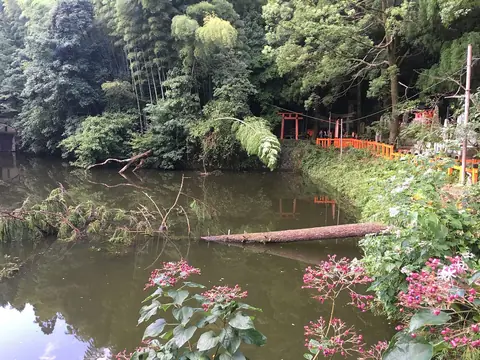
Fushimi Inari Taisha, Kyoto
The head shrine of Inari, the god of rice and business, famous for its thousands of bright vermilion torii gates, donated by businesses, which form t…
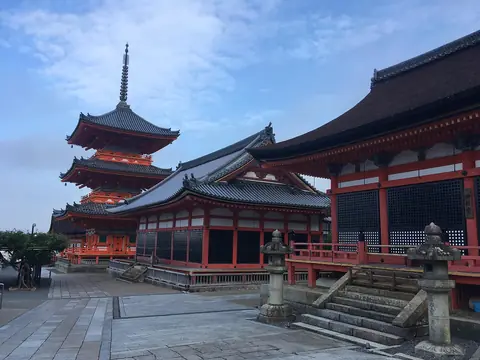
Kiyomizu-dera, Kyoto
A Buddhist temple on a wooded hillside in eastern Kyoto, famous for its wooden stage, built without nails, jutting out over the valley, with views ov…
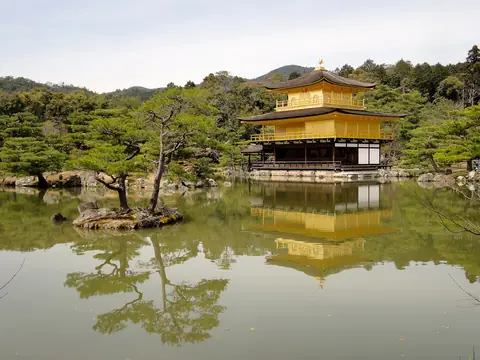
Kinkaku-ji (Golden Pavilion), Kyoto
A Zen temple whose top two floors are covered in gold leaf, reflected in a pond surrounded by pine trees and gardens.
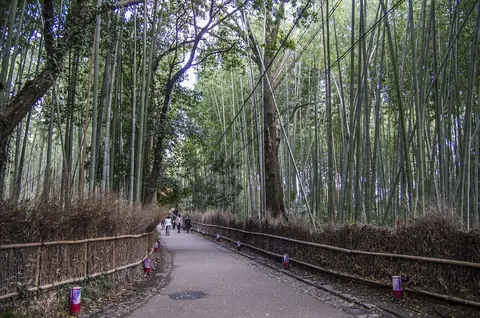
Arashiyama Bamboo Grove
A path through towering green bamboo in western Kyoto, which creaks and rustles in the wind.
Day 8: Nara (a day trip, about 45 minutes)
Take the Kintetsu or JR train to Nara, to feed the deer in Nara Park and see the Great Buddha in Tōdai-ji, then return to Kyoto.
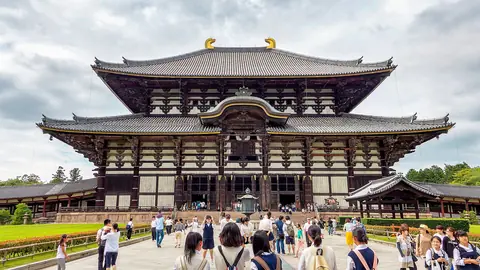
Nara Park and Tōdai-ji
Japan's first permanent capital, where more than 1,000 tame sika deer roam the park; buy deer crackers and they will bow to you.
Day 9: Hiroshima (about 1¾ hours)
Take the shinkansen to Hiroshima. Spend the afternoon at the Peace Memorial Park and its museum, a moving account of the atomic bomb and its victims. In the evening, eat Hiroshima okonomiyaki.
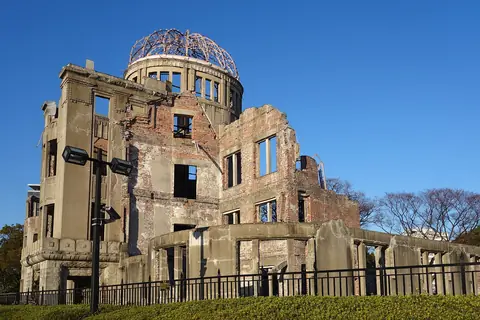
Hiroshima Peace Memorial Park
A park built near the hypocentre of the atomic bomb dropped on 6 August 1945.
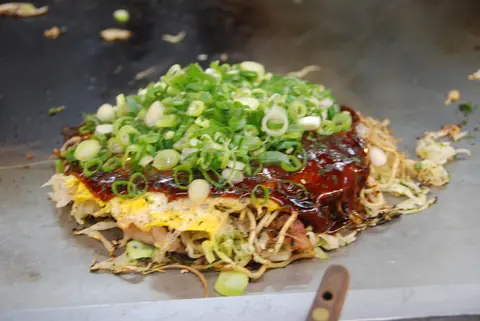
Hiroshima okonomiyaki
Hiroshima's version of okonomiyaki, Japan's savoury pancake, is built in layers on a hotplate: a thin crêpe, a tall pile of shredded cabbage, bean sp…
Day 10: Miyajima
Take the train to Miyajimaguchi (about 30 minutes) and the ferry across to Miyajima, to see the "floating" torii gate and Itsukushima Shrine. There's a small visitor tax. Go up Mount Misen by ropeway for the view over the Inland Sea, and try the grilled oysters. Stay on the island to see it quiet in the evening, or go back to Hiroshima.
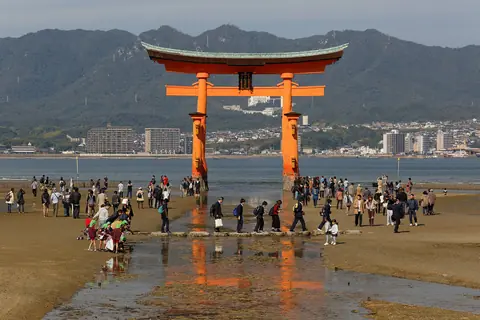
Itsukushima Shrine, Miyajima
A Shinto shrine on the island of Miyajima, built over the water, with a huge vermilion torii gate that seems to float at high tide.
Day 11: Himeji and Osaka
Take the shinkansen to Himeji (about 1 hour) and see Himeji Castle, the finest of Japan's original castles, then go on to Osaka (about 30 minutes). Spend the evening in Dōtonbori eating takoyaki and kushikatsu.
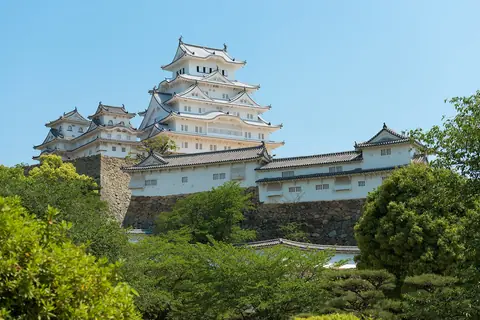
Himeji Castle
The finest surviving feudal castle in Japan, called the 'White Heron' for its brilliant white walls and roofs, a UNESCO World Heritage Site.
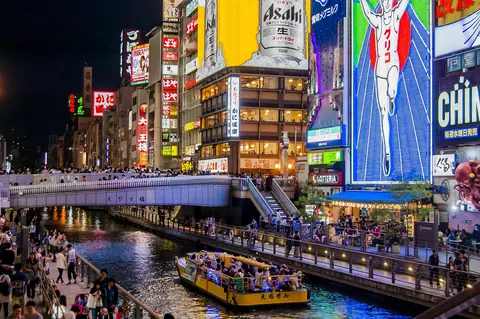
Dōtonbori, Osaka
Osaka's lively entertainment street along a canal, famous for giant neon signs, including the Glico running man, and for street food: takoyaki (octop…
Day 12: Osaka
See Osaka Castle, eat your way round the Kuromon Market and Shinsekai, or take a day trip to Kobe for Kobe beef.
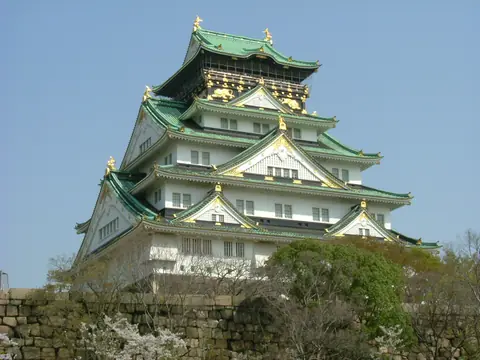
Osaka Castle
Osaka's landmark, built by the warlord Toyotomi Hideyoshi in 1583 as the grandest castle in Japan.
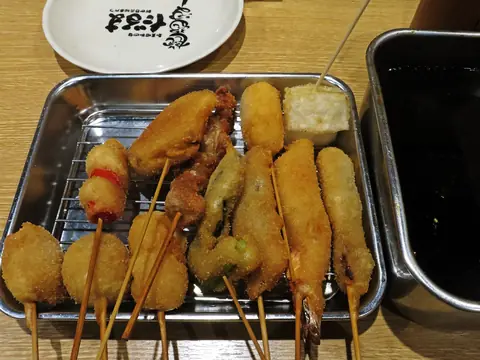
Kushikatsu in Shinsekai
Kushikatsu are skewers of meat, seafood and vegetables, coated in a light batter and breadcrumbs and deep-fried, a cheap, cheerful dish from the Shin…
Day 13: Kanazawa (about 2½ hours)
Take the Thunderbird limited express to Tsuruga and change to the Hokuriku shinkansen for Kanazawa. Kanazawa escaped bombing in the war, and has old samurai and geisha districts, and Kenroku-en, one of Japan's three great gardens. Eat seafood at Ōmichō Market.

Kenroku-en Garden, Kanazawa
One of Japan's three great gardens, created by the lords of Kanazawa over two centuries, with ponds, streams, tea houses and a two-legged stone lante…
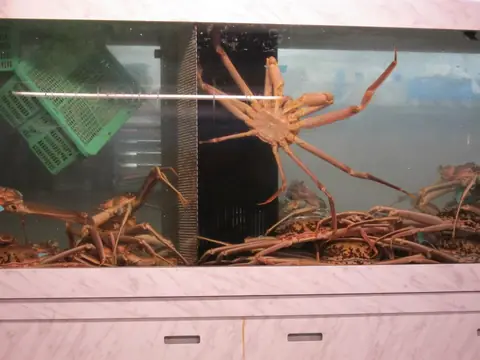
Kanazawa seafood and Ōmichō Market
Kanazawa, on the Sea of Japan, is known for its seafood and its refined Kaga cooking.
Day 14: Shirakawa-gō, then back to Tokyo
Take the bus (about 1¼ hours, book ahead) to Shirakawa-gō, a village of steep thatched farmhouses in the mountains, then return to Kanazawa and take the Hokuriku shinkansen to Tokyo (about 2½ to 3 hours). Or stay in a farmhouse in Shirakawa-gō, and go on by bus to Takayama for Hida beef.
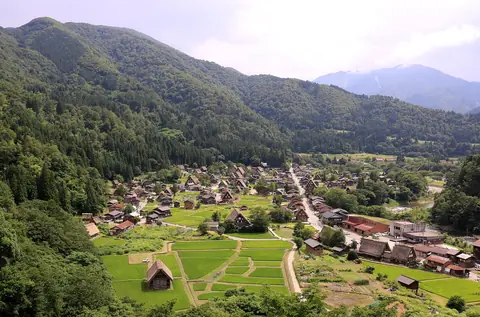
Shirakawa-gō
A mountain village of gasshō-zukuri farmhouses, with steep thatched roofs like hands joined in prayer, built to shed heavy snow, a UNESCO World Herit…
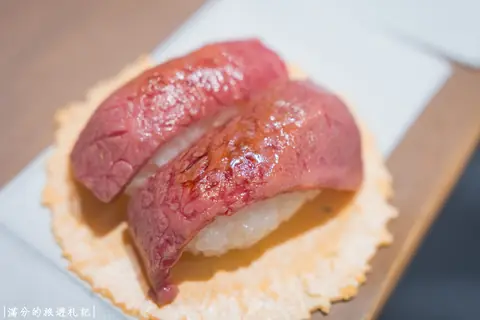
Hida beef in Takayama
Hida beef comes from black cattle raised in the mountains of Gifu, and is richly marbled and tender, one of Japan's top kinds of wagyu.
With more time
- The Japanese Alps: Matsumoto Castle, Kamikōchi and the snow monkeys, between Kanazawa and Tokyo.
- Kōya-san and the Kumano Kodō: a night in a temple at Kōya-san, and a walk on the Kumano Kodō pilgrimage trail, from Osaka.
- Naoshima: the art island of Naoshima, between Himeji and Hiroshima.
- Hokkaido: see A week in Hokkaido.
Comments
No comments yet.