
Where to stay in Japan: ryokan, business hotels, capsule hotels and temple stays
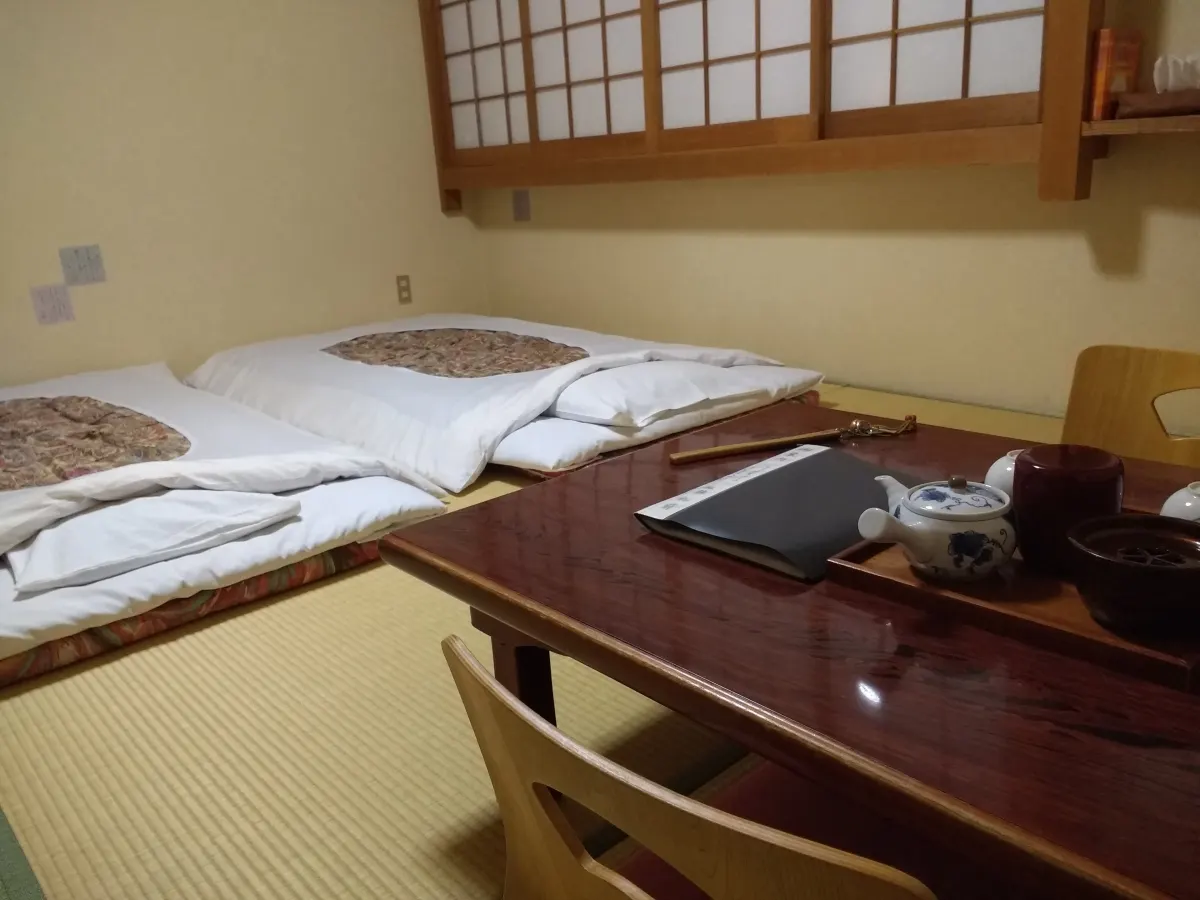
Japan has some of the most memorable places to stay in the world, from a night in a ryokan with a hot spring bath and a feast for dinner to a temple lodging where the monks wake you for morning prayers. Even cheap places are almost always clean, safe and quiet.
Ryokan
A ryokan is a traditional inn, often in a hot spring town such as Hakone. Rooms have tatami floors, a low table and futons laid out on the floor at night, and you wear the cotton yukata provided, even to dinner and around the building.
- Meals: the price usually includes a multi-course kaiseki dinner and a Japanese breakfast, often served in your room, and it's charged per person, not per room. Dinner is at a set time, so arrive by late afternoon.
- Baths: most have shared hot spring baths, and some rooms have their own. If you have tattoos, ask about private baths (see Etiquette in Japan).
- A night or two in a ryokan is worth the money, even on a budget. A minshuku is the simpler, family-run version, cheaper and often friendlier.

Hakone
A hot-spring resort in the mountains near Mount Fuji, ideal for staying in a ryokan (traditional inn) and bathing in an onsen.
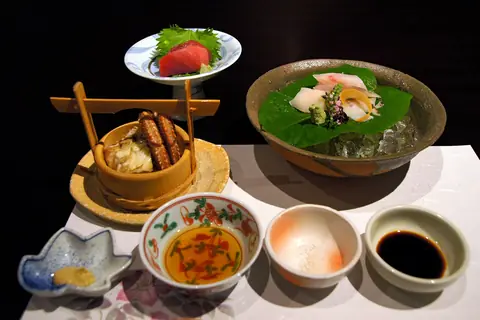
Kyoto kaiseki and temple food
Kyoto is the home of kaiseki, Japan's most refined meal: a long series of small, beautiful dishes made with what is in season, served on fine tablewa…
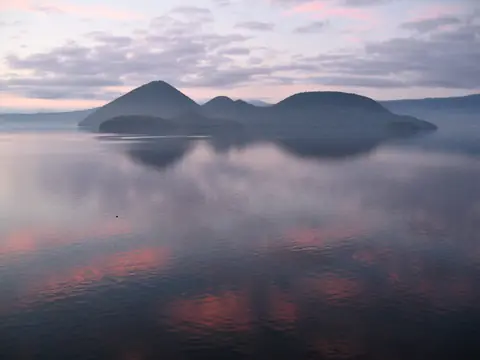
Noboribetsu Jigokudani (Hell Valley)
Hokkaidō's best-known hot spring town, in Shikotsu-Tōya National Park.
Business hotels
Business hotels are Japan's everyday hotels: small rooms (often very small), but clean and well equipped, with a tiny bathroom, slippers, pyjamas, a kettle and free toiletries, near the stations. Chains such as Toyoko Inn, APA, Dormy Inn (which has public baths) and Super Hotel are in almost every city. They're the best value for most visitors. Check the room size if you have big suitcases, and book a twin room if you don't want to share a bed: a "double" is often narrower than you'd expect.
Capsule hotels
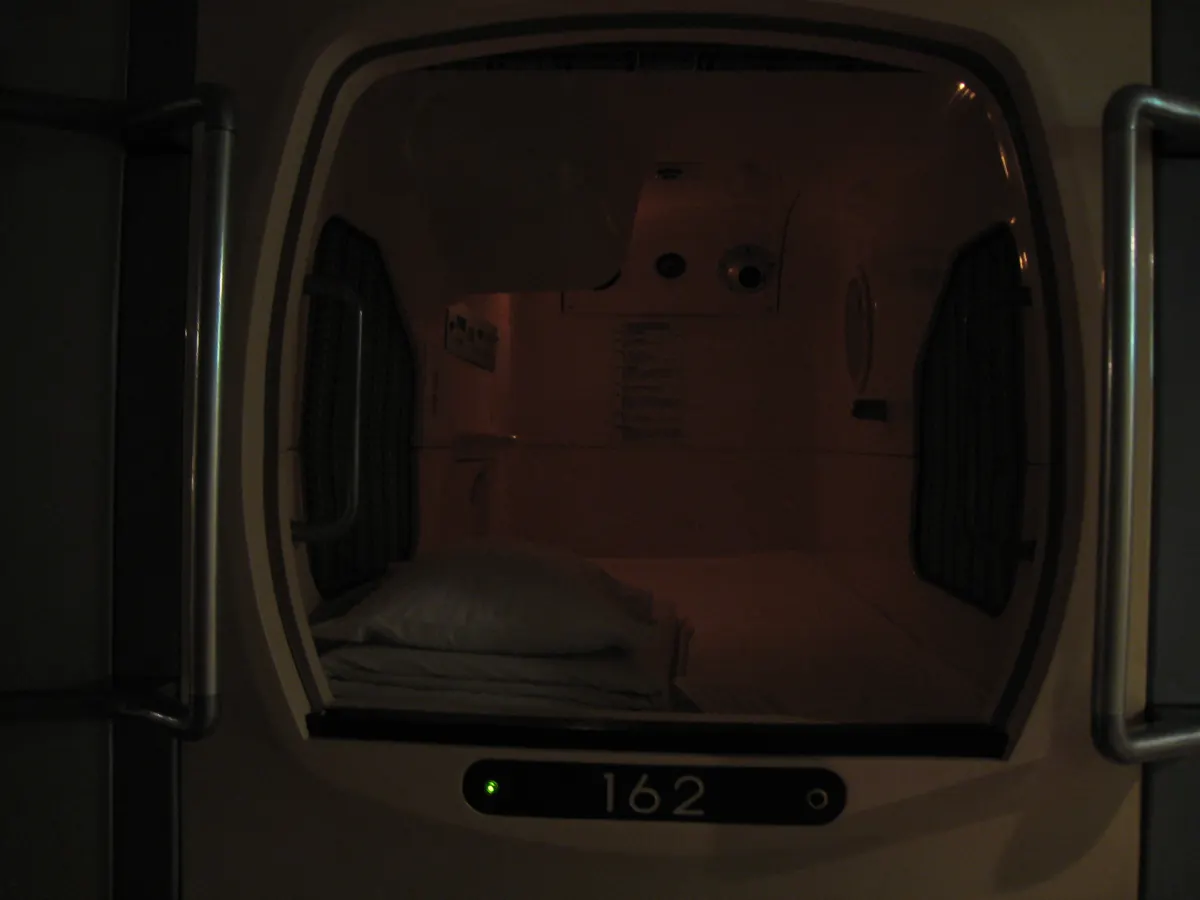
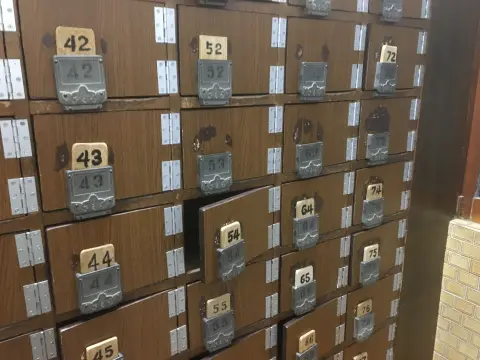
In a capsule hotel, you sleep in a pod just big enough to sit up in, with a light, power socket and curtain or blind, and share bathrooms and lounges. Many are for men only, or have separate floors for women. You leave your shoes at the entrance and your bags in a locker, so they're no good with a big suitcase. Try one for a night: newer ones are stylish and comfortable.
Temple stays
At a temple lodging (shukubō), you sleep in a tatami room in a working temple, eat vegetarian Buddhist food (shōjin ryōri), and can join the monks for prayers early in the morning. The best-known are at Kōya-san, with over 50 temples offering rooms. There are also simple inns along the Kumano Kodō pilgrimage trail.
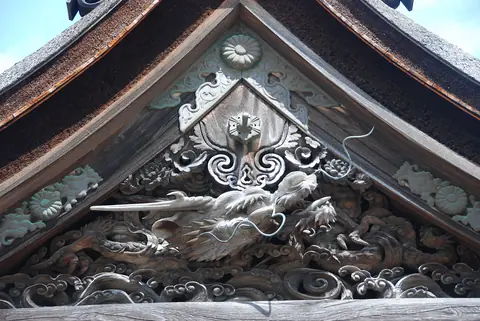
Kōya-san temple stay
A mountaintop monastery town founded in 816 by the monk Kūkai, with more than 100 temples, many offering shukubō (temple lodging), where you eat vege…

Kumano Kodō pilgrimage trail
Ancient pilgrimage trails through the forested mountains of the Kii Peninsula, linking three grand shrines, a UNESCO World Heritage Site.
Other places to stay
- Hostels and guesthouses: cheap and sociable, in all the cities and on the main routes, often in old houses.
- Machiya: restored wooden townhouses, especially in Kyoto and Kanazawa, rented as a whole house. Lovely for families and groups.
- Rented flats: holiday rentals (minpaku) must be registered with the local council and show a registration number. Avoid ones that don't.
- Ski lodges and chalets in places such as Niseko, Hakuba and Nozawa Onsen.
- Love hotels, rented by the hour or the night, are clean and private, and fine for a night if everywhere else is full.
Booking
- Book early for the cherry blossom (late March and early April), Golden Week (early May), Obon (mid-August), autumn leaves in Kyoto (November) and New Year, when hotels fill and prices rise. See When to go to Japan.
- Check-in is usually from 3 pm and check-out by 10 or 11 am, but you can leave your bags before and after. You must show your passport, which the hotel copies by law.
- Prices: check whether a price is per person or per room, and whether meals are included.
- Taxes: many cities add an accommodation tax per person per night, sometimes paid when you arrive. See Money in Japan.
- Luggage: send big bags from one hotel to the next by courier, and travel light. See Trains in Japan.
Comments
No comments yet.