
When to go to Japan: cherry blossom, autumn leaves, rainy season, typhoons and holidays
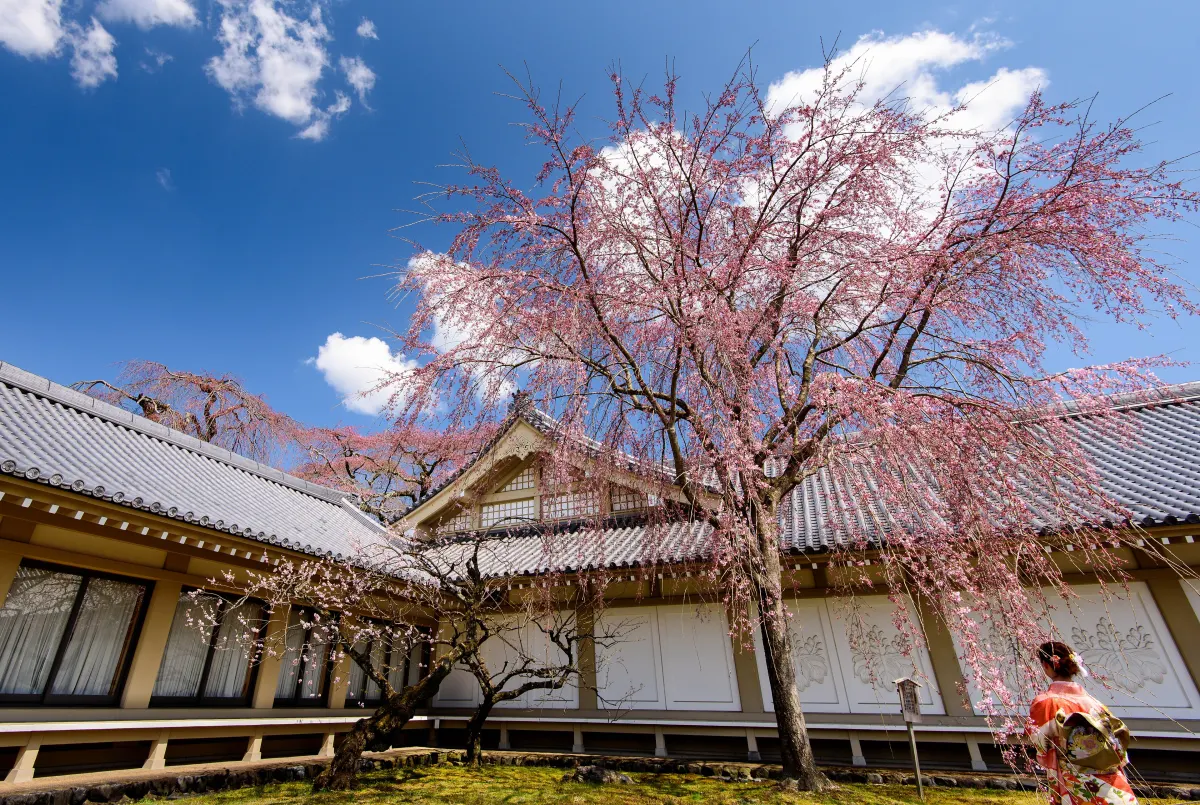
Japan is worth visiting at any time of year, and each season has its own beauty, festivals and food. The country is long, from snowy Hokkaido in the north to subtropical Okinawa in the south, so the weather varies a lot. Spring and autumn are the most popular times, and the busiest.
Spring (March to May): cherry blossom
- The cherry blossom (sakura) is the most famous sight in Japan. In Tokyo and Kyoto it usually flowers in late March and early April, and lasts only about a week. It starts in Okinawa in January and moves north, reaching Tohoku in mid to late April and Hokkaido in late April and early May.
- Forecasts are published from early in the year, but the dates change from year to year, so give yourself a few days' leeway.
- It's the busiest and most expensive time of the year: book hotels months ahead.
- Golden Week, from 29 April to 5 May, is a string of national holidays when much of Japan travels. Trains, hotels and sights are packed, and prices are high: avoid it if you can.
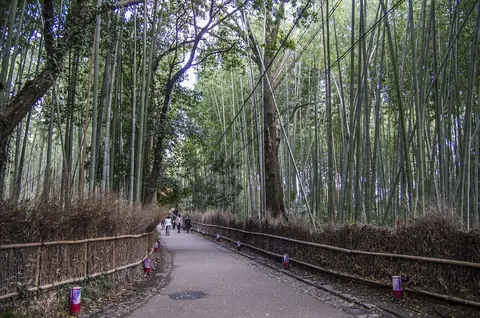
Arashiyama Bamboo Grove
A path through towering green bamboo in western Kyoto, which creaks and rustles in the wind.
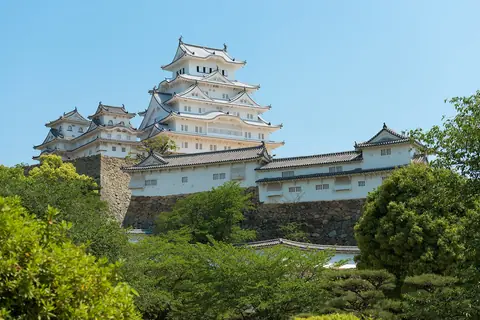
Himeji Castle
The finest surviving feudal castle in Japan, called the 'White Heron' for its brilliant white walls and roofs, a UNESCO World Heritage Site.
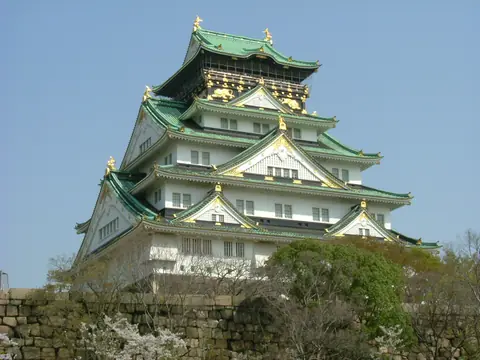
Osaka Castle
Osaka's landmark, built by the warlord Toyotomi Hideyoshi in 1583 as the grandest castle in Japan.
Summer (June to August): rain, heat and festivals
- The rainy season (tsuyu) brings grey skies and frequent rain to most of Japan from early June to mid or late July. It's earlier in Okinawa (May and June), and Hokkaido mostly misses it. It's a quieter time to visit, and the gardens are lush.
- Summer is hot and very humid, often over 35°C in Tokyo, Kyoto and Osaka. Drink plenty, rest in the shade in the afternoon, and watch out for heatstroke alerts. Hokkaido and the Japanese Alps, such as Kamikōchi, are cooler.
- Summer is festival season, with fireworks over the rivers and big festivals such as Kyoto's Gion Matsuri in July.
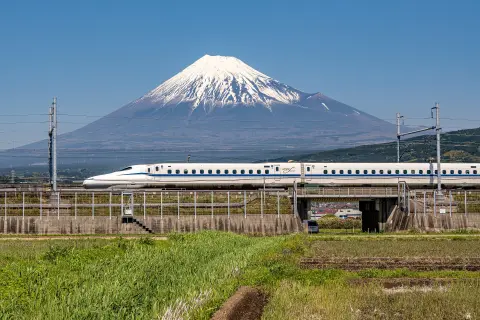
- Mount Fuji is open for climbing only in July and August and early September. There's a fee and you must register online. See Mount Fuji and the Fuji Five Lakes.
- Obon, in mid-August, is when families visit their home towns: trains, flights and roads are very busy for about a week.
Typhoons
Typhoons can hit Japan from about June to October, most often in August and September, and especially in Okinawa, Kyushu and the south. They bring heavy rain and strong winds, and trains and flights stop, sometimes for a day or two. Keep a spare day in your plans in late summer, watch the forecasts, and stay indoors when one passes. See Earthquakes and safety in Japan.
Autumn (September to November): autumn leaves
- Autumn is clear and comfortable, and the maple leaves (kōyō) are as famous as the cherry blossom. They turn first in Hokkaido's mountains, such as Daisetsuzan, from late September, then through October in the mountains of Honshu, such as Nikkō and Oirase Gorge, reaching Tokyo and Kyoto from mid-November to early December.
- Kyoto in November is beautiful but very crowded: book early, and see the famous temples first thing in the morning.
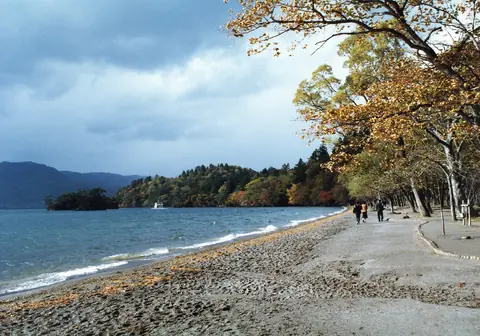
Oirase Gorge and Lake Towada
A 14 km riverside path along the Oirase Stream, flowing out of Lake Towada through forest, past mossy rocks, rapids and more than a dozen waterfalls.
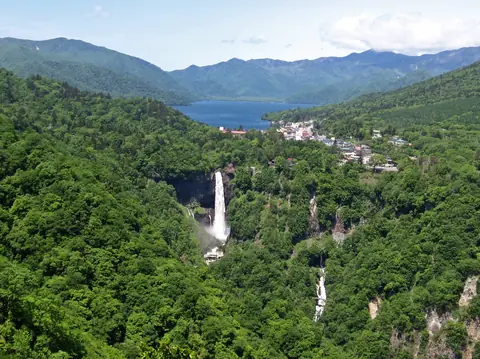
Kegon Falls and Lake Chūzenji, Nikkō
Above the famous shrines of Nikkō, a winding road with 48 hairpin bends, the Irohazaka, climbs into the mountains of Nikkō National Park.
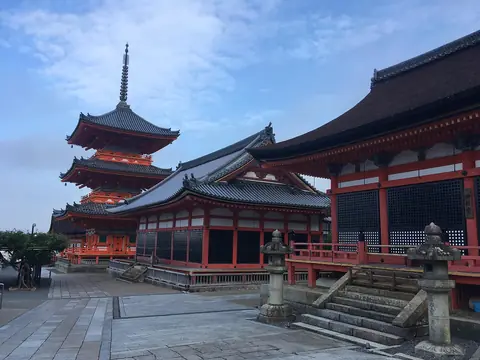
Kiyomizu-dera, Kyoto
A Buddhist temple on a wooded hillside in eastern Kyoto, famous for its wooden stage, built without nails, jutting out over the valley, with views ov…
Winter (December to February): snow and hot springs
- On the Pacific side, including Tokyo, Kyoto and Osaka, winter is cold but often dry and sunny, with clear views of Mount Fuji, and the sights are quieter.
- The Sea of Japan side and Hokkaido get huge amounts of snow: good for skiing in Niseko and the Japanese Alps, the snow monkeys in their hot spring, Shirakawa-gō under snow, and the Sapporo Snow Festival in February.
- Winter is the best time for a hot spring bath.
- New Year (about 29 December to 3 January) is Japan's biggest holiday. Many shops, restaurants and museums close, trains are busy, and shrines are crowded for the first prayers of the year.

Jigokudani Snow Monkey Park
A valley in the mountains of Nagano where wild Japanese macaques bathe in a hot spring to keep warm, especially in winter, when snow covers their fur.

Sapporo Snow Festival
Every February, Sapporo, the capital of Hokkaido, hosts one of the world's great winter festivals, with huge snow and ice sculptures in Odori Park an…
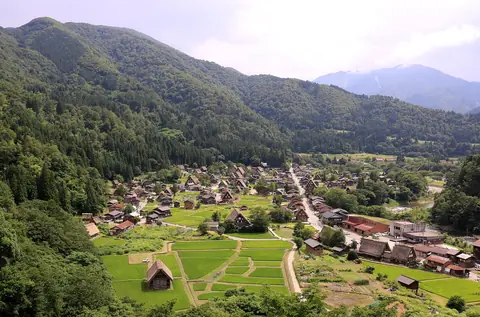
Shirakawa-gō
A mountain village of gasshō-zukuri farmhouses, with steep thatched roofs like hands joined in prayer, built to shed heavy snow, a UNESCO World Herit…
Okinawa
Okinawa and the southern islands, such as Iriomote, are warm all year. The best beach weather is from April to June and in October, avoiding the rainy season in May and June and the peak typhoon months.
What to pack
- Shoes that are comfortable for walking all day and easy to take off.
- A compact umbrella, though convenience stores sell cheap ones.
- In summer, light clothes, a hat and a small towel for the heat; in winter, warm layers, as buildings and trains are well heated.
- A small bag for your rubbish, and a coin purse.
Comments
No comments yet.