
Etiquette in Japan: shoes, onsen and tattoos, trains, rubbish and chopsticks
Japanese people are polite and patient with visitors, and nobody expects you to know every custom. But a few things matter a lot, and getting them right makes a difference to the people around you. Watch what others do, and when in doubt, ask.
Shoes off
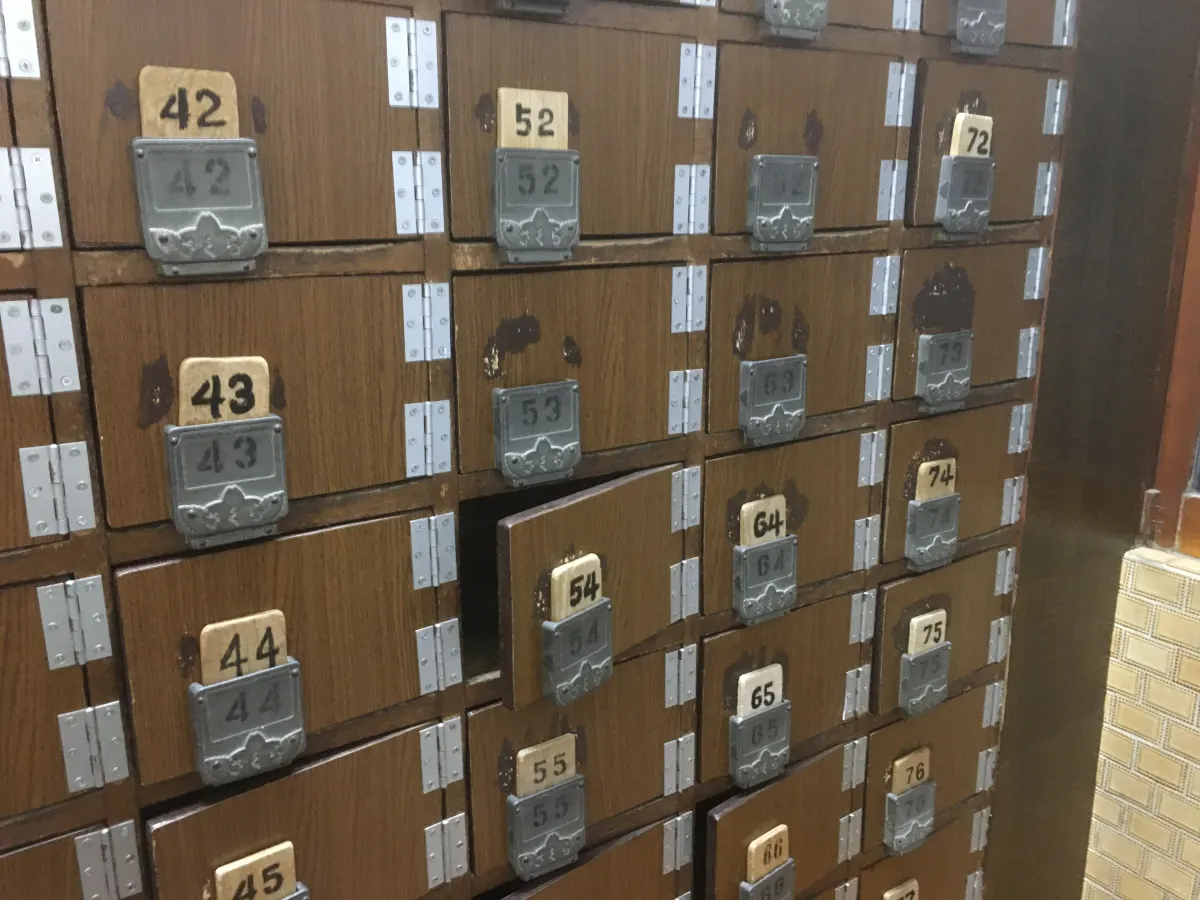
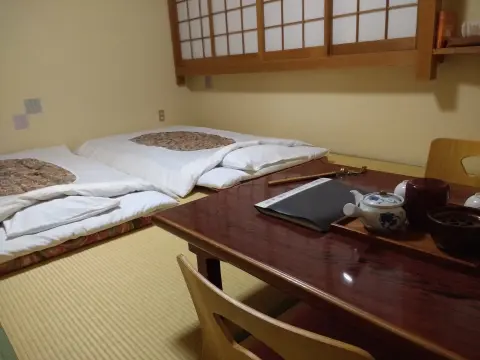
- Take your shoes off when you go into a home, a ryokan, many temple halls, some restaurants with tatami floors, and fitting rooms in shops. Look for a step up at the entrance, a rack of shoes or slippers, or a sign.
- Slippers are for corridors. Take them off before you step onto tatami mats, and walk on tatami in your socks.
- Toilets often have their own slippers: swap into them, and remember to swap back.
- Wear shoes that are easy to slip on and off, and socks without holes.
Onsen and public baths
Bathing in a hot spring (onsen) or a public bath (sentō) is one of the great pleasures of Japan. The baths are separate for men and women (check the curtains: 男 is men, 女 is women), and you bathe naked.
- Undress in the changing room and leave your clothes in a basket or locker.
- Wash first: sit on a stool at the showers and wash and rinse yourself completely before you get into the bath. The bath is for soaking, not washing.
- Don't put your small towel in the water: leave it at the side or fold it on your head. Tie long hair up.
- No swimsuits, no swimming or splashing, and keep your voice down.
- Don't stay in too long, drink water, and avoid the bath after drinking alcohol.
- Dry yourself off a little before you go back into the changing room.
Tattoos: tattoos have long been linked with organised crime in Japan, and many onsen, public baths, pools and gyms still don't allow anyone with a tattoo, including visitors. Some let you in if you cover a small tattoo with a patch, and more and more are "tattoo-friendly". Otherwise, book a ryokan with a private bath (kashikiri-buro) or a room with its own bath. Ask before you go.

Hakone
A hot-spring resort in the mountains near Mount Fuji, ideal for staying in a ryokan (traditional inn) and bathing in an onsen.
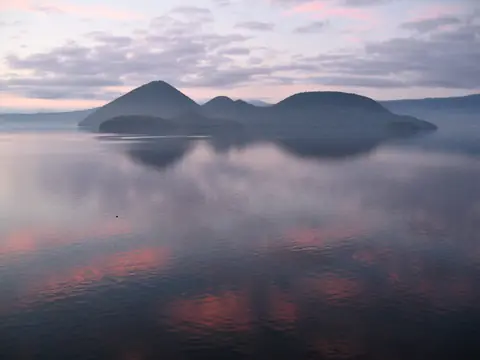
Noboribetsu Jigokudani (Hell Valley)
Hokkaidō's best-known hot spring town, in Shikotsu-Tōya National Park.

Jigokudani Snow Monkey Park
A valley in the mountains of Nagano where wild Japanese macaques bathe in a hot spring to keep warm, especially in winter, when snow covers their fur.
On trains and buses
- Keep your voice down, put your phone on silent and don't make calls.
- Queue at the marks on the platform, and let people off before you get on.
- Wear your backpack on your front or put it on the rack in crowded trains.
- Leave the priority seats for older, disabled and pregnant people and those with small children.
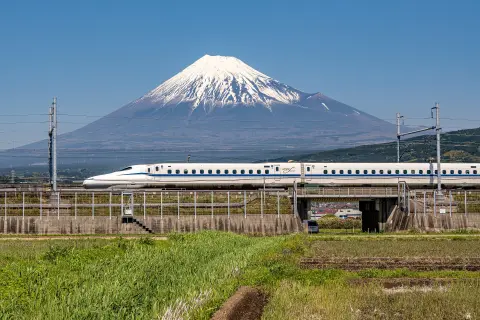
- Eating on local trains is frowned upon, but eating on the shinkansen and long-distance trains is normal.
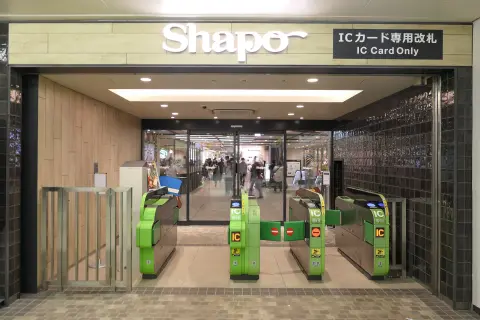
- On escalators, people stand on the left in Tokyo and on the right in Osaka, though stations now ask people to stand on both sides and not walk.
Rubbish: carry it with you
Japan's streets are spotless, but there are very few public rubbish bins. Carry a small bag for your rubbish and take it back to your hotel. There are bins for bottles and cans next to vending machines, and some convenience stores have bins for things bought there. Where there are bins, sort your rubbish into the right one: burnable, plastic, bottles and cans.
Queues, noise and eating on the street
- People queue for everything, from trains to popular restaurants. Join the end of the line.
- In many places, especially busy tourist streets like those in Kyoto, eating while you walk is frowned upon: eat by the stall where you bought the food.
- Smoking is banned on the streets of many cities, including much of Tokyo: smoke only in marked smoking areas.
- Hotels and homes are quiet places, especially at night. Talk quietly in corridors.
Temples and shrines
- Shrines are Shinto, and have a torii gate; temples are Buddhist. Bow once at the gate, and walk at the side of the path, as the centre is for the gods.
- At the water basin, wash your left hand, then your right, then pour water into your left hand to rinse your mouth (and spit it out beside the basin, not into it).
- At a shrine, put a coin in the box, bow twice, clap twice, pray, and bow once more. At a temple, don't clap.
- Follow the signs about photography, and dress modestly in temple halls.
- In Kyoto's Gion district, don't follow or photograph geiko and maiko without asking, and keep out of the private lanes: signs warn of fines.
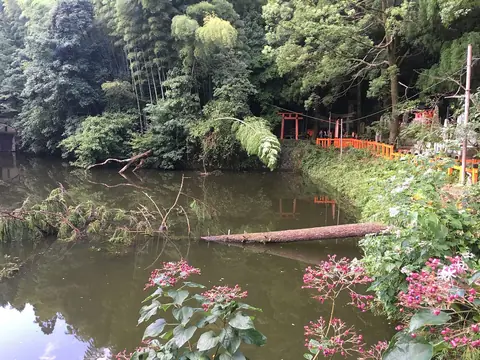
Fushimi Inari Taisha, Kyoto
The head shrine of Inari, the god of rice and business, famous for its thousands of bright vermilion torii gates, donated by businesses, which form t…
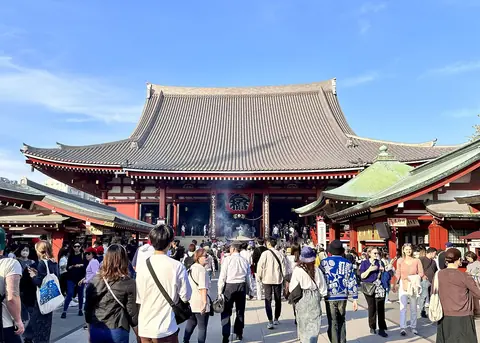
Sensō-ji Temple, Asakusa
Tokyo's oldest temple, founded in 628, entered through the Kaminarimon gate with its giant red lantern.
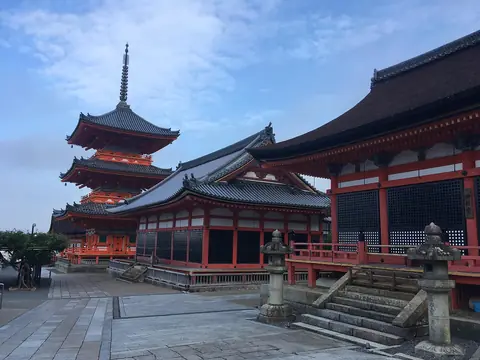
Kiyomizu-dera, Kyoto
A Buddhist temple on a wooded hillside in eastern Kyoto, famous for its wooden stage, built without nails, jutting out over the valley, with views ov…
Chopsticks and eating
- Never stick your chopsticks upright in a bowl of rice, or pass food from your chopsticks to someone else's: both are part of funeral rites.
- Don't point with your chopsticks, wave them around or use them to pull dishes towards you. Rest them on the holder or across your bowl.
- Slurping noodles is fine. Lift small bowls to your mouth to eat rice and drink soup.
- Say itadakimasu before you eat and gochisōsama deshita afterwards, to thank the cook.
- Don't pour your own drink: fill other people's glasses and they'll fill yours.
- Pay at the till by the door, not at the table, and don't tip. See Food and drink in Japan.
A few words of Japanese
Sumimasen (excuse me, and sorry), arigatō gozaimasu (thank you) and konnichiwa (hello) go a long way. A small bow when you say thank you is always appreciated.
Comments
No comments yet.