
Food and drink in Japan: what to try, convenience stores, ticket machines and izakaya
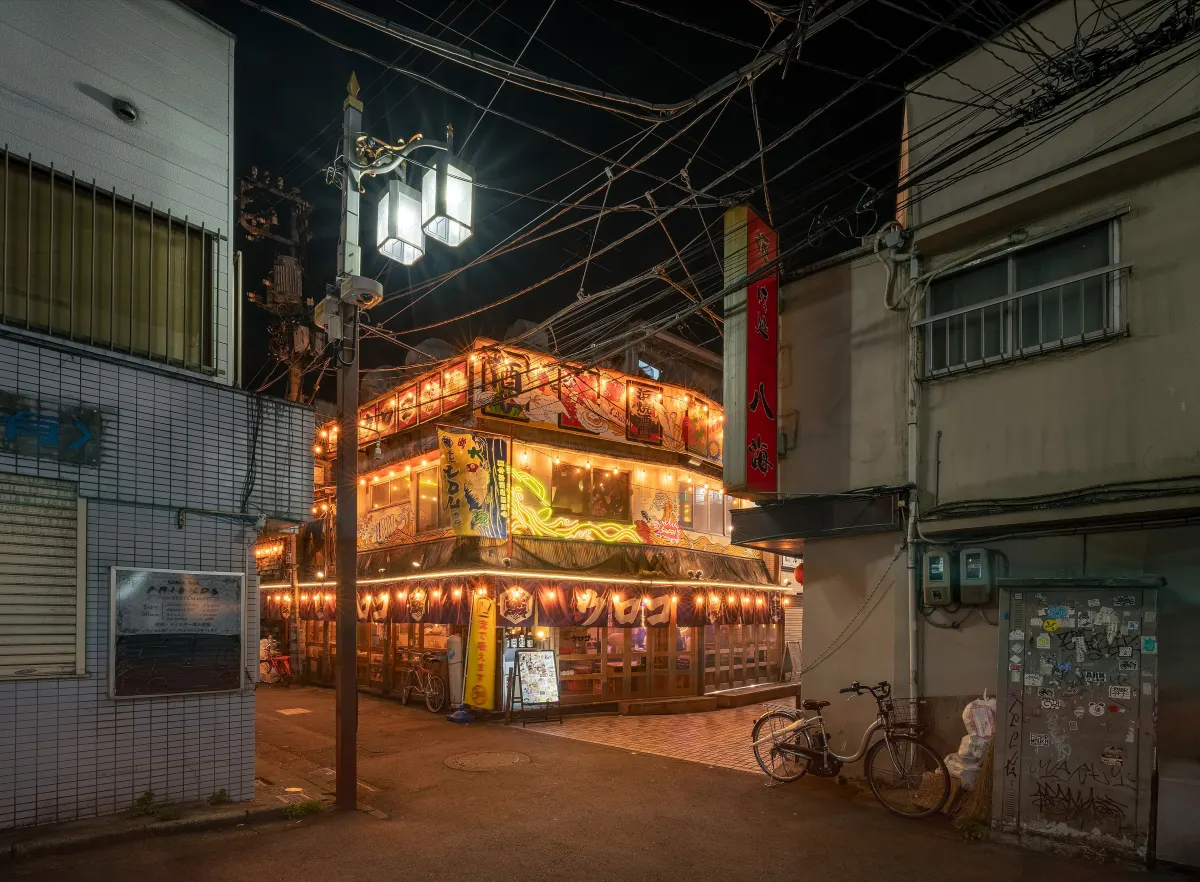
Food is one of the best reasons to go to Japan. Even cheap food is made with care, every region has its own dishes, and you can eat superbly for very little at a ramen counter, a standing sushi bar or a convenience store, or spend a fortune on a kaiseki dinner in Kyoto.
What to try
- Sushi: try Edomae sushi at a counter in Tokyo, the fish markets such as Tsukiji Outer Market, and cheap and fun conveyor-belt sushi.
- Ramen: every region has its own style, such as Sapporo miso ramen, Hakata pork-bone ramen in Fukuoka and Kitakata ramen.
- Noodles: Sanuki udon from Kagawa, Shinshū soba in Nagano, and the all-you-can-eat wanko soba in Morioka.
- Osaka street food: takoyaki (octopus balls) and kushikatsu (fried skewers) round Dōtonbori.
- Okonomiyaki: savoury pancakes, layered with noodles in Hiroshima, and Tokyo's runnier monjayaki.
- Beef: Kobe beef, Matsusaka beef and Hida beef in Takayama, and grilled beef tongue in Sendai.
- Tempura, yakitori and gyōza: tempura at a counter, yakitori under the railway arches in Tokyo, and Utsunomiya gyōza.
- Kaiseki: the seasonal multi-course meal, at its best in Kyoto and in ryokan.
- Seafood: Hokkaido crab and seafood bowls, Kanazawa's Ōmichō Market, and fugu (pufferfish) in Shimonoseki.
- Regional food: Nagoya's eel and miso dishes, Okinawan food, Nagasaki champon, hōtō noodles near Mount Fuji and jingisukan lamb in Sapporo.
- Tea and sweets: matcha in Uji, green tea in Shizuoka, and wagashi, the sweets served with tea.
- On the train: an ekiben, the station lunch box.
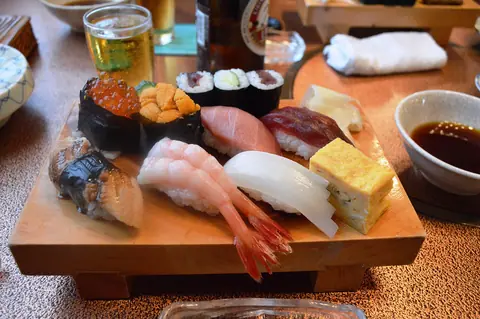
Edomae sushi
Sushi as the world knows it, slices of raw fish on hand-pressed rice, began in Tokyo, then called Edo, as a quick snack sold from street stalls in th…
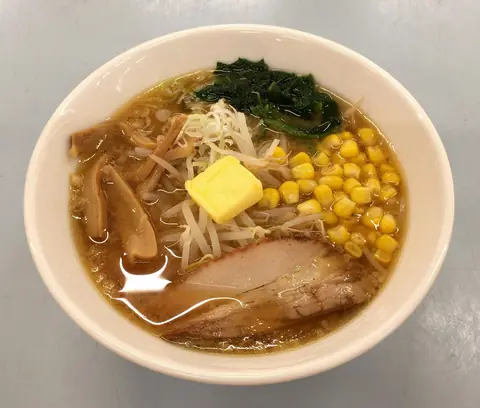
Sapporo miso ramen
Sapporo is famous for miso ramen, created here in the 1950s: a rich, savoury broth flavoured with miso and often a little lard to keep it hot in Hokk…
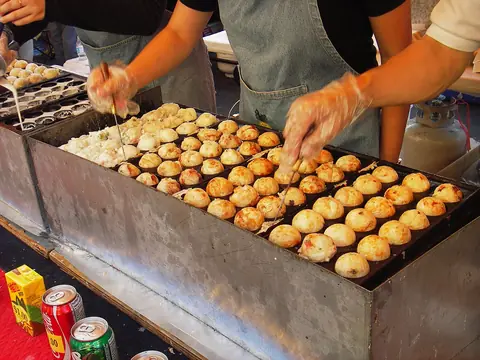
Takoyaki (octopus balls)
Osaka's favourite street snack: balls of batter with a piece of octopus inside, cooked in special moulded hotplates and turned quickly with picks unt…
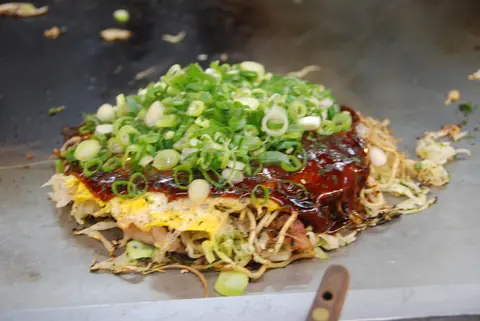
Hiroshima okonomiyaki
Hiroshima's version of okonomiyaki, Japan's savoury pancake, is built in layers on a hotplate: a thin crêpe, a tall pile of shredded cabbage, bean sp…
Convenience stores
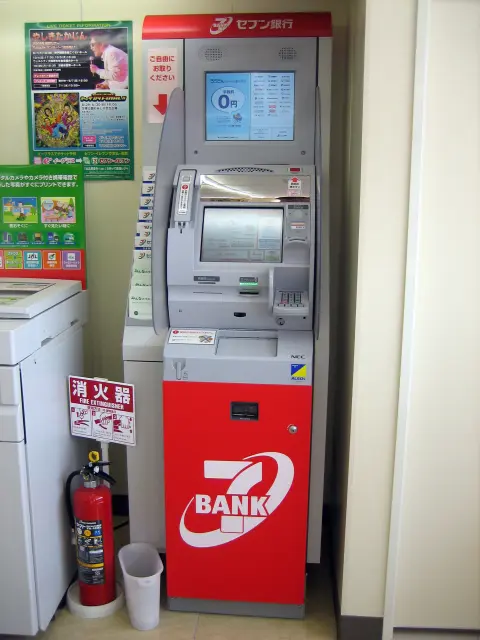
Japan's convenience stores (konbini), such as 7-Eleven, Lawson and FamilyMart, are open 24 hours and far better than at home. They sell rice balls (onigiri), sandwiches (the egg ones are famous), bento boxes that the staff will heat for you, fried chicken, noodles, salads, good coffee, beer and sweets. Many have a small eating area. They also have ATMs that take foreign cards, toilets, and will send your luggage. Breakfast from a konbini is a cheap, normal thing to do.
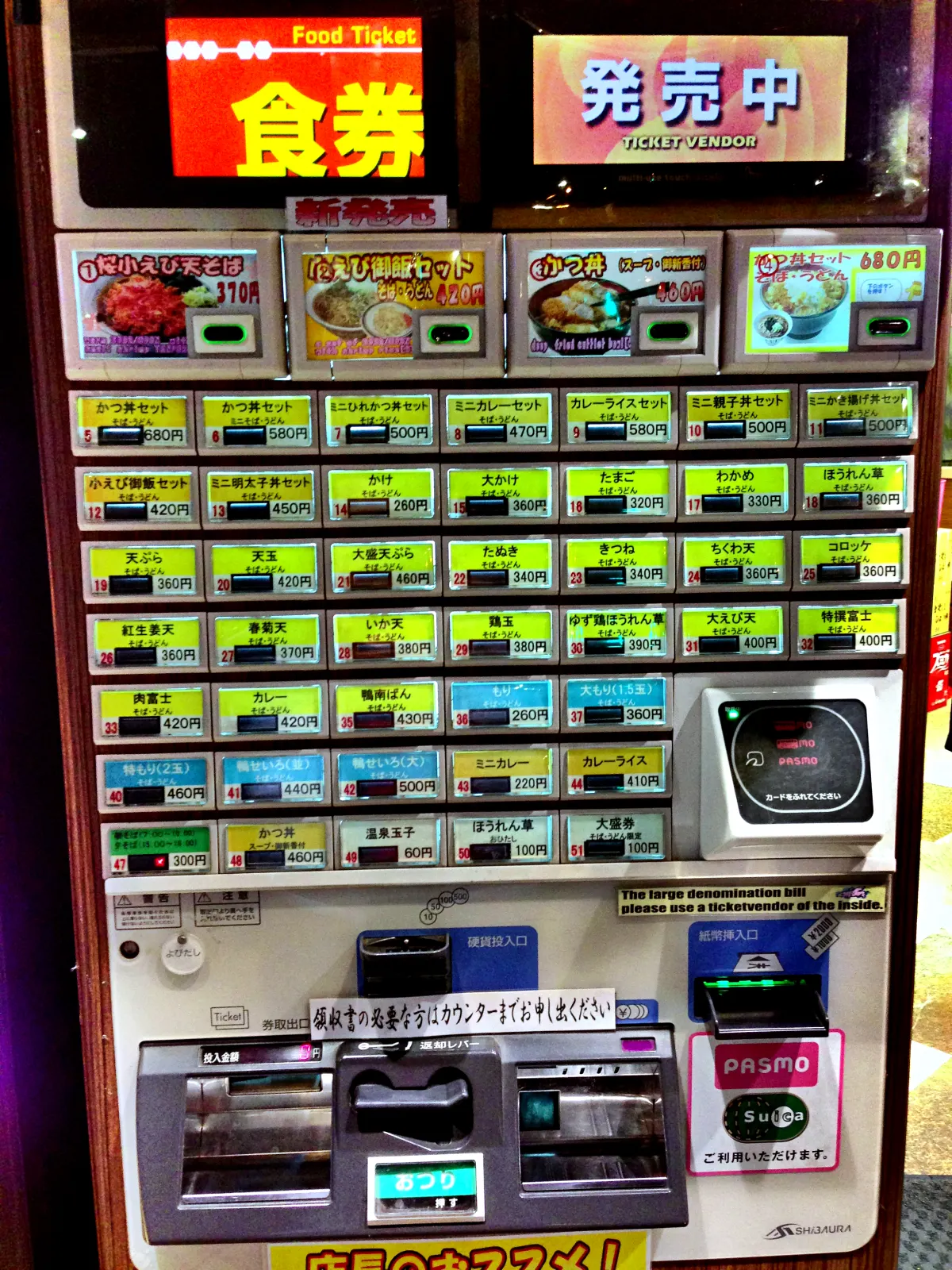
Ticket machines
In many ramen, udon and beef bowl shops, you order and pay at a ticket machine (shokken-ki) by the door before you sit down. Choose a button (the top left is usually the house speciality), put in money, take the ticket and hand it to the staff. Many machines take only cash, often only ¥1,000 notes and coins. Others have pictures or English, and if not, point your translation app at the buttons. In chain restaurants you'll often order on a tablet at the table or by scanning a QR code.
Izakaya
An izakaya is a Japanese pub that serves lots of small dishes to share with drinks: the best place for an evening out.
- You'll usually be given a small starter dish you didn't order (otōshi), which is a table charge of a few hundred yen per person.
- Order a few dishes at a time and keep ordering. Call staff with "sumimasen!" or the button on the table.
- Nomihōdai means all you can drink, for a set time, usually 90 minutes or two hours.
- Start with "kanpai" (cheers), and pour drinks for each other.
- Ask for the bill with "okaikei onegaishimasu", and pay at the till by the door. Don't tip.
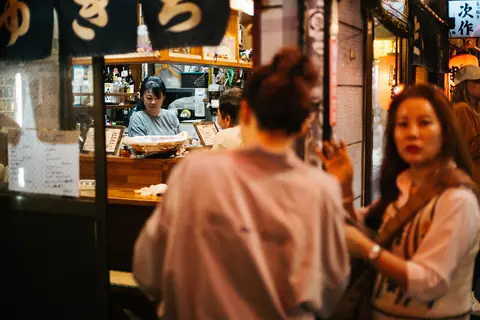
Yakitori and izakaya in Tokyo
After work, Tokyo heads to the izakaya, Japan's casual pubs, to eat small plates and drink beer, sake or highballs.
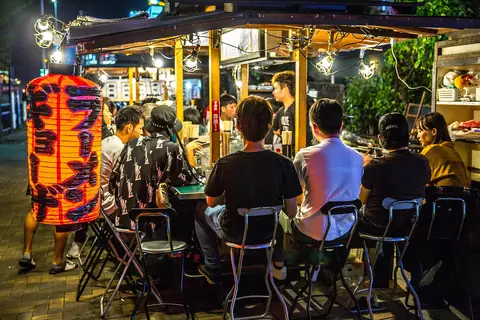
Hakata ramen and yatai stalls
Fukuoka's Hakata ramen is made with tonkotsu, a creamy, milky broth of pork bones boiled for many hours, with thin, straight noodles, slices of pork,…
Booking restaurants
- The best sushi counters and kaiseki restaurants are booked up weeks or months ahead, and many take bookings only by phone in Japanese. Ask your hotel, or use English-language booking sites such as TableCheck.
- Turn up on time, and cancel if you can't come: restaurants have suffered from foreign no-shows, and many now take a card deposit or charge a cancellation fee.
- For most ordinary places you just turn up and queue. Lunch is the cheapest time to try a famous restaurant.
Good to know
- Water from the tap is safe, and free water or tea is served in most restaurants.
- Vegetarians: it's harder than you'd think, as many dishes, even vegetable ones, are made with dashi (fish stock). Look for Buddhist temple food (shōjin ryōri), at temples such as those at Kōya-san, and vegetarian and vegan restaurants in the cities.
- Allergies: carry a card in Japanese listing what you can't eat.
- Drinks: the drinking age is 20. Try sake (Niigata is famous for it), shōchū, Japanese whisky, a whisky highball, and canned chūhai from the konbini.
- Department store food halls (depachika), in the basements, are wonderful for picnic food and gifts, with cheaper prices just before closing time.
- Smoking: since 2020, most restaurants are non-smoking inside, though some small bars still allow it.
Comments
No comments yet.