
IC cards in Japan: Suica, PASMO, ICOCA and getting around the cities
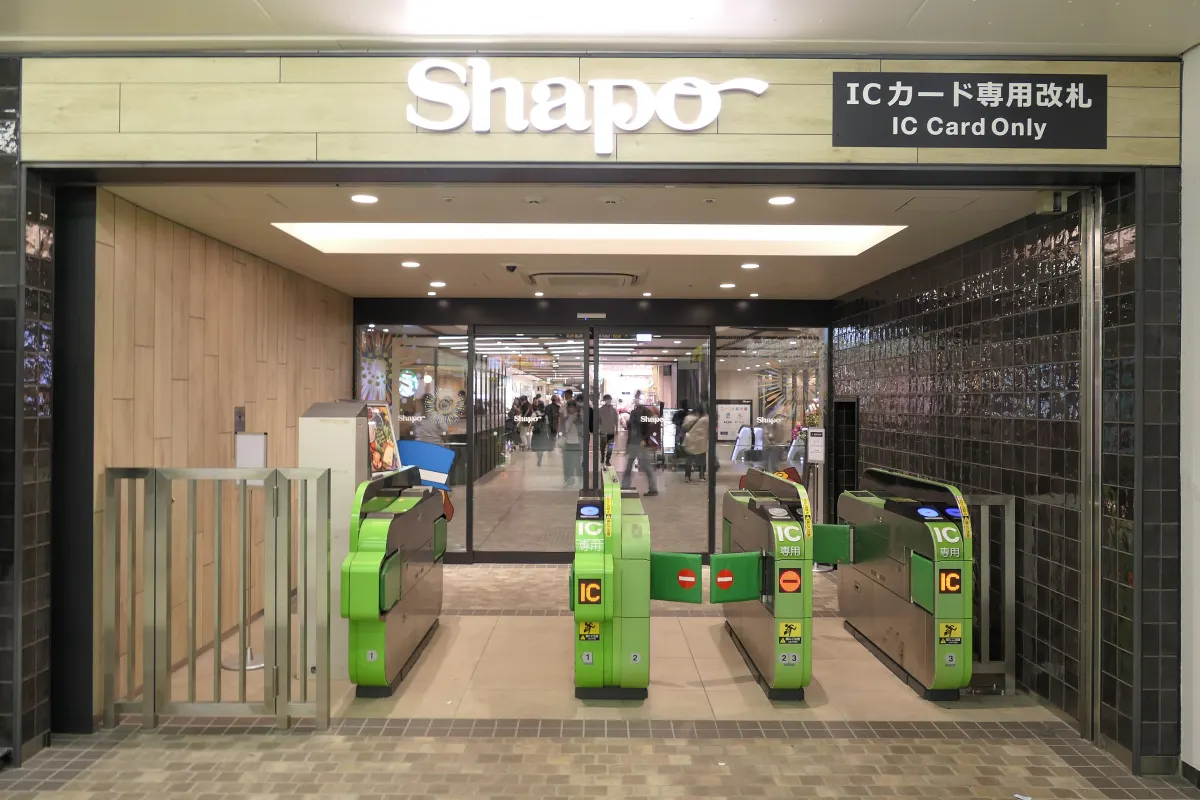
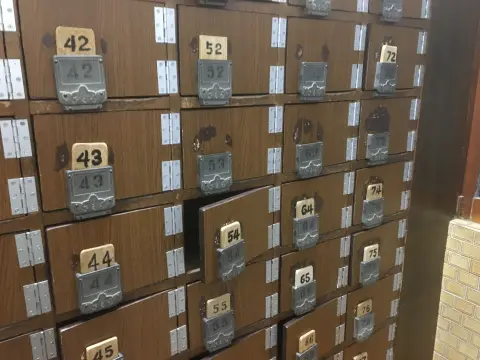
The easiest way to ride trains, subways and buses in Japan's cities is with an IC card: a rechargeable card you touch on the reader at the ticket gate or on the bus, so you never need to work out a fare or buy a ticket. You can also pay with it in convenience stores, vending machines and coin lockers.
Which card?
Each region has its own card: Suica (JR East) and PASMO (Tokyo's subways and private railways), ICOCA (JR West, for Osaka, Kyoto and Hiroshima), Kitaca (Hokkaido), TOICA and manaca (Nagoya), and SUGOCA, nimoca and Hayakaken (Kyushu). It doesn't matter which you buy: they all work in each other's areas, on most trains, subways and buses in the cities. (PiTaPa is the exception, and isn't sold to visitors.)
- You can't use one to make a single journey that crosses from one card area into another, for example from Tokyo to Shizuoka on local trains: buy a ticket for that.
- Some rural lines and buses don't take IC cards at all, so carry some coins.
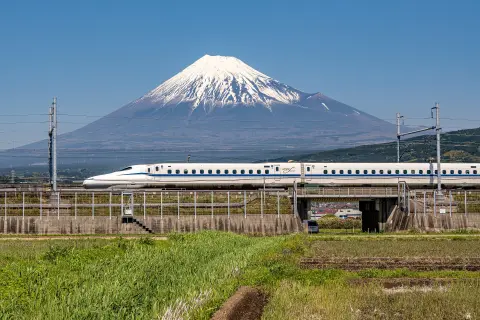
- An IC card only pays the basic fare. Shinkansen and limited express trains need a ticket (see Trains in Japan).
Buying one
- Welcome Suica: a card for visitors, sold at Narita and Haneda airports and some big stations in Tokyo. There's no deposit, and it lasts 28 days, but you can't get leftover money back.
- TOURIST PASMO: PASMO's card for visitors, sold at Haneda and Narita airports. There's no deposit, it lasts 28 days from when you buy it, and leftover money isn't refunded.
- Ordinary Suica and PASMO cards went back on sale in March 2025, after a shortage of chips. They cost a ¥500 deposit, which you get back with the remaining balance (less a small fee) when you return the card. ICOCA is sold at JR West stations, including Kansai Airport.
- Topping up: add money at the machines in any station (usually cash only) or at convenience store tills. A card can hold up to ¥20,000.
On your phone
- iPhone: add a Suica, PASMO or ICOCA to Apple Wallet and top it up with a credit card in Apple Pay. Or use JR East's Welcome Suica Mobile app for visitors: you don't need to register, and it can also buy some shinkansen tickets, but the balance expires 180 days after you set it up and can't be refunded.
- Android: most Android phones bought outside Japan can't be used as an IC card. Buy a physical card.
Tapping with a bank card
More and more railways let you tap a contactless Visa, Mastercard or other bank card (or your phone) on the ticket gate instead. All of Osaka Metro takes them, as do many stations on Tokyo Metro and the Toei subway in Tokyo, and many private railways and some buses. Look for the card symbol on the gate: not every gate has a reader, and most JR lines don't take bank cards yet. An IC card still works almost everywhere.
Tokyo
- Tokyo has two subway companies, Tokyo Metro and Toei, and JR's Yamanote line loops round the centre, linking Shinjuku, Shibuya, Tokyo Station, Ueno and Ikebukuro. With an IC card, you just change trains and pay the right fare.
- The Tokyo Subway Ticket, for visitors, gives 24, 48 or 72 hours on both subway companies' lines: good value if you'll make several trips a day.
- Stations are huge: follow the yellow signs for exits, and use the exit number on the map to meet people.
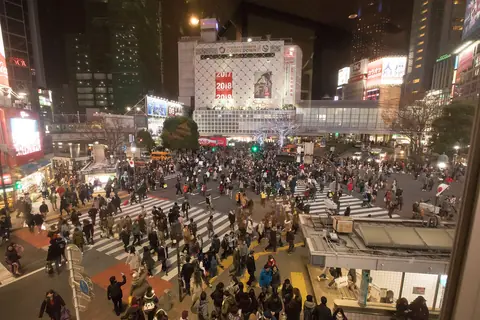
Shibuya Crossing, Tokyo
The world's busiest pedestrian crossing: when the lights change, up to 3,000 people cross from all directions at once, under giant video screens.
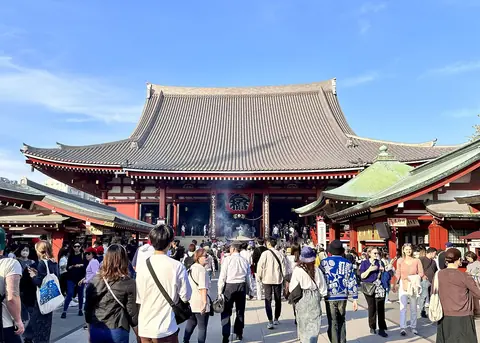
Sensō-ji Temple, Asakusa
Tokyo's oldest temple, founded in 628, entered through the Kaminarimon gate with its giant red lantern.
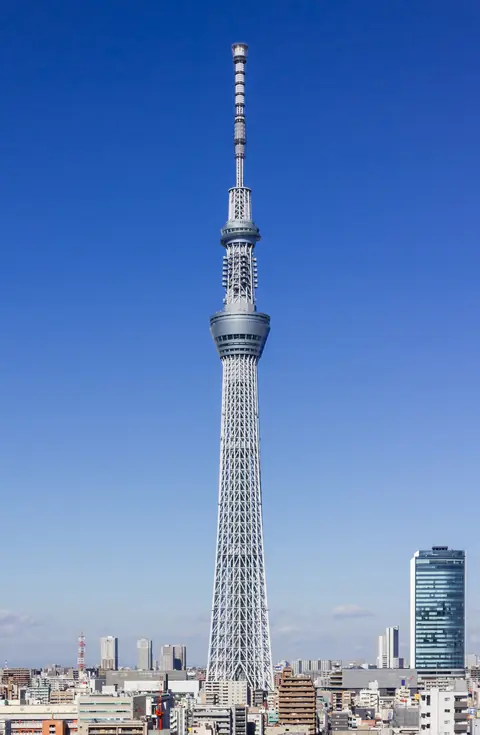
Tokyo Skytree
At 634 m, the world's tallest tower, a broadcasting tower in eastern Tokyo.
Osaka and Kyoto
- Osaka: the Osaka Metro subway, JR's Osaka Loop line and the private railways cover the city. The Osaka Amazing Pass, for visitors, includes subway travel and entry to many sights, such as Osaka Castle.
- Kyoto: the city buses go everywhere but are slow and very crowded near the big temples. Use trains where you can: the JR Nara line to Fushimi Inari, the JR Sagano line or the Randen tram to Arashiyama, the Keihan line along the river, and the subway, and walk between nearby sights. On Kyoto's buses, you get on at the back or middle and pay as you leave by the front door.
Taxis
Taxis are clean and safe, and drivers don't expect a tip. The back door opens and closes by itself, so don't touch it. Most take cards, and the GO app (and Uber, in the big cities) lets you call one in English. Write your destination down in Japanese, or show it on a map, as many drivers don't speak English.
Comments
No comments yet.