
Earthquakes and safety in Japan: alerts, what to do, typhoons and emergencies
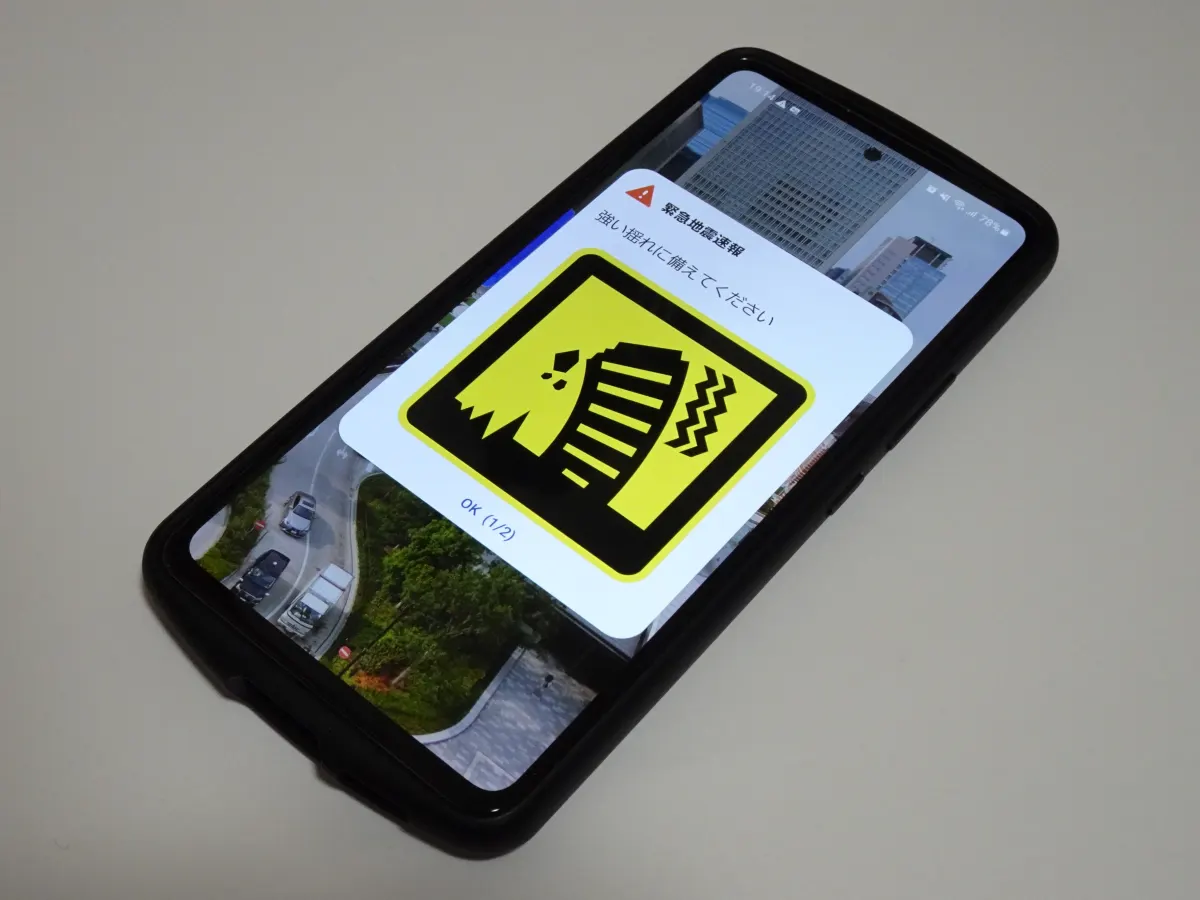
Japan is one of the safest countries in the world: crime is rare, lost wallets are handed in, and you can walk almost anywhere at night. The real risks are natural ones. Japan has many earthquakes, and also typhoons, heavy rain, volcanoes and summer heat. Buildings, trains and warning systems are designed for them, and if you know what to do, you have little to worry about.
Before you go
- Install the Safety tips app from the Japan Tourism Agency. It sends earthquake early warnings, tsunami warnings and weather warnings in English and other languages, and has advice on what to do. Phones from abroad don't always receive Japan's emergency alerts.
- Get travel insurance with medical cover. Medical care in Japan is good, but expensive for visitors, and hospitals may ask for payment or proof of insurance before treating you.
- Save the Japan Visitor Hotline, run by the Japan National Tourism Organization: 050-3816-2787 (from outside Japan, +81-50-3816-2787). It's open 24 hours, in English, Chinese and Korean, for emergencies, natural disasters and general help.
Earthquakes
Small earthquakes happen often, and you may feel one during your stay. Most do no damage.
- Earthquake early warnings (kinkyū jishin sokuhō) sound on phones, TV and radio a few seconds before strong shaking arrives. When you hear one, protect yourself straight away.
- When it shakes: drop, take cover under a sturdy table and hold on, or protect your head away from windows and things that can fall. Don't run outside, where glass and signs can fall from buildings.
- Outside, move away from buildings, walls, vending machines and power lines. On a train, hold on tight: trains stop automatically. In a lift, press all the buttons and get out at the first floor it stops at.
- Afterwards, follow the instructions of hotel or station staff, expect trains to stop for checks, and watch the news for warnings. Lifts and trains may not run for a while.
- The Nankai Trough: scientists expect a very large earthquake off the Pacific coast of central and western Japan some time in the coming decades. If the Japan Meteorological Agency thinks one is more likely than usual, for example after a big quake in the area, it issues special information asking people to be ready to evacuate. Daily life mostly carries on: follow local advice.
Tsunami
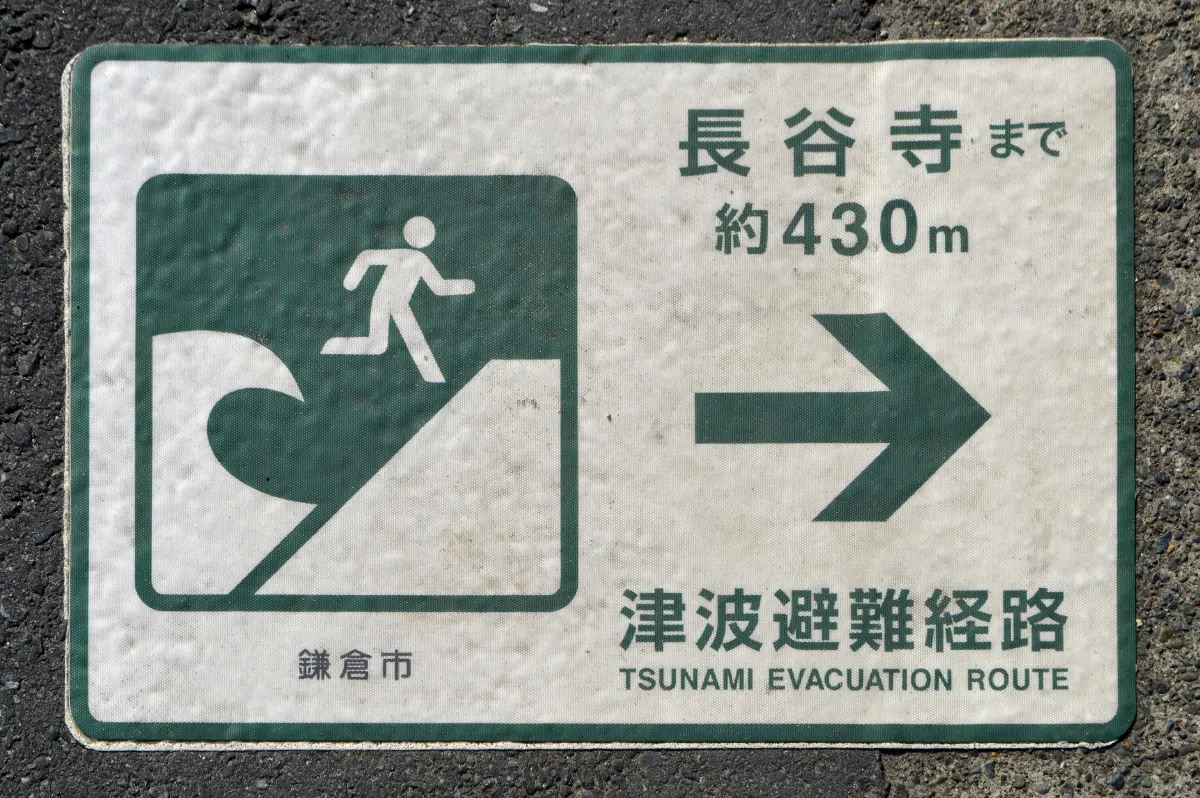
If you're near the coast and feel a strong earthquake, or one that lasts a long time, or hear a tsunami warning, move to high ground or the upper floors of a tall, solid building straight away. Don't wait to see the sea, and don't go back until the warning is lifted. Tsunami warnings are issued about three minutes after an earthquake. Coastal towns have blue and green signs pointing to evacuation routes and shelters.
Typhoons and heavy rain
Typhoons come from about June to October, most often in August and September (see When to go to Japan). When one is forecast, trains and flights may be cancelled the day before, and shops close. Stay indoors until it passes, keep away from rivers and the sea, and keep out of the mountains after heavy rain, when landslides happen.
Volcanoes
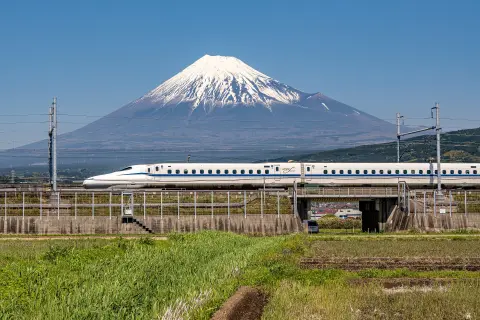
Japan has about 110 active volcanoes, and some popular places are on them, including Hakone's Ōwakudani, Mount Aso and Mount Fuji. Areas close when activity rises: check the alert level before you go walking, and keep to the paths, as volcanic gases can be dangerous.
Heat, mountains and bears
- Heat: summers are hot and humid. Drink water and rest in the shade, and take heatstroke alerts seriously.
- Mountains: the weather changes fast. Take warm clothes and rain gear, and tell someone your plans.
- Bears: brown bears live in Hokkaido and black bears in much of Honshu, and attacks rose sharply in 2025, including in towns in Tohoku. On trails, especially in Hokkaido (such as Shiretoko) and northern Japan, make noise or carry a bear bell, check local warnings, and never leave food out.
Crime and scams
Violent crime against visitors is very rare. In nightlife areas such as Tokyo's Kabukichō and Roppongi, avoid bars where touts on the street invite you in: some overcharge hugely or spike drinks. Keep an eye on your bags in crowds, as anywhere.
Emergency numbers
- 110: police
- 119: fire and ambulance
- 050-3816-2787: Japan Visitor Hotline, 24 hours, in English
- Small police boxes (kōban) in every neighbourhood help with lost property and directions.
- Contact your embassy if you lose your passport.
Comments
No comments yet.