
A week in Hokkaido by car: Sapporo, Furano, Daisetsuzan, Akan and Shiretoko
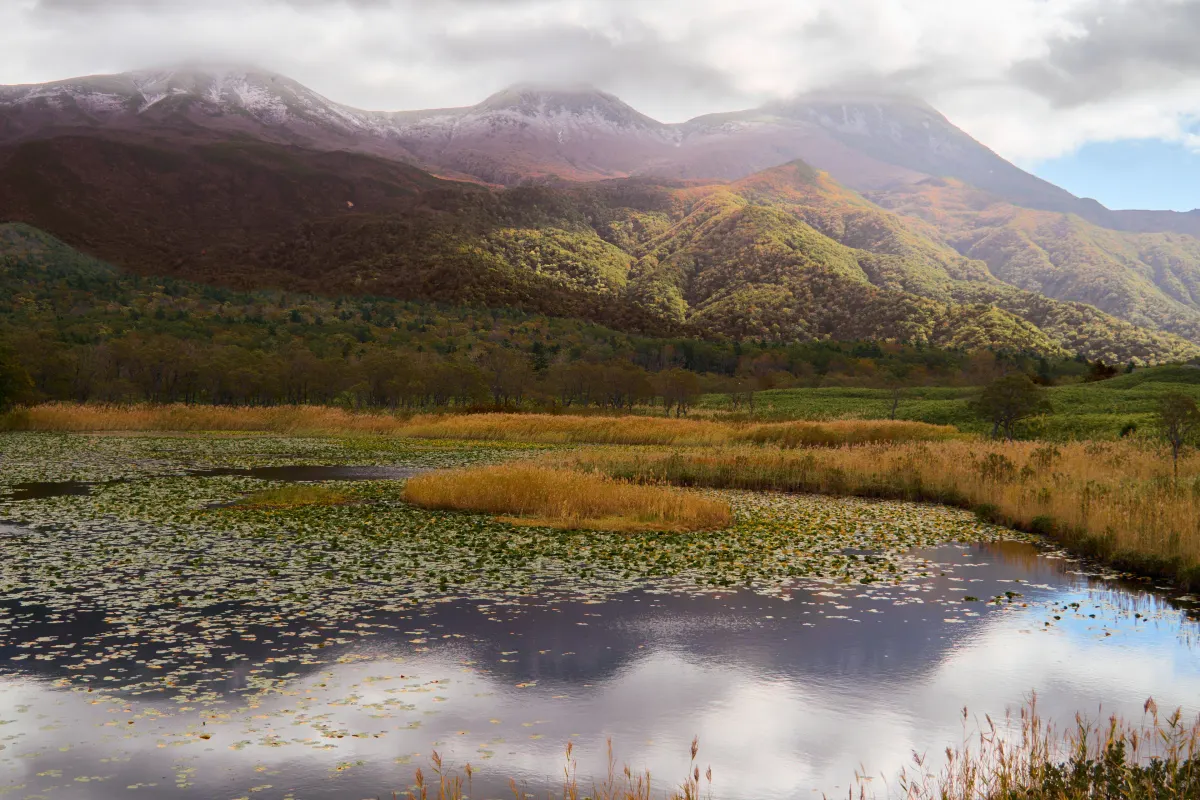
Hokkaido, Japan's northern island, is a different Japan: wide open farmland, volcanoes, forests and lakes, few people, and some of the best seafood, dairy and ramen in the country. The best way to see it is by car, as trains and buses are slow and infrequent outside the cities. This trip runs from Sapporo to the Shiretoko peninsula in the far east, and is about 1,000 km.
Map of the route
Sapporo to Shiretoko, about 854 km
Shiretoko to Memanbetsu Airport, about 91 km
Day trip: Sapporo to Otaru, about 33 km
Click a dot for the place. Day numbers mark where each day ends. Route from OpenStreetMap (© OpenStreetMap contributors, ODbL).
Before you go
- When: June to September for green fields, flowers (lavender in July) and walking; late September and early October for autumn colours in the mountains. In winter, Hokkaido is deep in snow: great for skiing in Niseko and the Sapporo Snow Festival, but this road trip isn't for winter.
- Driving licence: to drive in Japan you need your licence and an International Driving Permit issued under the 1949 Geneva Convention, or for licences from a few countries, including Germany, France, Switzerland, Belgium, Monaco and Taiwan, an official Japanese translation. Get it before you leave home. Japan drives on the left.
- Car hire: pick up in Sapporo or at New Chitose Airport and drop off at Memanbetsu or Kushiro airport, then fly back to Tokyo or Sapporo. Ask about the expressway pass for visitors, which can save on tolls.
- On the road: speed limits are low and strictly kept to, and the roads are quiet. Watch for deer, foxes and, in the east, bears; never feed wildlife. See Earthquakes and safety in Japan.
Day 1: Sapporo and Otaru
Spend the day in Sapporo, a modern city on a grid, with the Odori Park and the old clock tower. Take the train to Otaru (about 40 minutes) for its canal, old warehouses and glassworks. In the evening, eat miso ramen or jingisukan lamb, and drink at the Sapporo Beer Museum. Pick up your car the next morning.
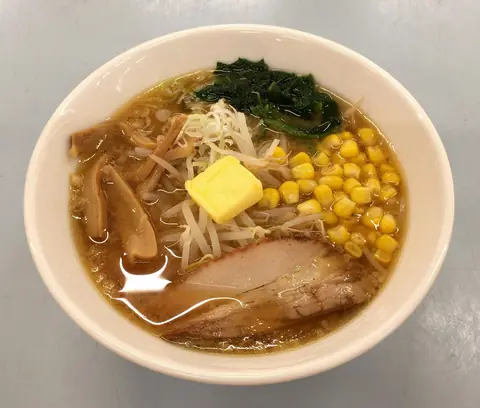
Sapporo miso ramen
Sapporo is famous for miso ramen, created here in the 1950s: a rich, savoury broth flavoured with miso and often a little lard to keep it hot in Hokk…
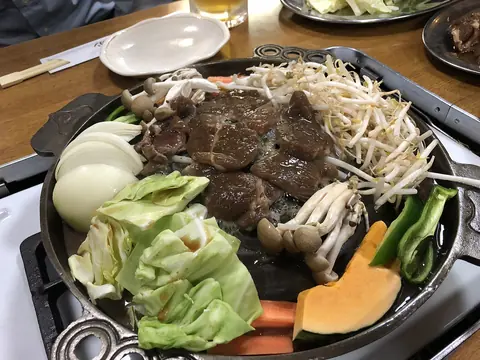
Jingisukan (grilled lamb) in Sapporo
Hokkaido's favourite barbecue is named after Genghis Khan: slices of lamb and mutton grilled on a dome-shaped iron pan, with bean sprouts, onions, ca…
Day 2: Lake Shikotsu and Noboribetsu (about 2 hours)
Drive south past Lake Shikotsu, a deep, clear crater lake, to the hot spring town of Noboribetsu. Walk through Jigokudani (Hell Valley), a steaming volcanic valley, and stay in a ryokan with hot spring baths.
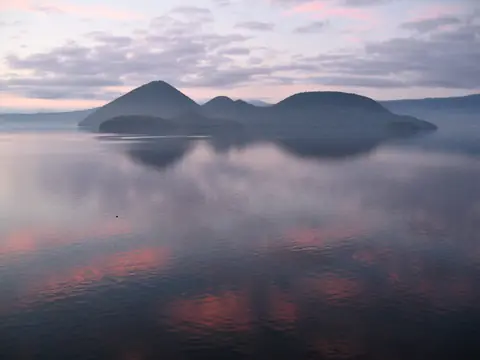
Noboribetsu Jigokudani (Hell Valley)
Hokkaidō's best-known hot spring town, in Shikotsu-Tōya National Park.
Day 3: Furano and Biei (about 3½ hours)
Drive north to Furano, known for its lavender and flower farms (best in July), then on to Biei, with its rolling fields and the strange blue water of the Shirogane Blue Pond.
Day 4: Daisetsuzan (about 2 hours)
Take the ropeway up Asahidake, Hokkaido's highest mountain, in Daisetsuzan National Park, and walk among the steaming vents and alpine flowers. Then drive round to Sōunkyō Gorge, with its waterfalls and hot spring town.
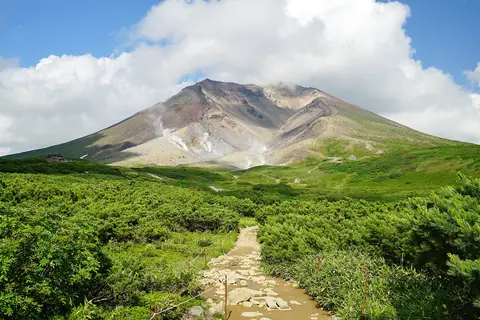
Daisetsuzan National Park and Asahidake
Japan's largest national park, a wild volcanic plateau in the centre of Hokkaidō known as 'the roof of Hokkaidō'.
Day 5: Lake Akan (about 3 hours)
Drive east to Lake Akan, in Akan-Mashū National Park, a crater lake ringed by forest and known for its round green balls of marimo algae. Walk to the bubbling Bokke mud pools, and visit the Ainu village (Ainu Kotan) by the lake, with crafts and performances of the culture of Hokkaido's indigenous people. Stay at the lake's hot spring town.
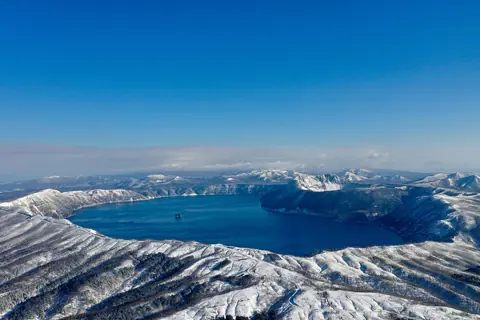
Lake Mashū and Akan-Mashū National Park
Volcanic caldera lakes in eastern Hokkaidō.
Day 6: Lake Mashū and Shiretoko (about 3½ hours)
Drive to Lake Mashū, one of the clearest lakes in the world and often hidden in fog, the steaming sulphur vents of Iōzan, and Lake Kussharo, where hot water bubbles up through the sand. Then drive on to Utoro, on the Shiretoko peninsula, a World Heritage Site with brown bears, deer and sea eagles. See the Oshinkoshin Falls on the way in, and walk to the Shiretoko Five Lakes on the raised boardwalk (the trails round the lakes need a guided tour or a short lecture first, depending on the season).

Shiretoko National Park
A remote peninsula on the north-east tip of Hokkaido, a UNESCO World Heritage Site, with brown bears, deer and sea eagles.
Day 7: Shiretoko by boat, then Memanbetsu Airport (about 2 hours)
Take a boat trip along the peninsula's cliffs, where there are no roads, to look for bears on the shore. Then drive to Memanbetsu Airport, stopping for crab and seafood on the way.
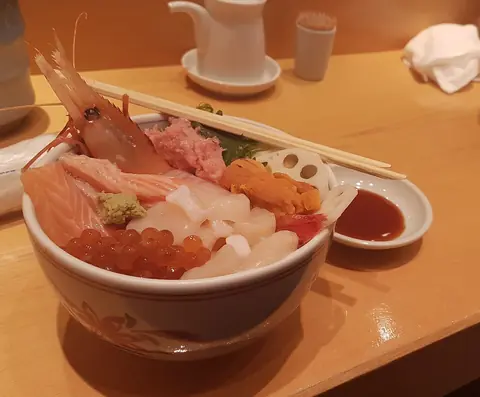
Hokkaido crab and seafood bowls
Hokkaido, Japan's northern island, is surrounded by cold, rich seas, and its seafood is some of the best in Japan.
With more time
- Hakodate, at the southern tip, for its morning market and night view, on the shinkansen from Tokyo.
- Kushiro Marshes, south of Akan, for red-crowned cranes, especially in winter.
- Shakotan peninsula, west of Otaru, for the blue sea and sea urchin bowls in summer.

Comments
No comments yet.