
Staying healthy in India: Delhi belly, water, vaccinations, air pollution, heat, mosquitoes and altitude
Most visitors to India stay well, and many get nothing worse than a day or two of upset stomach. A few precautions about food, water, mosquitoes and the air make a big difference. See a travel nurse or doctor about six to eight weeks before you go.
Delhi belly
- Travellers' diarrhoea is the most common problem. Wash your hands or use hand gel before eating, and ease into the food: India's spices aren't the problem, but your stomach will be meeting new bacteria.
- Most cases clear up in a day or two. Drink plenty, with oral rehydration salts (sold in pharmacies as ORS, or as Electral), and eat plain food such as rice, bananas, curd (yogurt) and toast.
- See a doctor if you have a high fever, blood in your stools, or it lasts more than a few days. Pharmacies in India sell many medicines without a prescription, but don't take antibiotics without advice.
Water and ice
- Don't drink tap water. Drink bottled water (check the seal) or filtered water: many hotels, restaurants and guesthouses have RO (reverse osmosis) filters, and a refillable bottle with a filter saves a lot of plastic.
- Ice in good restaurants and bars is usually made from filtered water. Avoid it at street stalls, and in drinks such as sugar-cane juice and lassi from stalls with no turnover.
- Brush your teeth with bottled or filtered water if your stomach is sensitive.
Food
- Street food is one of India's great pleasures: choose busy stalls where food is cooked fresh in front of you and served hot. See Food and drink.
- Be careful with salads and cut fruit that may have been washed in tap water; fruit you peel yourself is fine.
- Vegetarian food is often safer, and India has some of the best in the world.
- Seafood is best near the coast, and not in the hot season or the monsoon.
Vaccinations to ask about
- Make sure your routine vaccinations are up to date, including tetanus, diphtheria, polio and measles. Hepatitis A and typhoid are usually recommended.
- Depending on your trip, ask about hepatitis B, rabies (dogs and monkeys are everywhere, and rabies is common in India), Japanese encephalitis (for long stays or rural areas in some seasons) and cholera.
- If you're arriving from a country with a risk of yellow fever, or have been in one recently, you need a yellow fever vaccination certificate, or you can be quarantined. Check the list with your doctor.
- If a dog or monkey bites or scratches you, wash the wound for 15 minutes with soap and water and get medical advice the same day, even if you've been vaccinated.
Air pollution
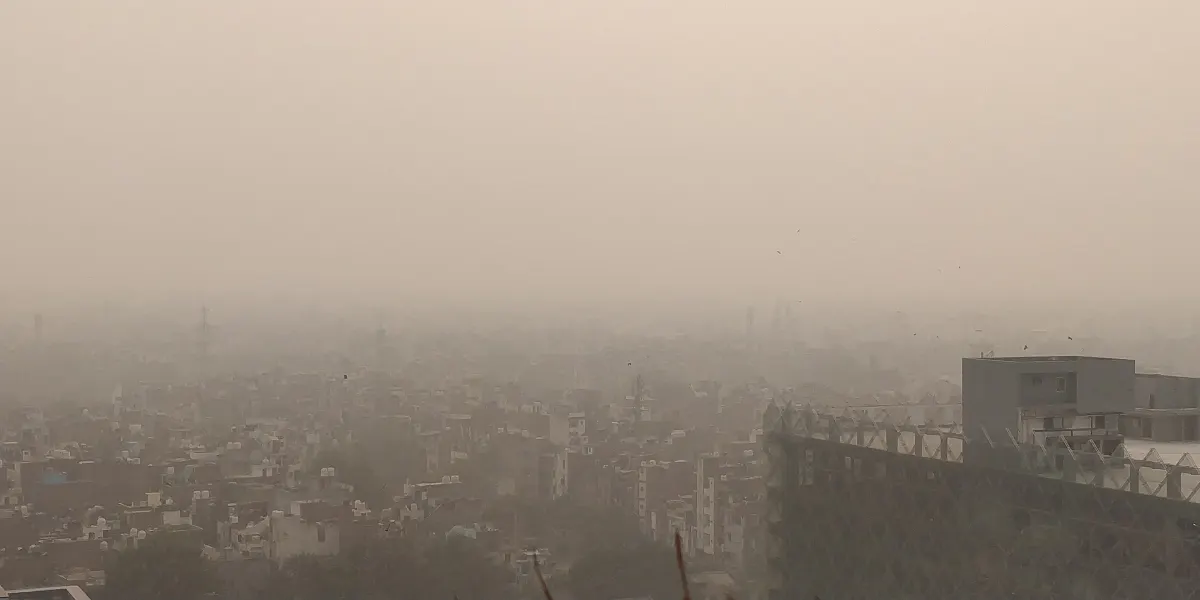
The air in north Indian cities is among the worst in the world from about October to February, when smoke from crop burning, traffic, industry and the Diwali fireworks are trapped by cold, still air. In Delhi the air quality index is often "very poor" or "severe", and Agra, Varanasi, Lucknow and Kolkata can be bad too. Check the AQI in an app, wear a well-fitting N95 or FFP2 mask outdoors on bad days, choose hotels with air purifiers, and plan outdoor sightseeing and exercise for days when it's better. If you have asthma, heart or lung problems, ask your doctor first and bring your medicines. The south and the coasts are usually much cleaner.
Heat
From April to June, the plains of the north and centre are extremely hot, often above 40°C and sometimes over 45°C. Sightsee early in the morning and late in the afternoon, rest in the middle of the day, drink plenty of water with rehydration salts, cover up, and wear a hat. Heatstroke can kill. The south and the coast are humid rather than scorching. See Weather and when to go.
Mosquitoes: dengue and malaria
- Dengue is common across India, especially during and after the monsoon, from about July to November, and in cities too. There's no tablet to prevent it: avoid bites, especially in the daytime, with repellent (DEET, picaridin or similar), long sleeves and screened or air-conditioned rooms.
- Malaria is a risk in some areas, especially the forests of the east and northeast, and in the rainy season. The risk is low in most tourist areas, but ask your doctor whether you need tablets for where you're going.
- Chikungunya and Zika are also spread by mosquitoes. See a doctor if you get a fever.
Altitude
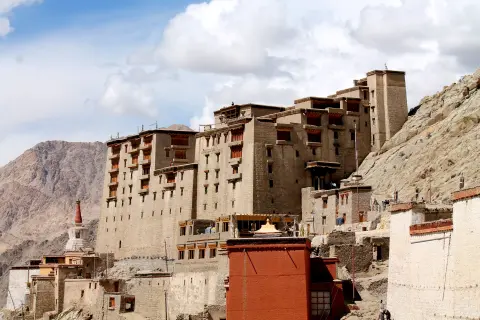
Flying into Leh, at about 3,500 metres, from sea level puts most people at risk of altitude sickness. Rest completely for the first day or two, drink plenty of water, avoid alcohol, and don't go higher (to the passes, Pangong or Tso Moriri) until you've acclimatised. Headaches, nausea and poor sleep are common; severe headache, confusion, breathlessness at rest or a bad cough mean you need to go down and see a doctor. Ask your doctor about acetazolamide (Diamox) before you go. Spiti, Sikkim and treks in the Himalaya need the same care. See A week in Ladakh.
Hospitals and insurance
- The private hospitals in the big cities, such as the Apollo, Fortis, Max and Manipal groups, are very good, but expect to pay upfront or show your insurance. Hospitals in the countryside are basic.
- Take out travel insurance that covers medical evacuation, and treks and altitudes if you're going to the Himalaya.
- Pharmacies (chemists) are everywhere and cheap. Bring enough of your own medicines, in their original packets.
- The emergency number is 112.
See also: Food and drink and Scams and safety.

Comments
No comments yet.