
Arriving in India: e-Visas, the e-Arrival card, your passport and permits
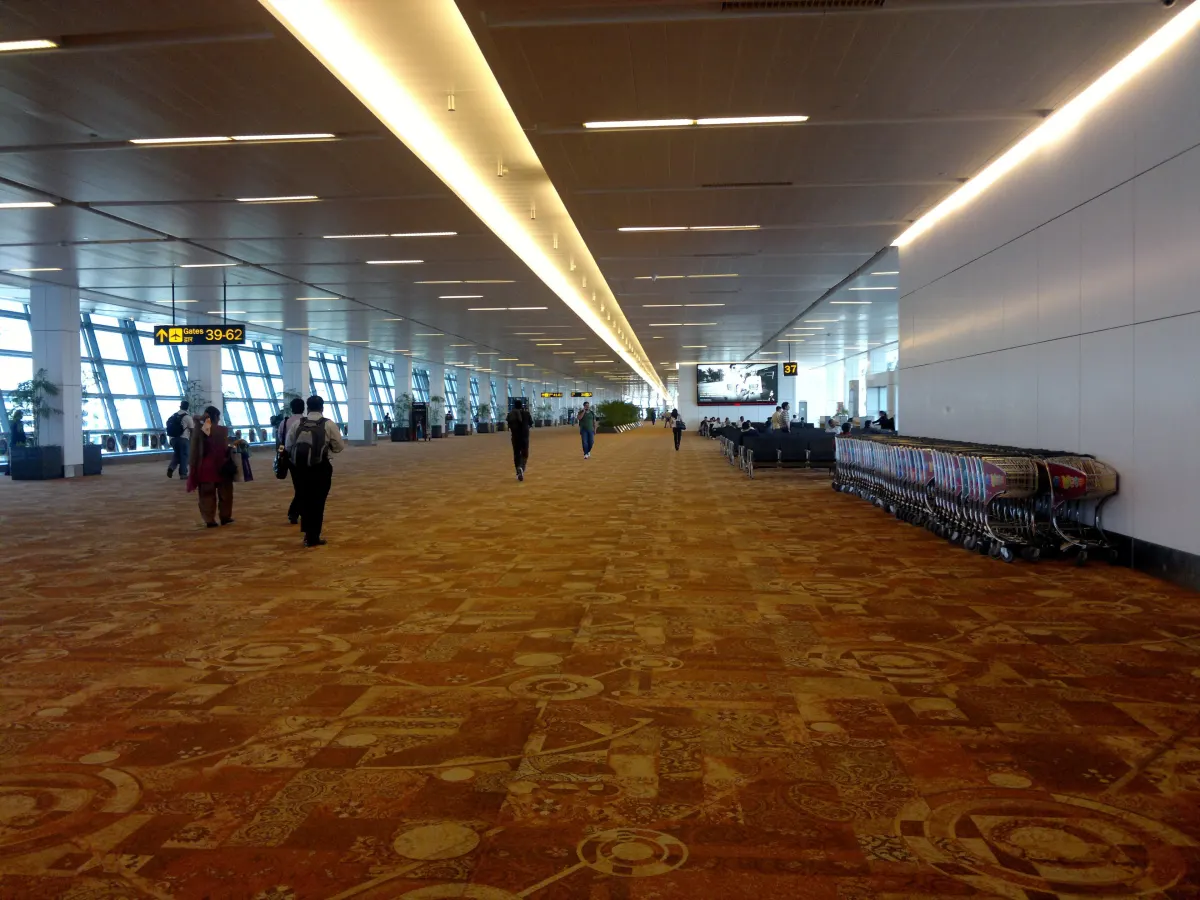
Almost every visitor needs a visa for India, and most people get an e-Visa online. It's straightforward if you use the official website, apply in good time and fill in the online arrival card before you fly. A few parts of India also need a separate permit, which an e-Visa doesn't cover.
The e-Visa
- Apply only on the official site, indianvisaonline.gov.in (the e-Visa pages are at indianvisaonline.gov.in/evisa). Searching for "India visa" brings up many lookalike sites, often with Indian flags and official-sounding names, which charge several times the government fee to submit the same form for you, or worse. The Indian government says it charges no "emergency" or "express" fee for an e-Visa, so a site offering one isn't official.
- The e-Tourist Visa comes in three lengths: 30 days, 1 year and 5 years. The 1-year and 5-year visas allow multiple entries, but you can't spend more than 180 days in India in a calendar year. The fee depends on your nationality and the visa's length, and is shown on the site; a bank charge of about 3% is added. It isn't refunded if the visa is refused.
- Apply at least 4 days before you arrive, and longer before if you can, as a few applications are held up. You upload a scan of your passport's photo page and a photo of your face on a plain, light background, and pay by card.
- The approval (the Electronic Travel Authorisation, or ETA) comes by email. Print it, or keep it on your phone, and check the passport number and name are exactly right: airlines check it before you board.
- e-Visas are valid only for arrival at the airports and seaports listed on the site, which include all the main international airports. You can leave from any immigration checkpoint. If you're arriving overland, from Nepal or Bangladesh for example, check the list: you may need a regular visa from an Indian embassy instead.
- An e-Visa can't be extended or changed to another kind of visa, and it doesn't cover protected and restricted areas (see below).
- Holders of an Overseas Citizen of India (OCI) card don't need a visa.
Your passport
Your passport must be valid for at least 6 months (the e-Visa site counts from when you apply; to be safe, have 6 months left when you arrive) and have at least two blank pages. Bring the passport you applied with: the e-Visa is tied to its number. If you get a new passport, you need a new e-Visa, unless you have a 1-year or 5-year visa and your embassy says otherwise.
The e-Arrival card
- Since October 2025, all foreigners (including OCI card holders) fill in an e-Arrival card online, in place of the old paper landing card. Do it in the 72 hours before you arrive, at indianvisaonline.gov.in/earrival or in the government's Indian Visa Su-Swagatam app. It's free: again, ignore sites that charge for it.
- It asks for your flight, your address in India and where you've been recently. Keep the confirmation on your phone. If you couldn't do it in time, ask at the airport, but expect a delay.
- Hotels and guesthouses register foreign guests with the police (on the "Form C"), so they'll ask for your passport and visa when you check in.
Customs
- Declare cash over US$5,000 in notes, or over US$10,000 in notes and travellers' cheques together. There are limits on taking Indian rupees into and out of India, so change money when you arrive, not before.
- Satellite phones and satellite messengers (such as Garmin inReach devices) are illegal in India without a licence, and visitors have been arrested for carrying them, even in transit. Leave them at home. Handheld GPS units are also restricted.
- Vapes and e-cigarettes are banned: you can't bring them in or buy them in India.
- Bring prescription medicines in their original packaging, with a copy of the prescription.
- Drones need permission and registration in India: don't bring one without arranging this first.
- If you've been in a country with yellow fever in the days before you arrive, you need a yellow fever vaccination certificate. See Staying healthy.
Places that need an extra permit
Some border areas are protected or restricted areas, and foreigners need a permit (a Protected Area Permit or Restricted Area Permit) as well as a visa. The rules change from time to time, so check before you plan a trip, and give yourself time.
- Arunachal Pradesh: the whole state needs a Protected Area Permit, usually arranged through a registered tour operator and often only for groups of two or more. That includes Tawang and Ziro.
- Sikkim: foreigners need a Restricted Area Permit to enter the state, issued free at the Rangpo checkpoint on the road from West Bengal, at Bagdogra airport and at Sikkim's offices in Delhi and Kolkata. Places nearer the border, such as Tsomgo Lake, North Sikkim and the Goecha La trek, need an extra permit through a registered agency.
- Manipur, Mizoram and Nagaland: from December 2024 the government brought back the Protected Area Permit for foreigners, which had been dropped for years. Ask a local tour operator how to get one. Several governments advise against travel to Manipur, which has had serious ethnic violence since 2023.
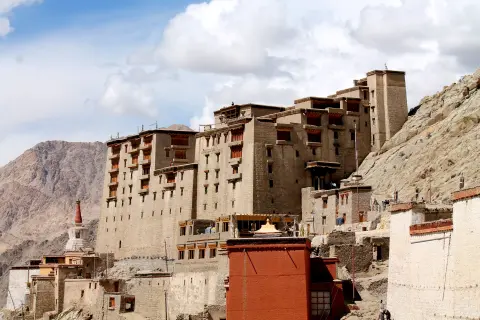
- Ladakh: Leh and the main roads into it don't need a permit, but most places beyond, including the Nubra Valley, Pangong Lake and Tso Moriri, do. It's quick to get through a registered travel agent in Leh. See A week in Ladakh.
- The Andaman and Nicobar Islands: since 2018 most of the islands visitors go to, including Port Blair (Sri Vijaya Puram) and Havelock (Swaraj Dweep), no longer need a permit. Tribal reserves are closed to visitors, and it's illegal to go near North Sentinel Island.
- Meghalaya, Assam and Tripura don't need a permit for foreigners.
Check your government's travel advice
Several governments advise against travel to parts of India, including the Union Territory of Jammu and Kashmir (which includes Srinagar and Gulmarg, but not Ladakh) and the area near the border with Pakistan. Your travel insurance may not cover you there. Read your government's advice before you book.
See also: Phones and apps, Money and Scams and safety.

Comments
No comments yet.