
Money in India: rupees, ATMs, cash, UPI, tipping and bargaining
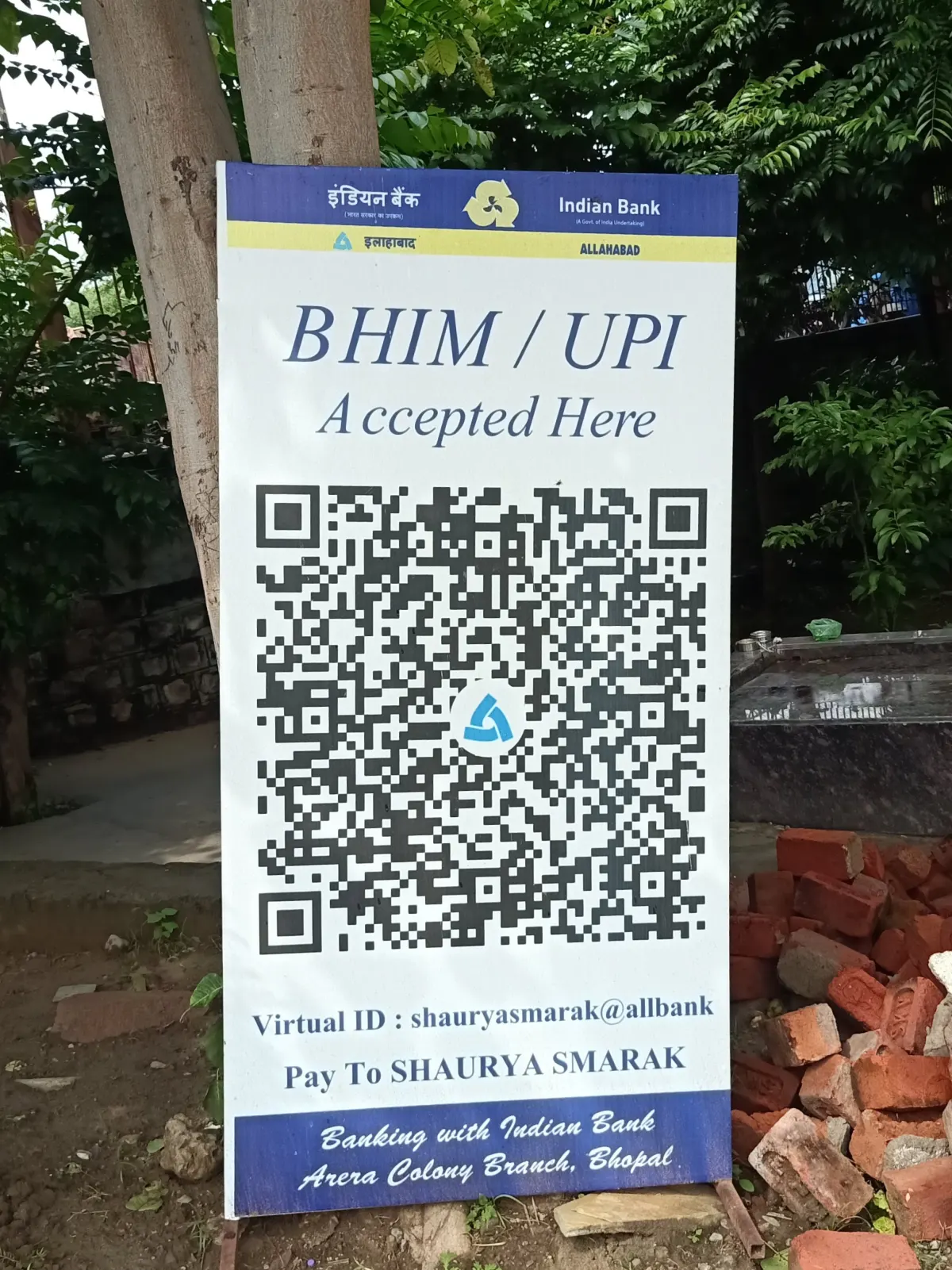
India is still very good value, but how people pay has changed fast. Indians now pay for almost everything, from tea stalls to taxis, by scanning a QR code with UPI, a payment system linked to Indian bank accounts. Visitors mostly can't, so you'll rely more on cash and cards than locals do.
Rupees
- The Indian rupee (INR, ₹) comes in notes of 10, 20, 50, 100, 200 and 500 rupees, and coins of 1, 2, 5, 10 and 20 rupees. The 2,000 rupee note has been withdrawn from use, so don't accept one.
- Keep small notes: rickshaw drivers, stalls and small shops often can't change a 500. Break big notes in supermarkets, restaurants and petrol stations.
- Torn or very worn notes are often refused. Don't take them in your change.
- There are limits on taking rupees in and out of India, so get them when you arrive, from an ATM or an exchange counter.
ATMs
- ATMs are everywhere in towns, but fewer in the mountains and the countryside, and they sometimes run out of cash before holidays and weekends. Take out enough before you go to Ladakh, Spiti, the northeast or small islands.
- Machines often give only 10,000 rupees or so a time, and some Indian banks charge a fee for foreign cards, on top of your own bank's fee. Try the ATMs of big banks such as SBI, HDFC, ICICI and Axis.
- If the machine offers to charge you in your home currency, choose rupees (without conversion). The same applies when paying by card.
- Use ATMs in banks, malls and hotels, or in a booth with a guard, and cover the keypad.
Cards and cash
- Visa and Mastercard are accepted in hotels, airlines, chain restaurants, malls and bigger shops, and contactless payment works in the cities. American Express is less widely taken.
- You'll need cash for auto-rickshaws, street food, markets, small shops and guesthouses, temple donations, tips and many entry tickets outside the big monuments.
- Exchange counters and banks change cash: bring clean, undamaged euros, US dollars or pounds, and your passport. Keep the receipt.
UPI for visitors
- A normal UPI account needs an Indian bank account and phone number. There are a few ways round it for visitors, though none yet works for everyone:
- UPI One World is a prepaid UPI wallet for foreign visitors, which you open with your passport and visa and top up with foreign money or a card. It's been offered through a few licensed providers and at some airports; check what's available before you go.
- Non-resident Indians with an Indian bank account can use UPI with a phone number from some countries, which doesn't help most visitors. Some travel and payment apps also sell prepaid wallets or cards that can pay Indian QR codes: read the fees.
- If you can't use UPI, most people who show you a QR code will happily take cash instead.
Prices for foreigners
Monuments run by the Archaeological Survey of India, such as the Taj Mahal, Humayun's Tomb and Agra Fort, charge foreigners much more than Indians, as do many national parks and museums. You can often buy tickets online and pay less than at the gate. Camera and video tickets are sometimes extra.
Bargaining
- Bargain in markets and bazaars, at souvenir and handicraft stalls, with autos and taxis without meters, and for hotels in the low season.
- Don't bargain in shops with price labels or "fixed price" signs, malls, chain stores, pharmacies and restaurants, or for a cup of chai.
- Start well below the first price, be friendly, and be ready to walk away. Prices for tourists are often double or more at first. Government emporiums (state craft shops) have fixed prices, and are useful for an idea of what things should cost.
- If a driver or guide takes you to a shop, expect to pay more, as they take a commission.
Tipping
- Restaurants: some add a service charge, which is meant to be optional, and you can ask for it to be removed. If not, leave about 10% in sit-down restaurants. GST (tax) is added to many restaurant bills.
- Drivers: for a car and driver hired for several days, a tip of a few hundred rupees a day at the end is usual, more if they've been very good.
- Guides: tip guides on tours and at monuments. Hotel porters usually get 50 to 100 rupees.
- Autos and app cabs: no tip is expected, but rounding up is welcome.
- At temples and gurdwaras, a donation in the box is welcome but never required. Ignore anyone demanding money to "look after" your shoes or for a blessing you didn't ask for.
See also: Scams and safety and Phones and apps.




Comments
No comments yet.