
Getting around India: flights, Uber and Ola, auto-rickshaws, metros and hiring a car and driver
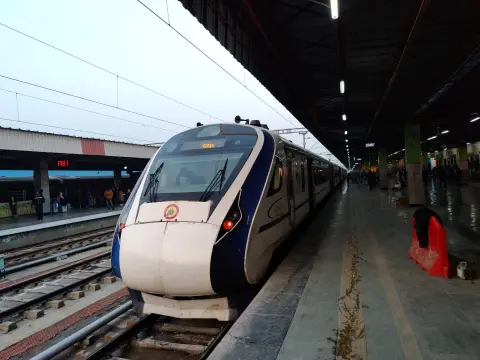
India is huge, and most visitors mix trains (see Trains in India) with a few domestic flights, apps for getting around the cities, and a car with a driver for the countryside. Allow more time than the map suggests: 100 km by road can easily take three hours.
Domestic flights
- Flying saves days on long trips, such as Delhi to Kochi, Goa or Leh, and fares are often low if you book ahead. The main airlines are IndiGo, Air India (and Air India Express), Akasa Air and SpiceJet.
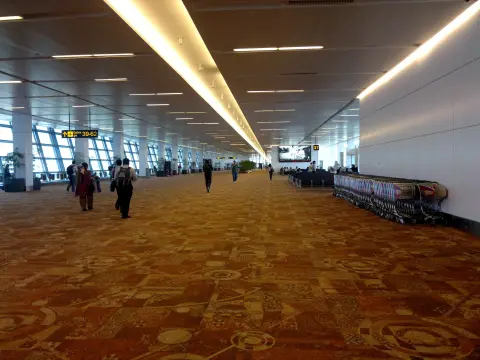
- You need your ticket (on your phone is fine) and your passport just to enter the terminal building. Arrive at least 2 hours before a domestic flight: security queues can be long, and in some airports women and men queue separately.
- Check the baggage allowance: the cheapest fares often include only about 15 kg in the hold and 7 kg in the cabin, and are strict about it.
- Mumbai and Goa each have two airports some way apart, so check which one your flight uses.
- Flights in north India are often delayed by fog in December and January, especially in the early morning.
Uber, Ola and other apps
- Uber works in all the big cities and many smaller ones, and will usually take a foreign card. Ola and Rapido (motorbikes, autos and cars) are the Indian rivals, and may need an Indian phone number. In Goa, Kerala and some other places, local taxi unions limit the apps, so you may have to use local taxis.
- Apps are the easiest way to avoid haggling, and the price is fixed before you go. You can book an auto-rickshaw as well as a car.
- Check the number plate before you get in, and share the trip with someone. Some drivers ask where you're going and cancel if they don't like it, or ask you to pay cash: that's normal.
- At big airports there are marked pick-up zones for app cabs, often a walk from the arrivals hall.
Taxis from airports and stations
If you haven't got an app working, use the prepaid taxi booth inside the arrivals hall, run by the police or the airport. You pay a fixed fare at the counter and give the slip to the driver at the end. Ignore people who approach you in the hall offering a taxi, and don't let the driver take you to a different hotel from the one you booked: see Scams.
Auto-rickshaws
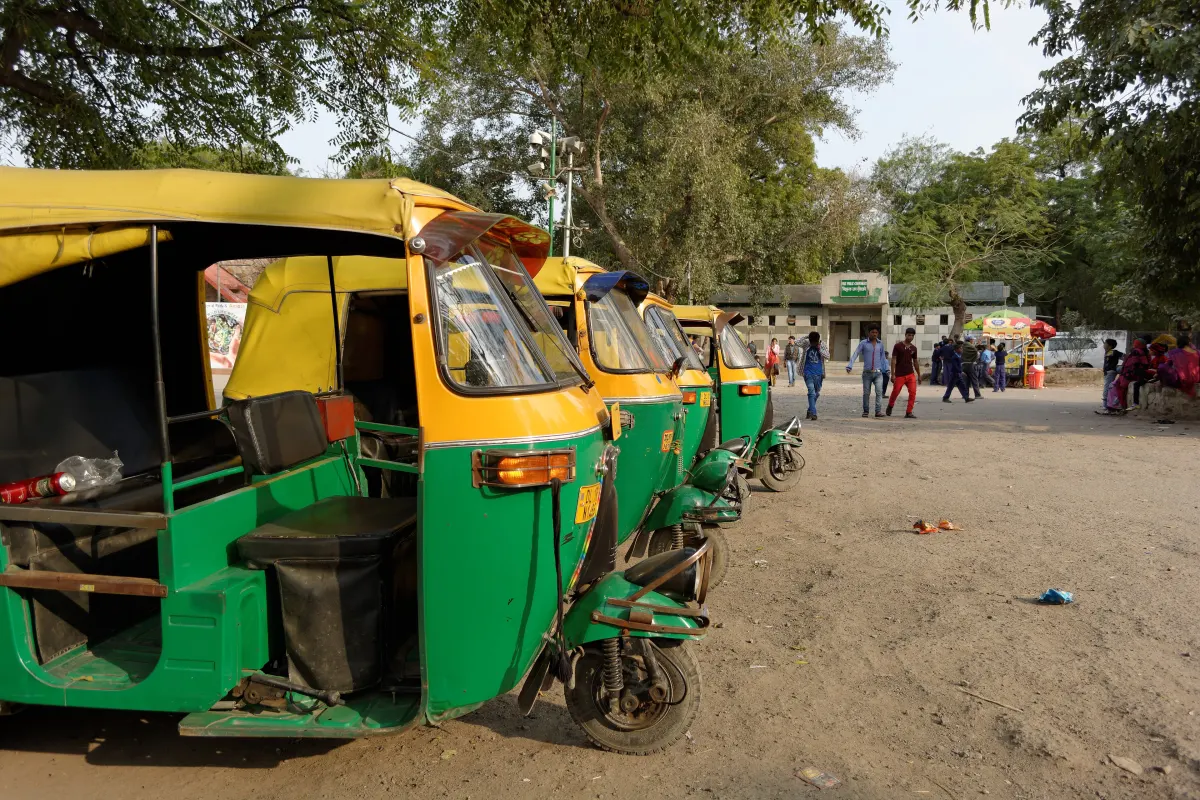
- The three-wheeled auto-rickshaw (auto, or tuk-tuk) is the quickest way round most towns. In Delhi and some other cities they run on CNG gas and are green and yellow; in Mumbai they're black and yellow, and don't go into south Mumbai.
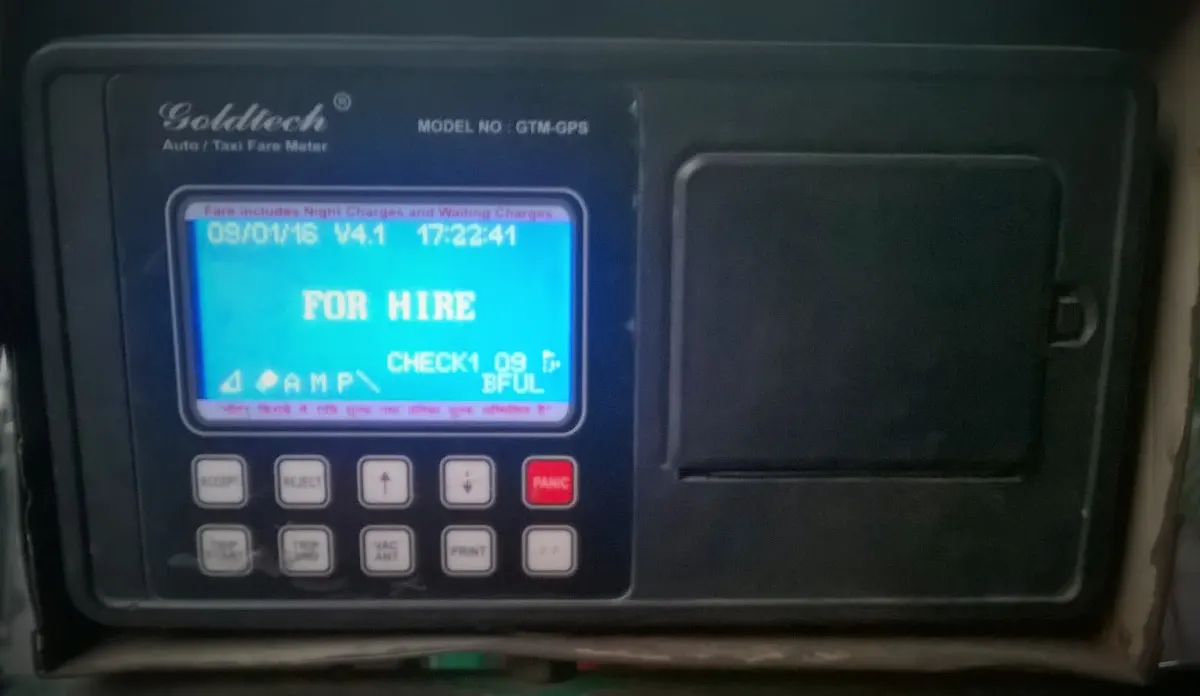
- Autos are supposed to use the meter. In Mumbai and Bengaluru they usually do; in Delhi, Jaipur, Agra and tourist areas, drivers usually want to agree a price instead. Ask a local or check the app price first, agree before you get in, and have the right change.
- Many towns have prepaid auto booths at the railway station.
- Cycle rickshaws and electric e-rickshaws are good for short trips in old city lanes, such as Old Delhi.
The metros
- Delhi has one of the biggest metro systems in the world, which is clean, cheap and air-conditioned. The Airport Express (orange) line runs from Terminal 3 to New Delhi station in about 20 minutes. Buy QR tickets from the machines, counters or the official app, or a stored-value card for several days. Bags go through a scanner as you enter.
- Mumbai, Bengaluru, Chennai, Kolkata (India's oldest metro), Hyderabad, Kochi, Jaipur, Ahmedabad, Lucknow and Agra also have metros or new lines, though in some they don't yet reach the sights.
- The first carriage (or a marked part of it) is usually reserved for women. In the rush hour, Mumbai's suburban trains are notoriously packed; travel outside the peak if you can.
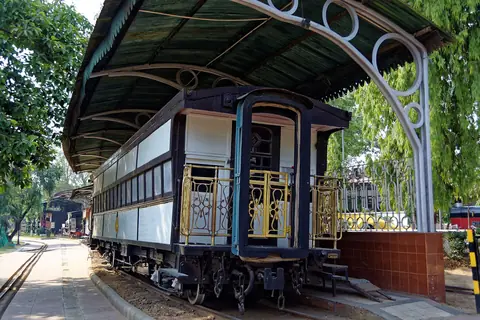
National Rail Museum, New Delhi
A large museum of India's railways, with more than 100 locomotives and carriages displayed outdoors and in galleries, from early steam engines to roy…
Hiring a car and driver
- Driving in India yourself isn't a good idea for a first visit: the traffic, the cows on the road and the different rules take getting used to. A car with a driver costs much less than you might think, and is the usual way to tour Rajasthan, Kerala or Ladakh.
- Book through your hotel, a local travel agent or a recommended driver. Agree in writing: the car (a small car, or a bigger SUV such as an Innova for more comfort), the daily rate or the total, the route, how many hours a day, and whether tolls, parking, state permits and the driver's food and lodging (the "driver's allowance") are included. Most drivers sleep in drivers' quarters at hotels.
- Your driver will probably suggest shops where he gets a commission. Say politely if you don't want to stop. Tip at the end, if you're happy: see Money.
- Avoid long drives at night, when trucks dominate the roads and fog is a danger in winter. Wear a seatbelt if there is one.
- If you do drive yourself, you need an international driving permit (the 1949 version) with your licence. Traffic drives on the left.
Buses
State and private buses go everywhere, including overnight sleeper buses with beds. Private buses can be booked on apps such as redBus, though some need an Indian card. Overnight buses are driven fast, and the trains are usually safer and more comfortable.
See also: Phones and apps and 7 days in the Golden Triangle.

Comments
No comments yet.