
Scams and safety in India: touts, fake tourist offices, gem scams and advice for women
India isn't a dangerous country for visitors, and violent crime against tourists is rare. But in the tourist hot spots, especially Delhi, Agra, Jaipur and Varanasi, you'll meet touts and scammers who are very good at their job. Most scams depend on you trusting a friendly stranger, or believing that something you've booked has gone wrong. Knowing the common ones is most of the defence.
"Your hotel is closed"
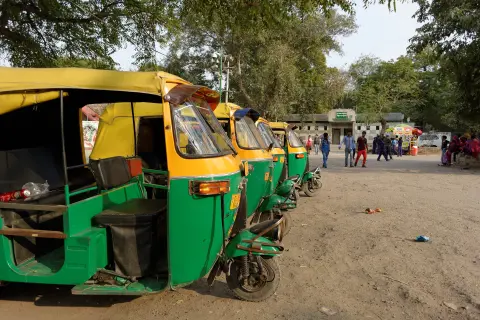
A taxi or auto driver, or a friendly man at the station, tells you your hotel has burned down, flooded, closed or is full, or that the road is closed because of a festival or riot, and takes you to another hotel (where he gets a commission) or a "tourist office". Your hotel is almost certainly fine. Call it yourself, using the number in your booking, not one he gives you, and insist on being taken there, or use an app cab. Booking an airport pick-up through your hotel for the first night avoids the whole problem.
Fake tourist offices and ticket touts
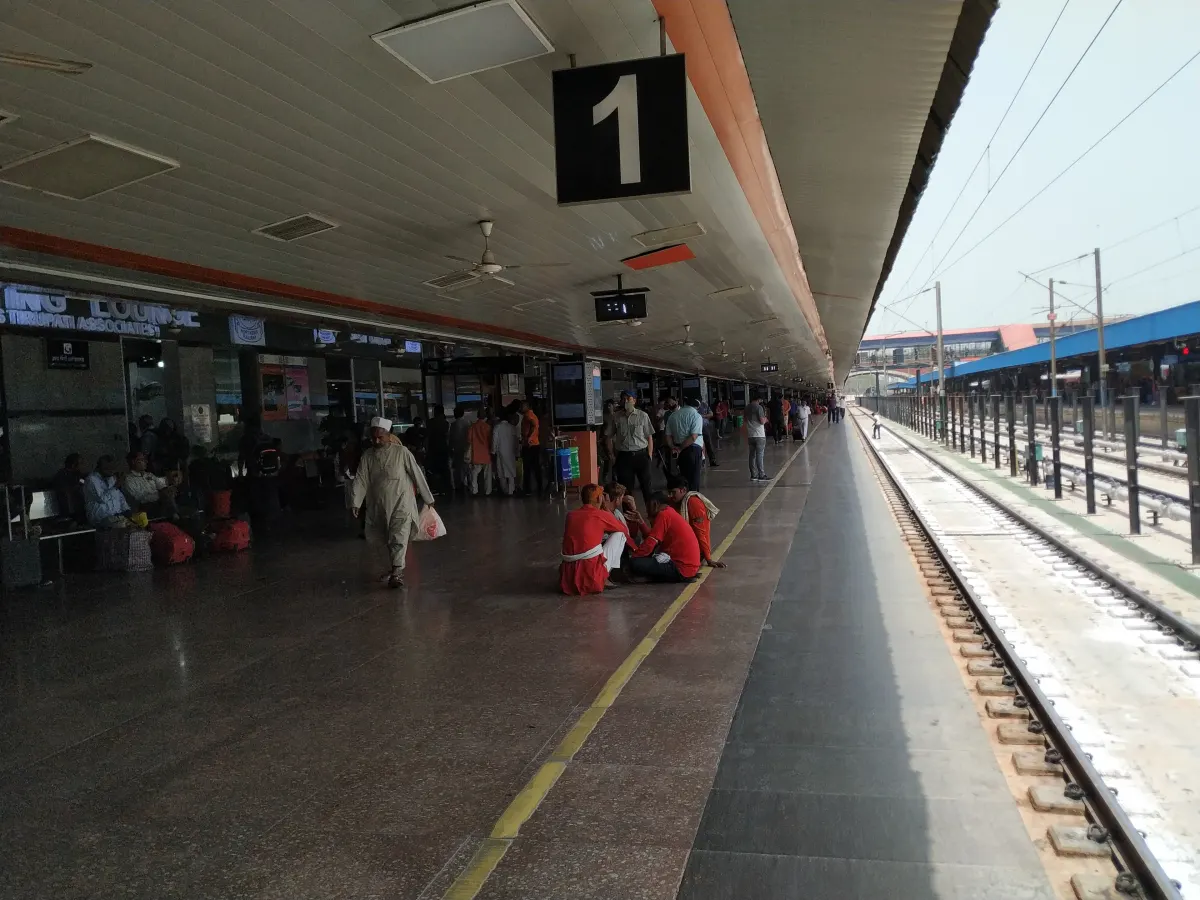
- Around New Delhi station and Connaught Place, men tell you your train ticket isn't valid, the station is closed, or that foreigners must book at a "government tourist office". They steer you to private agencies with official-looking names and signs, which sell overpriced tours and tickets.
- The real international tourist bureau at New Delhi station is inside the station, on the first floor, on the Paharganj side. Walk on and ignore anyone who stops you on the way. The Government of India's tourist offices (India Tourism) don't sell tours.
- Book trains yourself on IRCTC or a known app: see Trains.
Gem and carpet scams
In Jaipur, Agra and other towns, a friendly young man (often a student) asks you to help his family's business by carrying jewels or carpets home to sell at a big profit, paying a "deposit" or using your credit card as a guarantee. You'll never see the money again, and the gems are worthless. Never agree to export goods for anyone, and buy gems only from reputable shops, as an ordinary purchase.
Commission shops and "free" tours
- A driver, guide or rickshaw rider offering a very cheap tour will usually take you to shops (textiles, marble, jewellery, carpets) that pay him commission. Say at the start that you don't want to shop.
- At ghats, temples and monuments, people offer to guide you, then ask for a large fee, or tie a "free" blessing string on your wrist and ask for a donation. Agree a price first, or politely say no.
- Monuments have licensed guides with ID cards at the ticket office. Unlicensed guides at the Taj Mahal and other sites will tell you the monument is closed, or that you need them to get in. You don't.
- At Manikarnika Ghat in Varanasi, men tell you that you must donate for wood for "poor" cremations. Don't photograph cremations, and see Varanasi.
Other scams
- Fake visa and arrival card sites: use only indianvisaonline.gov.in. See Arriving in India.
- Money changing: count your money in front of the cashier, and watch for sleight of hand.
- Online and phone scams: messages from "customs" or "the police" about a parcel, or a fake booking site. Report fraud to the national cybercrime helpline on 1930.
- Card skimming at ATMs: see Money.
- Drink and food spiking happens occasionally, on trains and in bars. Don't accept food or drink from strangers. Bootleg alcohol can contain methanol, which can kill: drink only from sealed bottles from licensed shops and bars.
Theft
Pickpockets work in crowded markets, trains, stations and buses. Keep valuables in a zipped bag across your front, and lock your bags on trains. In Delhi and other cities, phones and bags are snatched by people on motorbikes: keep your phone away from the kerb.
Women travellers
- Many women travel around India alone and love it, but harassment, from staring and comments to groping in crowds, is common, and sexual assaults on foreign women have happened in tourist areas. Your government's advice will have more.
- Dress modestly, covering your shoulders and legs, especially away from the beaches: a long, loose kurta (tunic) over trousers, with a scarf, is comfortable and draws less attention.
- Use the women's carriage on the metro and suburban trains, and the separate women's queues at stations and in security. On overnight trains, an upper berth in AC 2-tier or 3-tier is more private.
- Avoid isolated places, including quiet beaches, after dark, and don't walk alone at night. Use app cabs, share your trip, and sit in the back.
- Arrive in a new town in daylight if you can, and book your first night ahead, ideally with a pick-up.
- Be firm. A loud "No!" or asking others nearby for help usually works. The women's helpline is 1091, and the emergency number 112.
Photography
- Don't photograph airports, military sites, bridges, police and army, or railway stations' security areas. India is strict about this.
- Photography is banned inside some temples and in the main chamber of the Taj Mahal, and some sites charge for cameras.
- Ask before photographing people, especially women. Some sadhus (holy men) pose for photos and expect money.
- Never photograph cremations at Varanasi's burning ghats.
- Drones aren't allowed without registration and permission.
Emergencies
- 112 for police, ambulance and fire; it works in English and Hindi. The 112 India app can share your location.
- Tourist police are on duty in many tourist areas, such as Delhi, Agra, Jaipur and Goa.
- If you lose your passport, report it to the police and get a copy of the report, then contact your embassy. You'll need an exit permit to leave India, which takes time.
See also: Culture and etiquette and Staying healthy.


Comments
No comments yet.