
Culture and etiquette in India: temples, mosques and gurdwaras, dress, the right hand and cows
India is a country of many religions, languages and customs, and Indians are generally forgiving of visitors' mistakes. A few things matter a lot, though, especially at places of worship. Watch what others do, and ask: people are usually happy to explain.
Places of worship
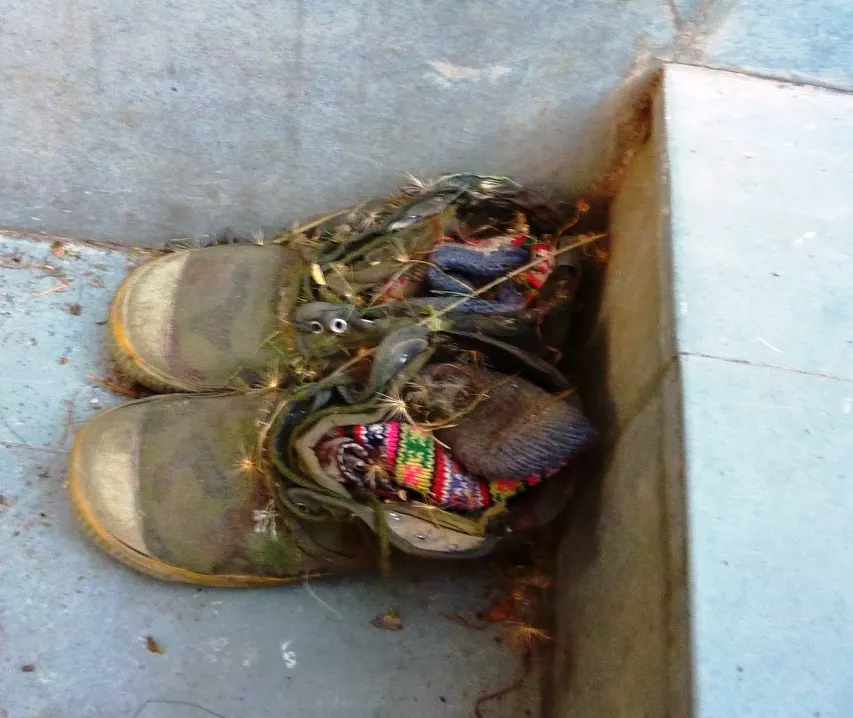
- Take off your shoes before entering temples, mosques, gurdwaras and many homes, and sometimes shops. There's usually a shoe stand or someone to look after them for a small tip. Socks are often allowed, and useful on hot stone.
- Cover your shoulders and knees, both men and women. Women should carry a scarf.
- Walk clockwise around shrines, stupas and temples, and don't point your feet at an image or a person.
- Don't touch statues or offerings, and ask before taking photos: it's often forbidden inside.
- Leather (belts, bags and shoes) isn't allowed in some Jain temples, such as Ranakpur and the Dilwara temples at Mount Abu, and women are asked not to enter during their period.
- Some Hindu temples don't admit non-Hindus, at least to the inner shrine, including the Jagannath Temple in Puri and many temples in Kerala. Respect the signs.
Mosques
Men should wear long trousers and cover their shoulders; women should cover their arms, legs and hair. Visitors are usually not allowed in during prayers, especially Friday midday prayers. At big mosques such as the Jama Masjid in Delhi, robes are lent at the gate, and there may be a camera fee.
Gurdwaras
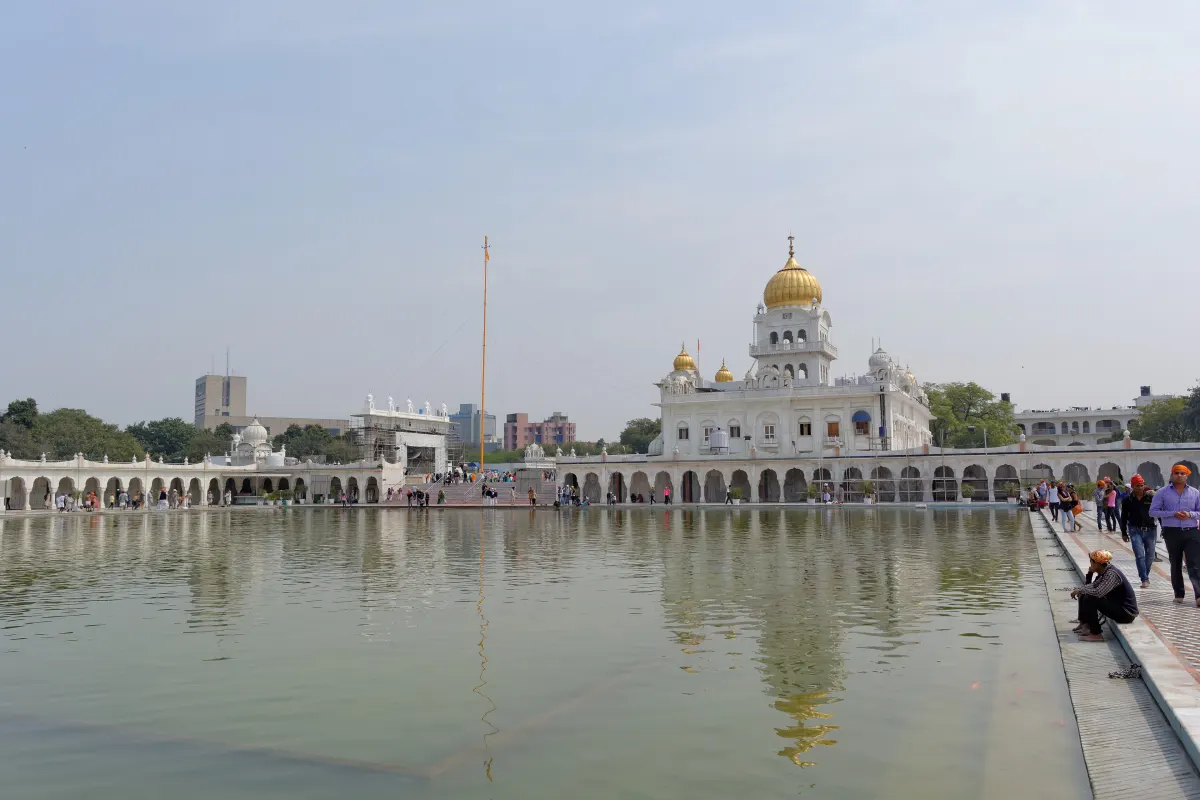
- Everyone, men and women, must cover their head in a Sikh gurdwara. Scarves are provided at the Golden Temple in Amritsar and Gurudwara Bangla Sahib in Delhi, but bring your own if you can.
- Wash your feet in the shallow pool at the entrance. Tobacco and alcohol are forbidden.
- Everyone is welcome to eat at the langar, the free community kitchen, sitting on the floor. Accept food with both hands cupped, and don't leave any.

Golden Temple, Amritsar
The holiest shrine of Sikhism, a gold-covered temple in the middle of a sacred pool, open to all.
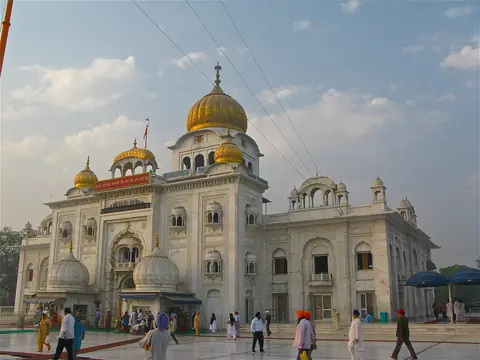
Gurudwara Bangla Sahib, Delhi
Delhi's best-known Sikh temple, with a golden dome and a large holy pool, built where the eighth Sikh guru, Guru Har Krishan, stayed in 1664 and help…
Hands and feet
- Eat, give and receive with your right hand. The left hand is used for washing in the toilet, so it's thought unclean. Eating with your hand (right only) is normal for Indian food, especially in the south.
- Don't share food from your plate or drink from someone else's bottle: many Indians pour water into their mouth without touching the bottle.
- Feet are the lowest part of the body. Don't point them at people or touch anyone with them; if you do by accident, touch the person and then your heart, or just apologise.
Greetings and manners
- Namaste (palms together, a slight bow) works everywhere; Sikhs say Sat Sri Akal, and Muslims Salaam alaikum. Men shake hands with men; wait for a woman to offer her hand.
- The famous head wobble usually means yes, or "OK", or "I understand".
- Questions about your family, job and salary are friendly, not rude.
- Indian politeness often avoids saying no. "Maybe" or "we'll see" can mean no.
- Bargaining is normal in markets, but keep it good-humoured: see Money.
Dress
Indians dress conservatively, especially outside the big cities, even in the heat. Loose cotton clothes that cover your shoulders and knees are cooler and earn more respect. Beachwear is for the beach, in Goa and Kerala. Women may find a scarf and long kurta useful: see Women travellers.
Public affection
Kissing and cuddling in public are frowned on, and couples (even married) usually keep to holding hands, more freely in cities. Same-sex relationships are legal, but public affection draws attention. Men holding hands with men, on the other hand, is normal friendship.
Cows
Cows are sacred to Hindus, and wander freely in the streets of most towns, including Varanasi, Jaipur and Pushkar. Let them pass, don't hit or pull them, and watch out for horns in narrow lanes. Killing cows and eating beef are banned in most states, though beef is eaten in Kerala, Goa, West Bengal and the northeast. Don't bring beef products into temples, and be discreet about eating it.
Alcohol
Alcohol is banned in Gujarat, Bihar, Nagaland, Mizoram and Lakshadweep, though Gujarat gives visitors permits. Holy towns such as Pushkar, Rishikesh and Haridwar are vegetarian and alcohol-free. Drinking in public is illegal, and sales stop on religious festivals and election days ("dry days").
See also: Food and drink, Festivals and Scams and safety.



Comments
No comments yet.