
Food and drink in India: what to try by region, thalis, street food and vegetarian food
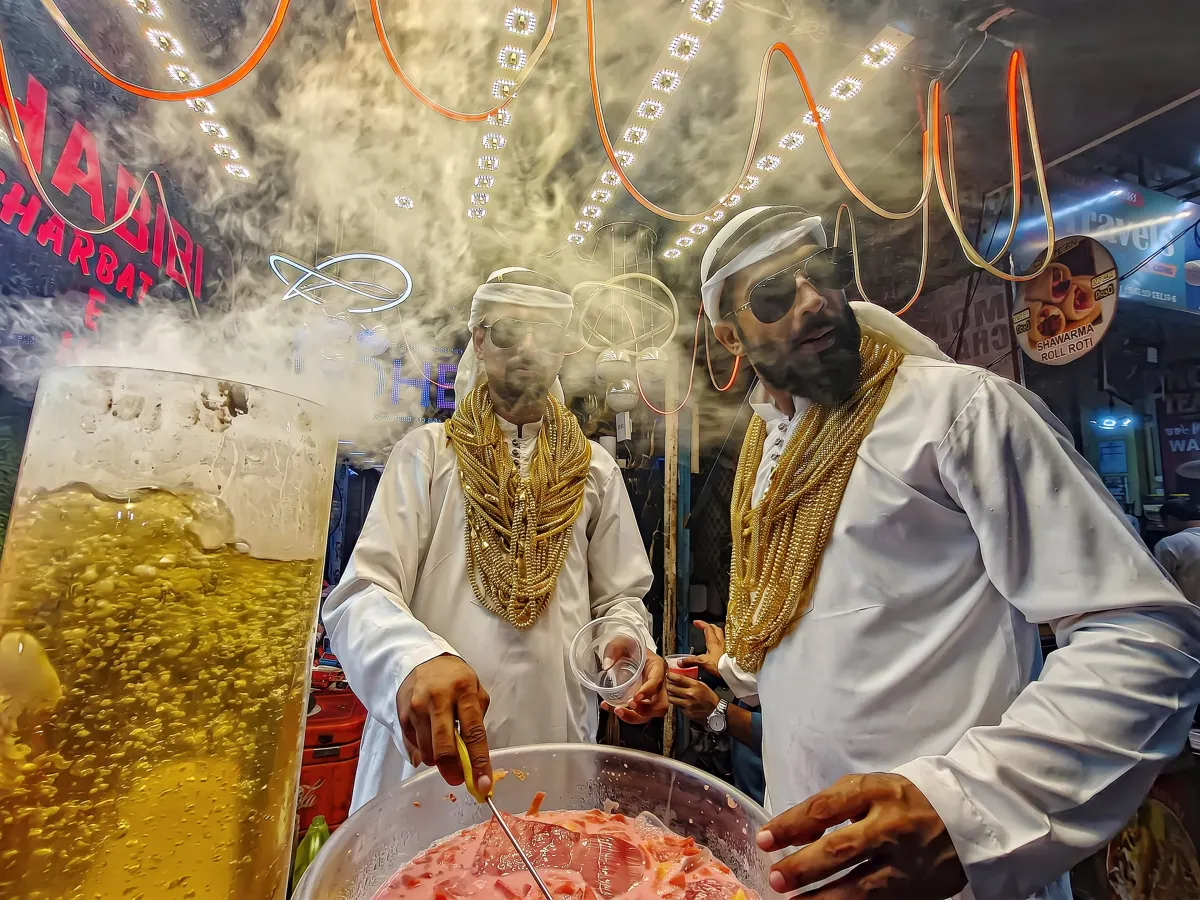
Indian food in India is nothing like the curry-house menu at home. Every region has its own cooking, and many states several, from the rich meat dishes of the north to the coconut and rice of Kerala. Half of the fun of travelling in India is eating it, often for very little money.
The north
- Punjab and Delhi: tandoori cooking, butter chicken, dal makhani, naan, paratha and lassi. See butter chicken and Punjabi food in Delhi, and Amritsari kulcha.
- Old Delhi: Mughal kebabs, nihari, parathas and sweets, around Chandni Chowk and the Jama Masjid: Old Delhi street food.
- Lucknow: the Awadhi kebabs and biryani of the old court: Lucknow kebabs.
- Rajasthan: dal baati churma, laal maas (fiery mutton) and gatte: Rajasthani thali.
- Kashmir and the Himalaya: rogan josh and the wazwan feast, and Tibetan momos and thukpa in the hills.
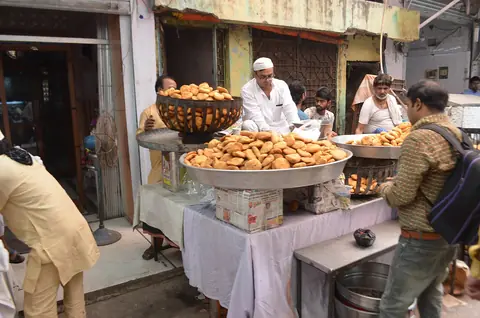
Old Delhi street food
The lanes of Old Delhi, around Chandni Chowk and the Jama Masjid, are one of the great street food areas of the world.
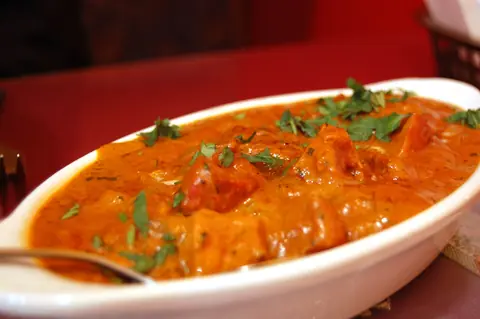
Butter chicken and Punjabi food in Delhi
Butter chicken, tender tandoori chicken in a rich, mildly spiced tomato and butter sauce, was created in Delhi after 1947 by Punjabi cooks who had co…
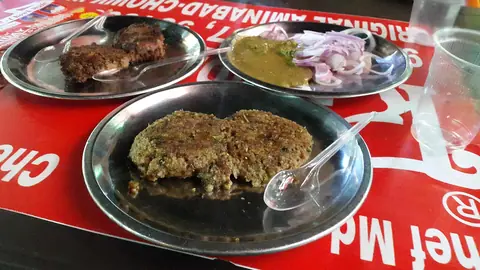
Lucknow kebabs and Awadhi biryani
Lucknow, once the court of the nawabs of Awadh, is famous for its refined cooking.
The south
- Breakfast and tiffin: idli, dosa, vada and sambar, with filter coffee: see Chennai, masala dosa in Bengaluru and Udupi vegetarian food.
- Kerala: fish in coconut and kokum, appam with stew, and the sadya, a vegetarian feast on a banana leaf. See also Kerala seafood.
- Tamil Nadu: the peppery Chettinad cooking.
- Hyderabad: biryani and haleem.
- Goa: Portuguese-influenced fish curry, vindaloo and xacuti: Goan food.
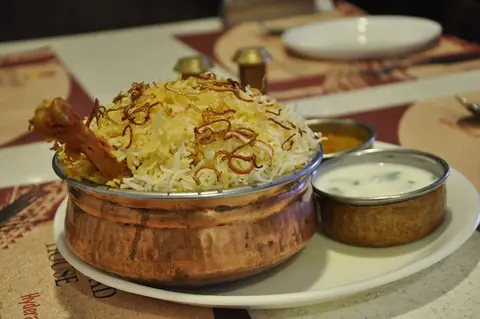
Hyderabadi biryani and haleem
Hyderabad's biryani, from the kitchens of the Nizams, is the most famous in India: long-grain basmati rice and marinated meat, usually mutton or chic…
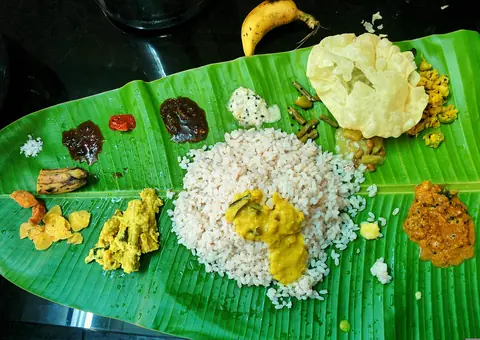
Kerala sadya
A traditional Kerala vegetarian feast served on a banana leaf, with more than 20 dishes arranged in a set order around a mound of rice: sambar, rasam…
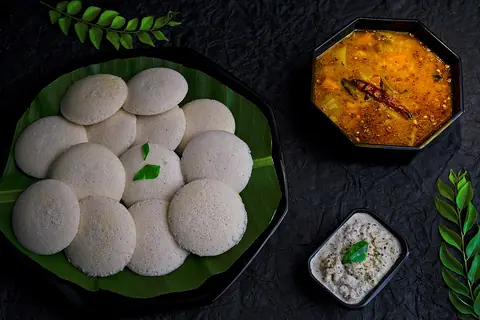
Idli, dosa and filter coffee in Chennai
South Indian breakfast is one of the best meals in India: soft steamed rice cakes (idli), crisp thin pancakes (dosa) and savoury doughnuts (vada), se…
The west and east
- Mumbai: vada pav and street food, and Irani cafés.
- Gujarat: sweet-and-savoury vegetarian thalis and farsan (snacks).
- Indore: the night food market at Sarafa Bazaar.
- Kolkata and Bengal: fish in mustard, kathi rolls and rosogolla and mishti doi.
- The northeast: smoked pork, bamboo shoots and fiery chillies: Naga food.
- Varanasi: kachori, lassi and paan.
Thalis
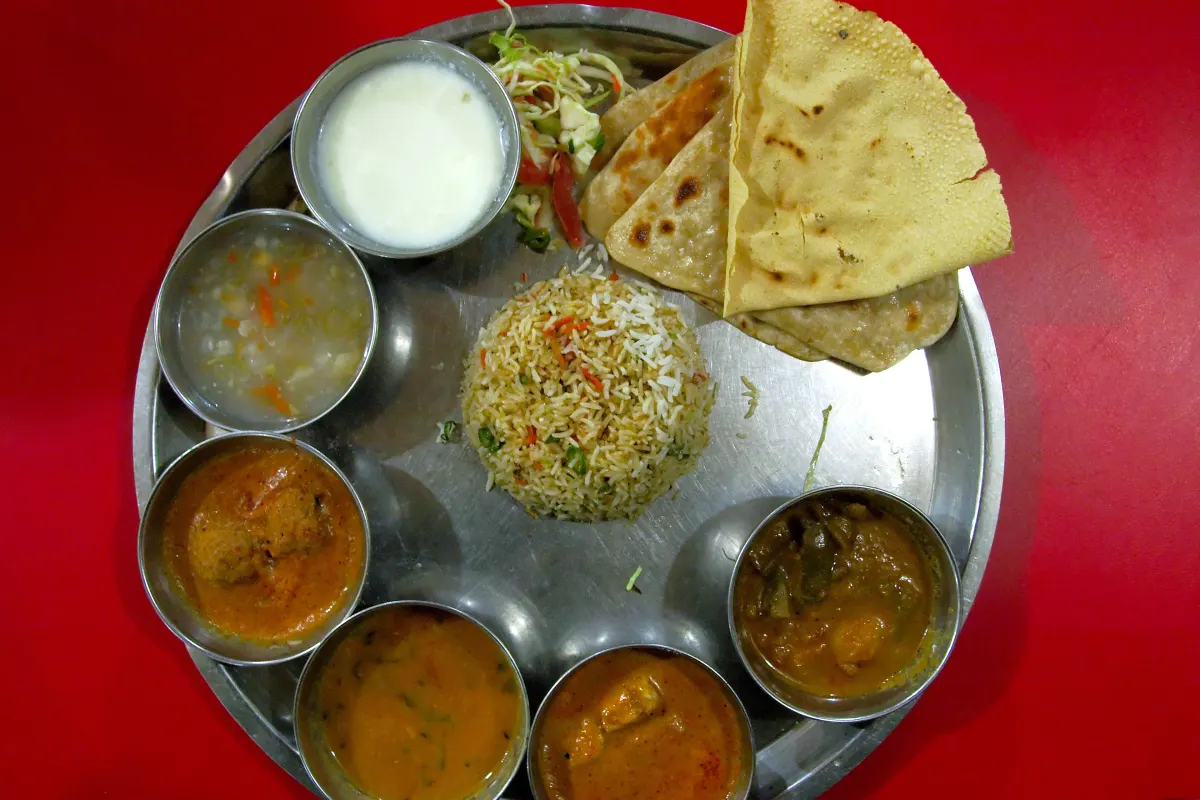
A thali is a set meal on a round metal tray, with rice or breads and several small bowls of dal, vegetables, curd, pickle and a sweet. In many places it's "unlimited": waiters keep coming round to refill, until you cover your plate with your hand. It's the cheapest way to try a region's food, and a south Indian "meals" served on a banana leaf works the same way. Eat with your right hand, tearing bread to scoop.
Street food
- India's street food is superb: chaat (tangy snacks with chutneys and yogurt), samosas, pakoras, pani puri, kathi rolls, dosas and jalebis.
- Choose busy stalls with a quick turnover, where food is cooked or fried fresh in front of you. Be more careful with things made with water, such as pani puri, until you're used to the food. See Staying healthy.
Vegetarian food
Something like a third of Indians are vegetarian, and India is the easiest country in the world to be vegetarian in. Restaurants are labelled "pure veg" (no meat, fish or usually eggs), and packaged food has a green dot for vegetarian and a brown one for non-vegetarian. Jain food has no onion, garlic or root vegetables. Vegans need to watch for ghee (clarified butter), paneer, curd and milk, which are in a lot of dishes.
Spice
Food in tourist restaurants is often toned down. If you like it hot, ask for it "Indian spicy"; if not, ask for "less spicy" or "no chilli". Curd, raita and lassi cool your mouth better than water.
Drinks
- Chai: sweet milky tea with spices, sold everywhere, often in small clay cups (kulhads) or glasses: masala chai. South India drinks filter coffee.
- Lassi (sweet or salted yogurt drinks), fresh lime soda, fresh juices, coconut water straight from the coconut, and buttermilk (chaas).
- Tea: India's tea gardens are worth visiting, in Darjeeling, Munnar and Assam.
- Alcohol: beer (Kingfisher is everywhere), Indian rum and whisky, a growing number of craft breweries and wineries, and in Goa, feni. Some states are dry: see Etiquette.
- Don't drink tap water. See Staying healthy.
Eating out
- A "hotel" in India can be a restaurant, and a "mess" is a simple canteen. "Dhabas" are roadside eateries, popular with truck drivers, and often very good.
- Lunch is the main meal in much of India, and dinner is late, from 8pm or later.
- Mangoes in season (April to June) are a highlight: Alphonso mangoes.
See also: Culture and etiquette and Money.
Comments
No comments yet.