
Weather and when to go to India: the monsoon, the hills in summer, festivals and Ladakh's short season
India is so big that it's always the right season somewhere. For most of the country, the best time is the cool, dry winter, from about October to March, which is also the busiest time. The hot season and the monsoon are the time for the mountains, and Ladakh has a short summer season of its own.
The seasons
- Winter (October to March): sunny and dry across most of India. Delhi, Agra, Rajasthan and Varanasi are pleasant by day, but cold at night in December and January, with fog that delays trains and flights, and bad air pollution: see Staying healthy. The south (Kerala, Tamil Nadu, Goa) is warm and at its best. Book ahead for Christmas, New Year and the Diwali holidays.
- The hot season (April to June): the plains of the north and centre are very hot, often over 40°C. It's the season for the hill stations, such as Shimla, Manali, McLeod Ganj, Darjeeling, Munnar and Ooty, which fill up with Indian families escaping the heat, and for the Himalaya. It's also mango season.
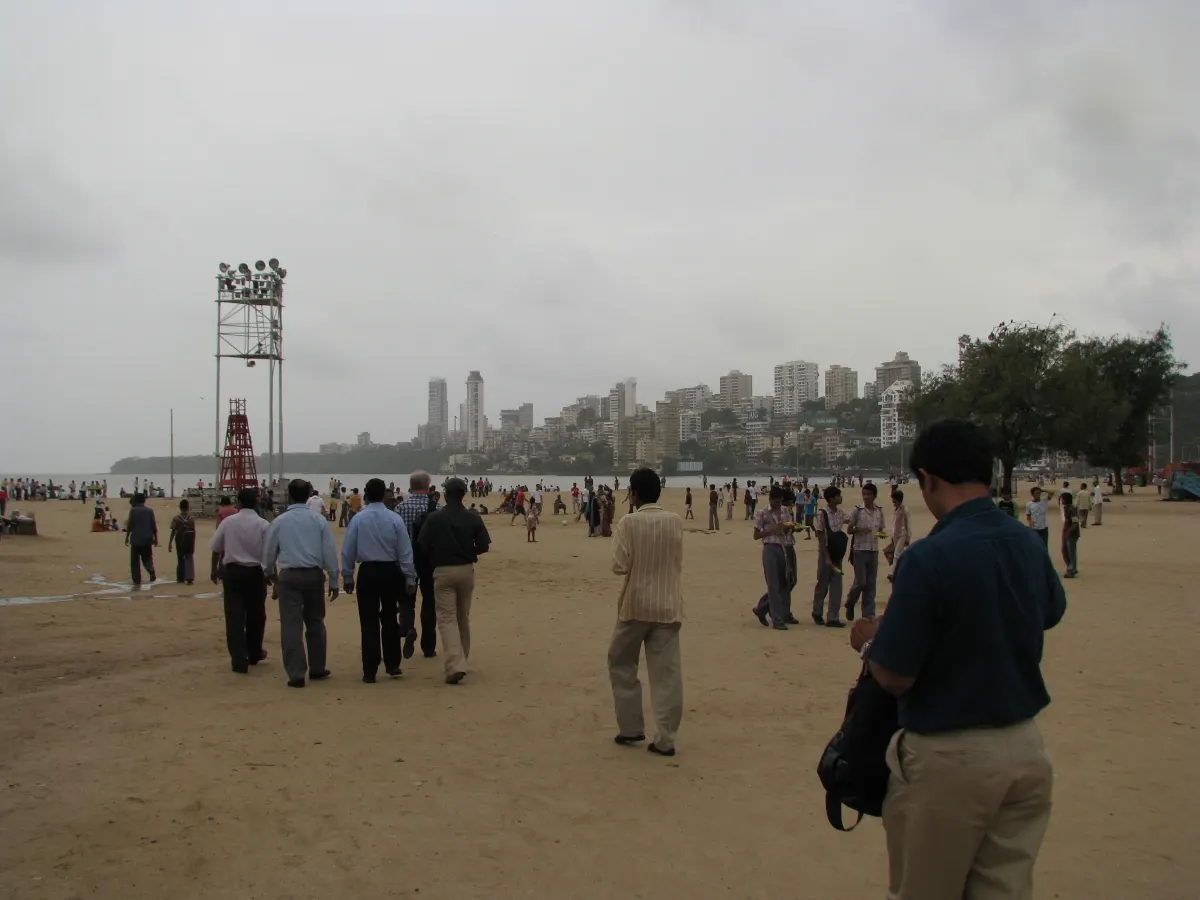
- The monsoon (June to September): the southwest monsoon reaches Kerala around the start of June and covers most of India by July, with heavy rain, usually in downpours rather than all day. It's green and quieter, with lower prices, and great for Kerala's Ayurveda, but there's flooding and landslides, especially in the Himalaya and the west coast, and many national parks close. Mumbai and the west coast get the heaviest rain.
- After the monsoon (October and November): clear skies and green countryside, but the southeast coast (Chennai and Puducherry) gets its main rains from October to December, with cyclones possible on the east coast.
When to go where
- Delhi, Agra and Rajasthan: October to March. February and March are warm without the worst of the fog and smog.
- Goa and the beaches: November to March. Most beach shacks close in the monsoon, from about June to September.
- Kerala: October to March for the beaches and backwaters; the hills, such as Munnar, are good most of the year except the heavy monsoon.
- The Himalaya (Himachal, Uttarakhand, Sikkim, Darjeeling): April to June and September to November, with the clearest mountain views in October and November. The Valley of Flowers is at its best in July and August.
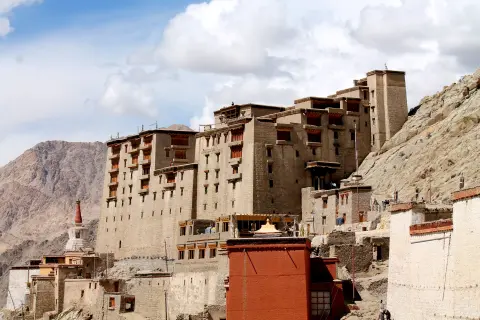
- Ladakh and Spiti: about June to September. These high deserts are in the rain shadow, so they're dry in the monsoon. The roads from Manali and Srinagar usually open some time in May or June and close with the snow in October or November; flights to Leh run all year, but winter is very cold. See A week in Ladakh.
- National parks and tigers: most parks in central India close for the monsoon, from about July to September. The best tiger sightings are from March to May, when the animals come to water: see Ranthambore and Bandhavgarh.
- The northeast: October to April. Meghalaya is one of the wettest places on earth in the monsoon.
Festivals
India's festivals follow the Hindu, Islamic and other lunar calendars, so the dates change each year. Check before you go, and book early: trains and hotels fill up.
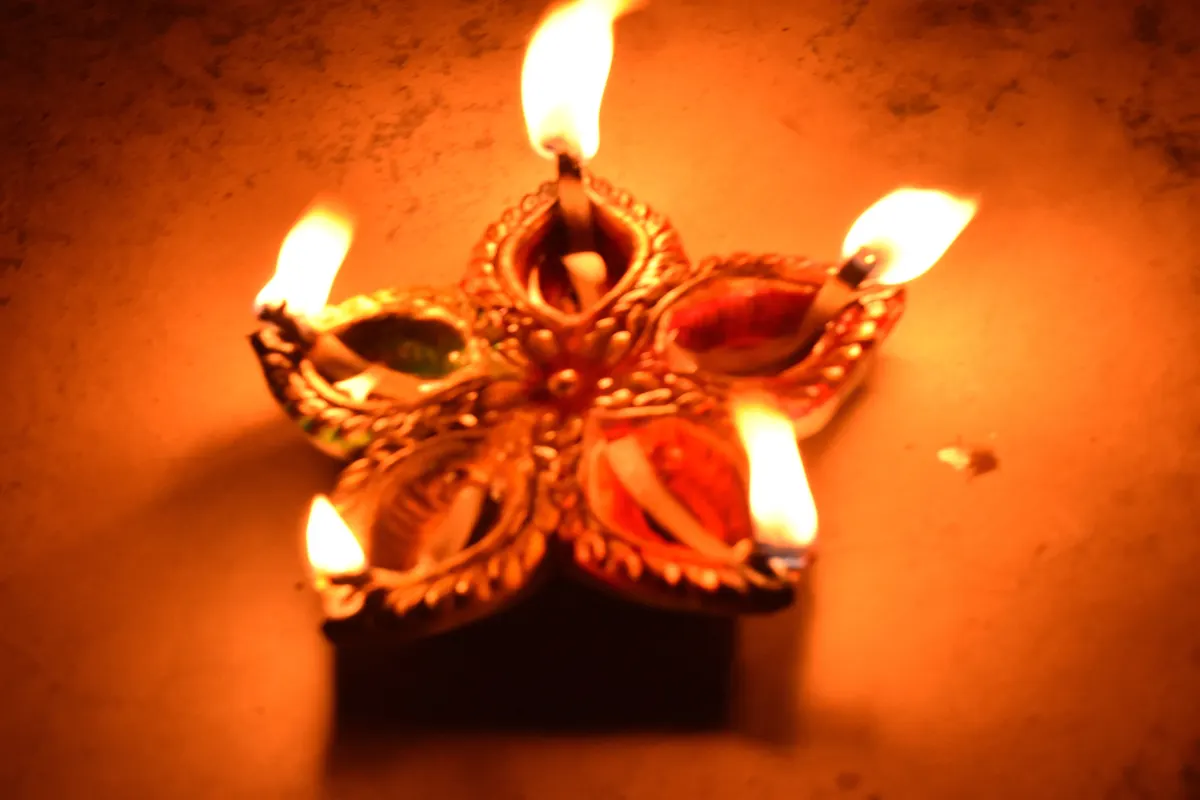
- Diwali (October or November): the festival of lights, with oil lamps, candles and lights on every house, sweets, family gatherings and a lot of fireworks. It's a national holiday, and Indians travel home for it, so transport is full.
- Holi (March): the festival of colours, when people throw coloured powder and water at everyone in the street. It's joyful, but rowdy, and women should go with friends or join a hotel's party. Wear old clothes, and protect your phone and eyes. Mathura and Vrindavan celebrate for days.
- Durga Puja (September or October): Kolkata's biggest festival, with huge, elaborate pandals (temporary shrines).
- Dussehra and Navratri (September or October): nine nights of dancing in Gujarat, and the end of the festival in Mysuru with a parade.
- Onam (August or September): Kerala's harvest festival, with boat races and feasts.
- Pushkar Camel Fair (October or November): at Pushkar.
- The Hornbill Festival (1 to 10 December), in Nagaland: see Naga food. Foreigners need a permit for Nagaland: see Arriving in India.
- Hemis Festival (June or July): masked dances at Hemis monastery in Ladakh.
- Christmas and New Year in Goa.
- Eid and Ramadan move through the year: in Ramadan, Muslim areas come alive after dark, with food stalls in Old Delhi, Hyderabad and Lucknow.
What to pack
- Light, loose cotton clothes that cover your shoulders and knees, a scarf or shawl, and sandals that slip off easily for temples.
- A warm jacket and layers for winter nights in the north, the desert and the hills, and for air-conditioned trains.
- A rain jacket or umbrella in the monsoon; sunglasses, a hat and sunscreen all year.
- Mosquito repellent, a mask for the smog, hand gel and tissues.
See also: Staying healthy and 7 days in the Golden Triangle.
Comments
No comments yet.