
Health in Thailand: insurance, hospitals, mosquitoes, heat and motorbikes
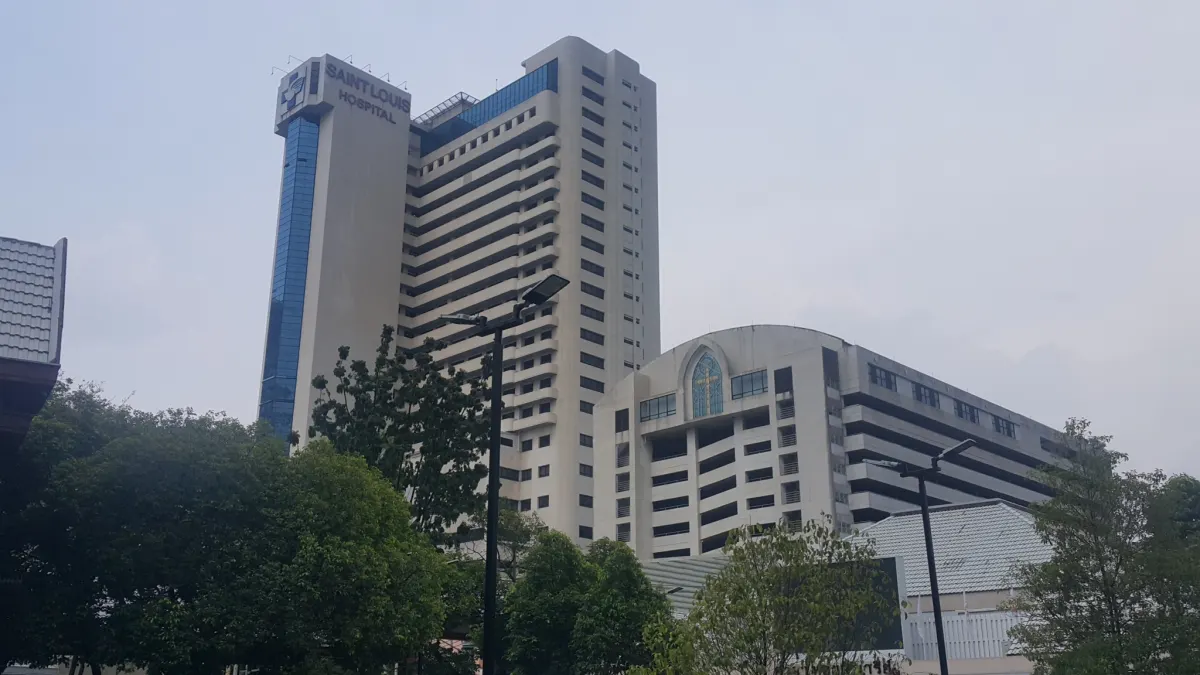
Thailand is a healthy country to travel in, with good hospitals in the cities and pharmacies everywhere. The things that actually put visitors in hospital are motorbike crashes, the heat, mosquito-borne fevers, dog and monkey bites, and drowning, much more than anything exotic.
Travel insurance
- Get travel insurance before you go, with good medical cover and medical evacuation. Private hospital bills in Thailand can be very large, and a serious injury can cost tens of thousands of dollars.
- Check the policy covers everything you plan to do: riding a scooter (most policies require a licence for it, an International Driving Permit and a helmet), diving, trekking and other adventure activities.
- Most policies won't pay if you were drunk or on drugs.
- Keep the insurer's emergency number on your phone, and call them as soon as you're admitted to hospital.
Hospitals and pharmacies
- Private hospitals in Bangkok, Chiang Mai, Phuket, Pattaya and Ko Samui are excellent, with English-speaking staff, but expensive. They usually want a credit card, a deposit or a guarantee from your insurer before treating you for anything other than an emergency.
- Public hospitals are cheaper and good for serious emergencies, but busier, with fewer English speakers.
- On the small islands, medical care is basic, and serious cases are taken to the mainland by boat.
- Pharmacies are everywhere, and pharmacists often speak some English and can help with minor problems. Many medicines are sold without a prescription, but check what you're given.
- Bring enough of your own medicines, with a copy of the prescription. Some medicines, including strong painkillers, ADHD medicines and some sleeping pills, are controlled in Thailand: see Arriving in Thailand.
- Call 1669 for an ambulance. In the tourist areas, it's often quicker to take a taxi to a private hospital.
Vaccinations
See a travel nurse or doctor about six weeks before you go. Make sure your routine vaccinations are up to date; hepatitis A and tetanus are usually recommended, and others, such as hepatitis B, rabies and Japanese encephalitis, may be advised depending on how long you're staying and what you're doing. If you're coming from a country with yellow fever, you need a yellow fever certificate. The NHS's fitfortravel and the US CDC have the current advice.
Mosquitoes and dengue
- Dengue fever is common throughout Thailand, including in Bangkok and the islands, and especially in the rainy season. It's spread by mosquitoes that bite during the day, and there's no medicine to prevent it. It causes a high fever, a bad headache and pains in the muscles and joints. See a doctor if you get a fever, and don't take ibuprofen or aspirin until dengue is ruled out.
- Avoid bites: use a repellent with DEET, picaridin or similar on your skin, day and evening; wear long sleeves and trousers at dusk; and sleep with air conditioning, screens or a net.
- Malaria is rare in the tourist areas, and found mainly in forests near the borders with Myanmar and Cambodia. Most visitors don't need tablets: ask your travel clinic.
- Zika and chikungunya are also spread by mosquitoes in Thailand. If you're pregnant or planning to be, ask your doctor before you go.
Rabies and animal bites
Rabies is found in Thailand, in dogs, cats, monkeys and other mammals, and it's almost always fatal once symptoms start. Stray dogs are common, especially in temples and on beaches. Don't touch or feed animals, including the monkeys at temples and beaches. If you're bitten, scratched or licked on broken skin, wash the wound with soap and water for 15 minutes and get to a hospital the same day for injections, even if you were vaccinated before you went.
Heat and sun
- Heat exhaustion is common, especially from March to May. Drink plenty of water, add oral rehydration salts (sold in pharmacies and 7-Eleven) if you're sweating a lot, rest in the shade in the middle of the day, and plan sightseeing for the morning.
- The sun is strong, even on cloudy days. Use high-factor sunscreen, a hat and sunglasses, and cover up on boats, where the sun reflects off the water.
Food and water
Upset stomachs are common but usually short. Drink bottled or filtered water, choose busy food stalls with freshly cooked food, and wash your hands or use hand gel before eating. See Thai food and drink. See a doctor if you have a high fever, blood in your stools, or diarrhoea that lasts more than a few days.
Motorbikes and roads
Road accidents are the biggest risk to visitors in Thailand, and most involve motorbikes. Wear a helmet, don't ride if you haven't ridden a motorbike before, don't ride after drinking, and make sure your licence and insurance cover you. Take care crossing roads too: traffic doesn't always stop at pedestrian crossings, and motorbikes ride on pavements and the wrong way down streets. See Scams and staying safe.
Water safety
- Swimmers drown in Thailand every year, many of them in rip currents on the Andaman coast in the monsoon. Swim where others are swimming, obey the red flags, and don't swim after drinking.
- Box jellyfish stings can be dangerous: pour vinegar on the sting and get help. See Islands and ferries.
- Dive only with a recognised dive school, and don't fly within 24 hours of diving.
Air pollution
In the north from about February to April, and in Bangkok on some days in the cool season, air pollution can be very bad. See Weather and when to go.
Comments
No comments yet.