
Thai laws visitors trip over: the monarchy, vapes, cannabis, alcohol, drugs and drones
Thailand feels relaxed, but some of its laws are much stricter than visitors expect, and a few things that are legal or tolerated at home can lead to a big fine, prison or deportation here. These are the ones that catch people out. Laws change, so check your government's travel advice before you go.
The monarchy: lèse-majesté
Thailand's King and royal family are deeply respected, and it's a serious crime, under Section 112 of the Criminal Code, to defame, insult or threaten the King, the Queen, the heir or the regent. Each offence carries a prison sentence of three to fifteen years, and the law is enforced against foreigners as well as Thais.
- It covers what you say, write and share online, including jokes, comments and "likes" on social media, and things posted from outside Thailand.
- Don't damage or deface pictures of the King. His image is on every banknote and coin, so don't step on money, even to stop it blowing away.
- Stand for the royal anthem: see Temple and cultural etiquette.
E-cigarettes and vapes are banned
It's illegal to bring e-cigarettes, vapes, heated tobacco devices and their liquids into Thailand, and to buy, sell or use them there. They're sold openly in some tourist areas, but that doesn't make them legal: police do fine and arrest tourists for vaping, and the fines can run to thousands of baht, with prison possible. Leave them at home.
Cannabis: medical use only
Thailand took cannabis off its list of narcotics in 2022, and thousands of cannabis shops opened. In June 2025 the government changed course: cannabis is now for medical use only. To buy it, you need a prescription from a licensed Thai doctor or practitioner, and shops can't sell it to anyone without one. Many shops are still open, but recreational use isn't allowed.
- Smoking cannabis in public can be treated as a nuisance and fined.
- A medical cannabis card or prescription from home isn't valid in Thailand.
- Don't take any cannabis, edibles or seeds out of Thailand: it's illegal to export, and many neighbouring countries, such as Singapore, Malaysia, Indonesia and Japan, have very harsh drug laws. Travellers have been arrested at home airports with cannabis bought in Thailand.
- The rules have changed several times since 2022 and may change again: check before you go.
Other drugs
The penalties for other drugs are severe: long prison sentences for possession, and up to life imprisonment or death for trafficking. Police search people at parties, including full moon parties, and can test your urine; a positive test can be treated as using drugs in Thailand. Never carry a bag or parcel for someone else.
Alcohol
- Sale hours: since 29 May 2026, shops, restaurants and bars can sell alcohol from 11:00 to midnight. The old ban on sales between 2pm and 5pm has ended, although you may still see old signs in shops. Hotels, licensed entertainment venues and international airports can have their own hours.
- You must be 20 to buy alcohol.
- Where you can't drink: in and around temples, government offices, petrol stations, public parks and on public transport.
- Dry days: alcohol isn't sold on the main Buddhist holy days, such as Makha Bucha, Visakha Bucha, Asahna Bucha and the start of Buddhist Lent, and around elections. Bars close and shops won't sell it.
- The drink-driving limit is lower than in many countries, and police set up checkpoints, especially at holidays.
Drones
You can't just unpack a drone and fly it. Every drone has to be registered with the Civil Aviation Authority of Thailand (on its UAS Portal) and the telecoms regulator, the NBTC, and from February 2026 you have to notify the authorities of each flight's area, date and time at least three days ahead. Flights are allowed only between 06:00 and 18:00 and up to 90 metres high, and they're banned within 9 km of the main airports, in parts of the border provinces and near many royal, military and government sites. National parks need permission too. The penalty is up to a year in prison or a 40,000 baht fine. See the government's guide for tourists.
Beaches and national parks
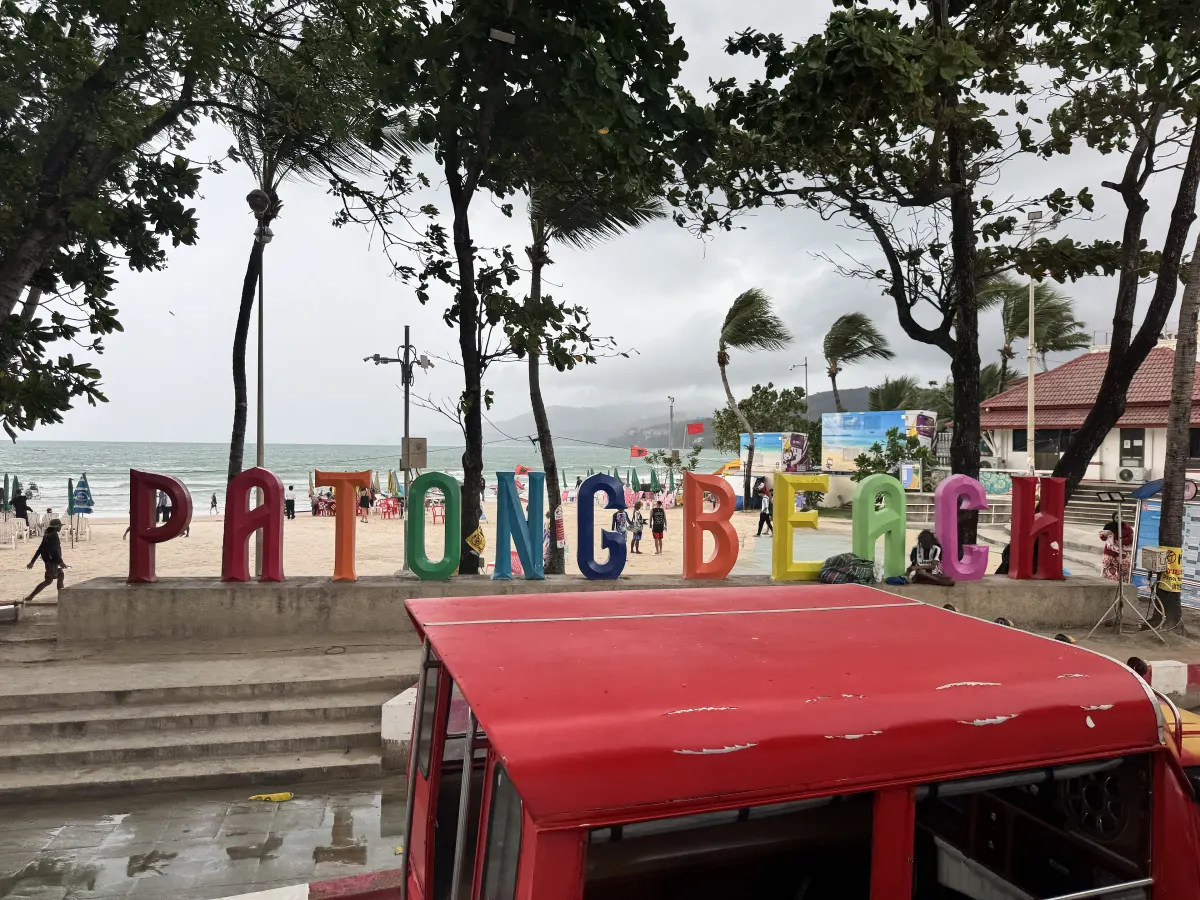
- Smoking is banned on many popular beaches, except in marked areas, with large fines, and so is dropping cigarette ends.
- In national parks, including the marine parks, it's illegal to take or damage coral, shells and plants, to feed wildlife, or to leave rubbish. Rangers fine people, and some parks charge foreigners a higher entry fee than Thais.
Other things to know
- Your passport: foreigners are expected to carry their passport, and police can ask to see it. Many people carry a photocopy and keep the passport in the hotel safe; carry the real thing when you're travelling between towns.
- Overstaying your visa or visa exemption is fined for each day. Long overstays lead to detention, deportation and a ban on returning. See Arriving in Thailand.
- Buddha images: it's illegal to take Buddha images and antiques out of Thailand without permission from the Fine Arts Department, except small ones for worship. Shops selling them can arrange it. Tattoos of the Buddha and using Buddha images as decoration can cause offence.
- Gambling is illegal, apart from the national lottery and horse racing.
- Defamation: criticising a business or person, even in an online review, can lead to a criminal defamation complaint. Stick to facts.
- Working, even unpaid volunteering, usually needs a work permit.
- Driving: you need an International Driving Permit for the kind of vehicle you drive, and a helmet on a motorbike. See Scams and staying safe.
If you're arrested, ask to contact your embassy. Don't sign anything written in Thai that you don't understand.
Comments
No comments yet.